Factory Built Pod Housing That Scales Fast
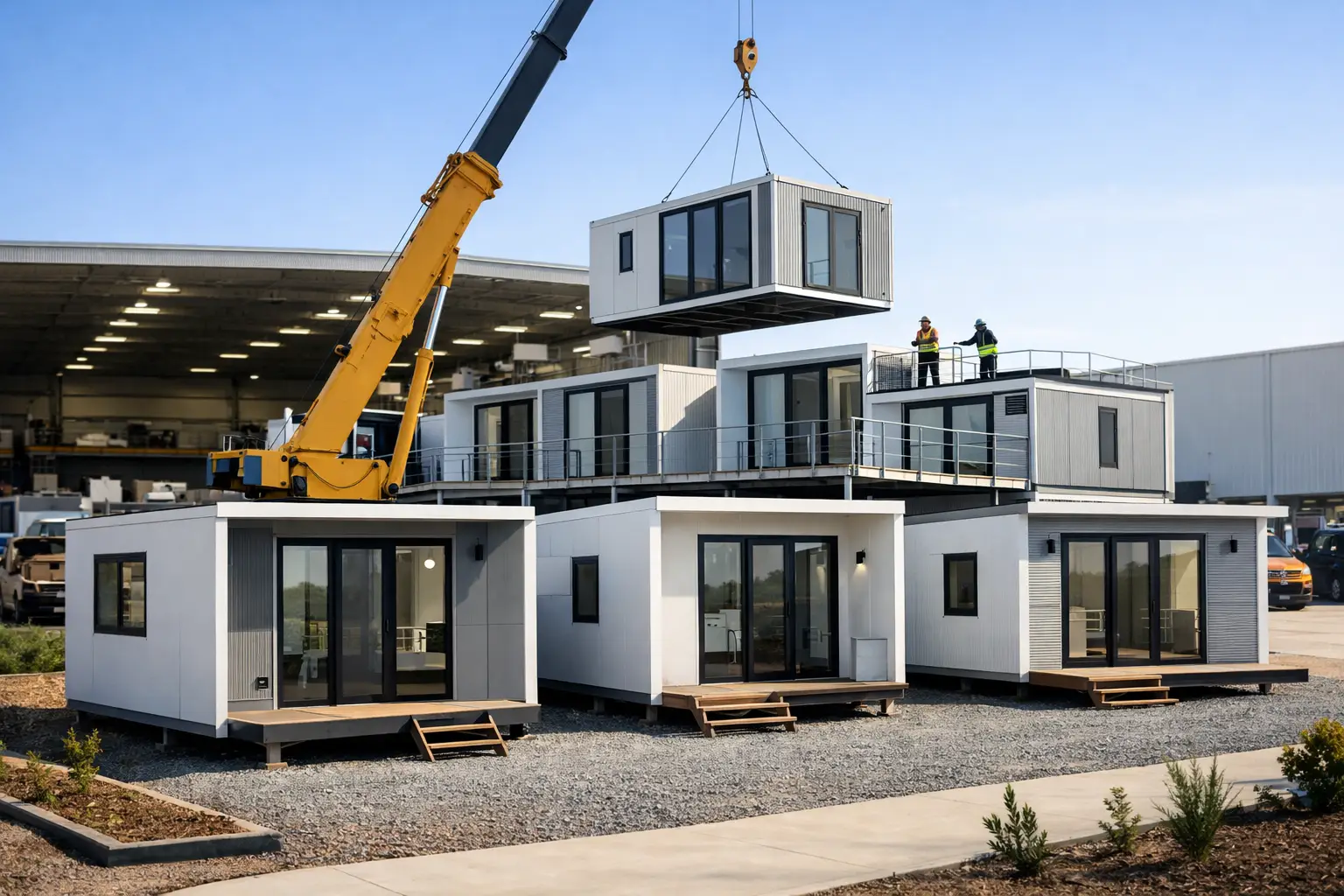
A resort operator does not make money from blueprints. A developer does not win market share by waiting on slow site builds. That is exactly why factory built pod housing has moved from niche curiosity to serious real estate strategy. For buyers who need speed, visual impact, and flexible deployment, pod-based modular units offer a sharper path from concept to occupancy.
What makes this category compelling is not just that it is prefabricated. It is that the product is engineered around modern demand: compact footprints, premium finishes, efficient manufacturing, and fast installation across residential, tourism, and hospitality settings. In practical terms, that means a buyer can add inventory, create a distinctive guest experience, or launch a small-footprint living solution without being trapped by the long timelines and fragmented coordination of conventional construction.
Why factory built pod housing is gaining momentum
The market has changed. Travelers want memorable stays, landowners want assets that can generate revenue sooner, and developers want building methods that reduce delay, waste, and uncertainty. Factory built pod housing sits at the center of those priorities because it compresses production into a controlled environment while still allowing a design-forward result.
That factory setting matters. Weather delays are reduced. Quality control becomes more consistent. Production can be repeated across multiple units with a much higher level of precision than many site-built projects can achieve. For commercial buyers, this is not a minor operational benefit. It directly affects launch timelines, labor planning, and return on investment.
There is also a branding advantage. Pod housing is visually distinct. It photographs well, stands out in competitive hospitality markets, and helps projects feel contemporary rather than generic. In tourism and scenic lodging, that difference can influence booking demand just as much as location.
More than tiny homes
It is easy to mistake pod housing for a simple tiny home trend. That misses the larger opportunity. These units are increasingly used as hospitality suites, glamping accommodations, private retreats, backyard studios, workforce housing, vacation rentals, and accessory living spaces. Their value comes from versatility.
For a resort or campground owner, a pod can become premium lodging inventory with a smaller construction footprint and a faster route to opening. For a private buyer, it can serve as a second home, guest house, or off-grid escape with a clean modern look. For developers testing a new market, it can provide a way to deploy a smaller number of units first, validate demand, and expand in phases.
That phased growth model is one of the strongest commercial arguments in favor of pod-based construction. Instead of committing to a slower, all-at-once buildout, investors can add units in stages. That creates more flexibility around capital planning and occupancy ramp-up.
What buyers are really paying for
The appeal of factory built pod housing is not only cost. In fact, buyers who focus only on the lowest upfront number often compare the wrong things. The real value is a mix of speed, consistency, design efficiency, and income potential.
A factory-built pod can arrive with integrated systems, finished interiors, and a level of completion that dramatically reduces on-site coordination. That shortens the gap between purchase and use. If the unit is intended for short-term rental or hospitality use, time saved can translate directly into earlier revenue.
There is also the benefit of predictability. Traditional construction often expands in scope as site conditions, labor shortages, or supply issues create new complications. Pod manufacturing moves more of the process upstream into a controlled production schedule. It does not remove every variable, but it can reduce the number of surprises that damage budgets and timelines.
The design factor matters
Not all modular products create the same market response. Pod housing has gained traction partly because it breaks away from the boxy, temporary feel many buyers still associate with prefabrication. Better models combine compact planning with panoramic glazing, smart lighting, integrated bathrooms, efficient storage, and premium exterior finishes.
This matters commercially because design influences perceived value. A guest is more likely to pay a premium for a unit that feels immersive, private, and visually memorable. A homeowner is more likely to see long-term lifestyle value in a compact space that feels intentional rather than compromised.
For that reason, customization is not a cosmetic extra. It is a strategic feature. Layout choices, material upgrades, facade options, and utility configurations all affect how the final unit performs in its specific environment and market segment.
Where pod housing performs best
Factory built pod housing is especially effective where fast deployment and guest appeal matter at the same time. Eco-resorts, scenic camps, vineyard stays, lakeside lodging, desert retreats, and mountain hospitality projects are natural fits. The units can add a premium, private accommodation layer without requiring the same site-built complexity as conventional cabins or villas.
There is strong logic in residential use as well. Buyers looking for backyard living units, compact second homes, or independent spaces for guests and family members often prefer pods because they combine a smaller footprint with a much more elevated look than many basic prefab alternatives.
Still, the best use case depends on local regulations, site access, utility conditions, and expected occupancy patterns. A pod that performs beautifully as a luxury short-term rental may need a different interior layout than one intended for full-time use. The structure is adaptable, but the application should be planned with purpose.
Trade-offs smart buyers should consider
A strong product category still comes with decisions. Pod housing is efficient, but it is not one-size-fits-all. Size constraints require disciplined design. Buyers who expect large multi-room layouts may find that pod formats work better as premium compact units than as substitutes for conventional family homes.
Transportation and site placement also matter. A beautifully manufactured unit still needs practical delivery access and proper installation planning. In remote or difficult terrain, logistics can influence total project cost more than buyers initially expect.
Then there is permitting. Prefabrication can speed production, but local approval timelines may still shape the overall schedule. Serious buyers treat factory production and site compliance as parallel workstreams, not separate afterthoughts.
These trade-offs do not weaken the case for factory built pod housing. They simply reinforce the importance of choosing a manufacturer that understands customization, documentation, and project support, not just fabrication.
What separates a strong manufacturing partner
In this market, the product and the manufacturer are inseparable. Buyers are not only purchasing a physical unit. They are buying production reliability, engineering discipline, finish quality, and the ability to execute at scale.
That is why manufacturing capacity matters. So does export experience, customization capability, and the ability to support both one-unit buyers and larger commercial developments. A serious partner should be able to adapt designs to project goals, maintain consistent build quality, and coordinate the practical realities of shipping and deployment.
For global buyers and project operators, this is where companies like Vellinor stand out. The value is not limited to attractive capsule homes. It includes industrial production strength, customization pathways, and the ability to support projects built around speed, distinctive design, and scalable revenue generation.
A smarter way to add living and lodging inventory
The most forward-looking real estate strategies are not defined by size alone. They are defined by adaptability, speed, and market fit. Factory built pod housing answers all three. It gives developers a way to expand inventory without stretching timelines unnecessarily. It gives hospitality operators a way to create memorable accommodations that photograph well and monetize quickly. It gives individual buyers access to modern compact living that feels premium rather than improvised.
The real shift is this: pod housing is no longer an alternative for people willing to compromise. It is increasingly the preferred format for buyers who want to move faster, build smarter, and offer a more distinctive living experience. If your next project depends on flexibility, visual impact, and time-to-market, the better question is not whether this category is viable. It is how quickly you can put the right units to work.









Leave a comment