Home Electronics That Elevate Daily Living
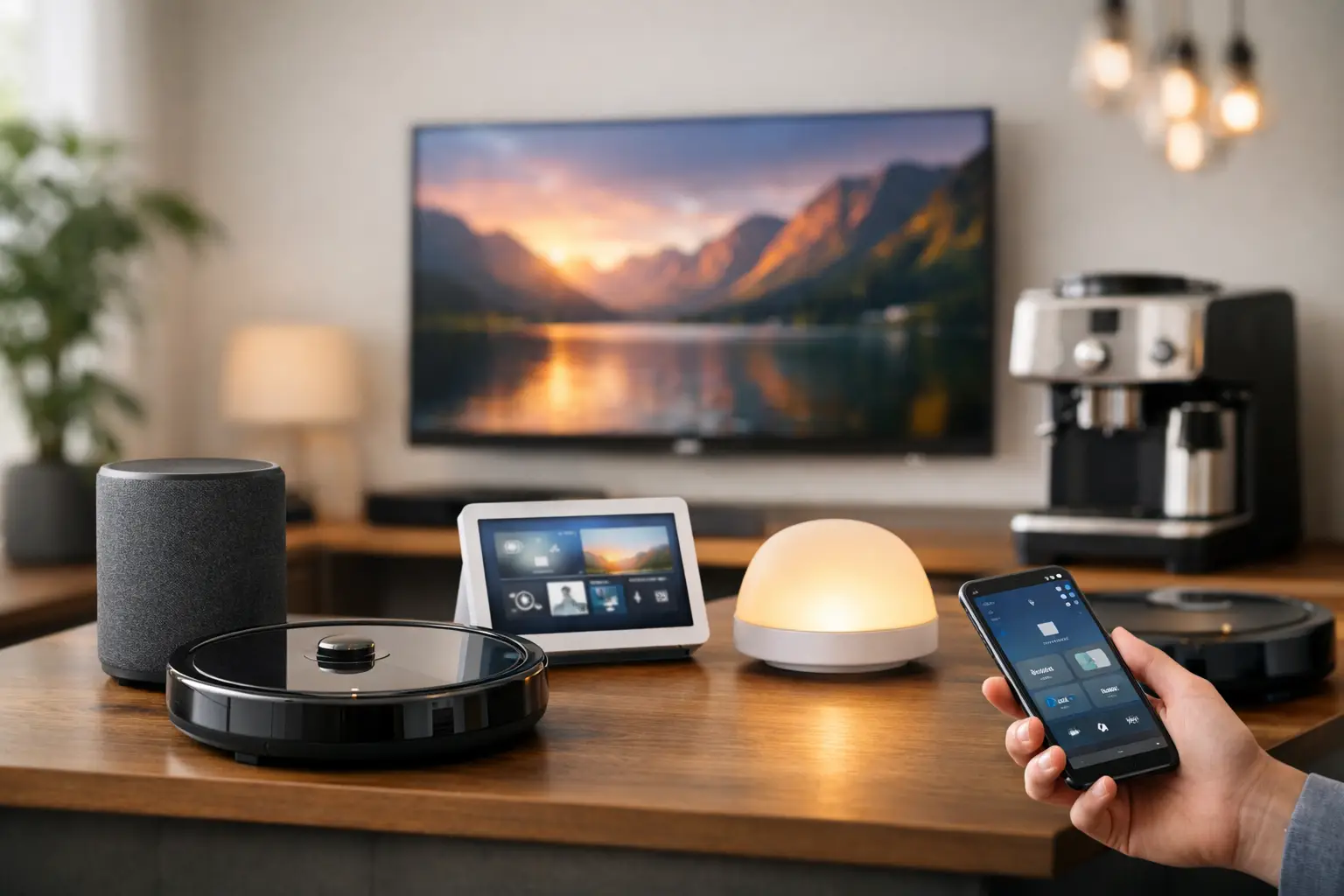
A cluttered countertop, weak audio, harsh lighting, and tangled cords can make even a beautiful room feel unfinished. The right home electronics change that quickly. They do more than add features – they shape how your home feels, functions, and supports everyday life.
For many shoppers, the challenge is not finding options. It is sorting through too many of them. Screens promise smart living, speakers claim studio-quality sound, and small appliances arrive with long feature lists that sound impressive but do not always improve the experience at home. A more refined approach starts with one question: which pieces actually make your space more comfortable, more efficient, and more visually considered?
What to look for in home electronics
Premium home electronics should earn their place in a room. That means performance matters, but so do materials, scale, finish, and how naturally a product fits into your routine. A sleek air purifier that runs quietly and complements your decor often delivers more lasting value than a bulky unit with extra settings you rarely use.
Ease of use is another dividing line. Good design is not only about appearance. Controls should feel intuitive, apps should be straightforward, and setup should not require a full afternoon. When technology feels effortless, it becomes part of the home rather than a constant reminder that you bought another gadget.
There is also the question of longevity. Some categories move quickly, and not every item needs to be a long-term investment. But in high-use areas like entertainment, lighting, cleaning, and kitchen support, quality craftsmanship usually pays off. Better materials, quieter operation, and more reliable performance tend to be noticeable within the first few weeks.
The rooms where electronics matter most
Not every upgrade delivers the same return. In most homes, a handful of spaces have the biggest impact on comfort and convenience.
Living room upgrades
The living room is where home electronics are easiest to appreciate and hardest to choose well. Televisions, speakers, media devices, and ambient lighting all compete for attention. The smartest approach is to think in layers. A crisp display matters, but so does sound that fills the room without overwhelming it. Soft lighting behind a screen or near shelving can reduce visual strain and make the space feel more polished.
This is also where aesthetics deserve more weight. A large glossy screen can dominate the room, so details like slim profiles, clean stands, and understated finishes matter. If your living room doubles as a hosting space, electronics should feel integrated rather than overly technical.
Kitchen support that feels worth it
Kitchens collect impulse buys faster than almost any room. That is why restraint helps. The best electronic additions in this space save time, improve consistency, or reduce daily friction. Think less about novelty and more about whether an item will truly be used several times a week.
A compact coffee system, a precise countertop appliance, or a well-designed display for recipes and timers can all elevate the rhythm of the room. The trade-off is counter space. If a product adds convenience but creates visual clutter, the upgrade may not feel premium for long.
Bedroom comfort and control
Bedrooms benefit from electronics that disappear into the background. Sound machines, air purifiers, sunrise alarms, and dimmable bedside lighting can materially improve rest without making the room feel busy. In this category, quiet performance is often the luxury feature that matters most.
Charging stations and integrated bedside power can also help maintain a cleaner look. The goal is a space that feels restorative, not highly wired. When selecting bedroom tech, less is often better.
Home office essentials
For people working remotely or splitting time between office and home, electronics shape both productivity and mood. Lighting that flatters video calls, audio that keeps meetings clear, and desk accessories that reduce cable chaos can make the workday feel more composed.
What matters here is balance. A high-performance setup should still suit the rest of the home, especially if the office sits in a shared room or visible corner. Clean silhouettes and smart organization keep function from overtaking style.
Smart features are useful – but only when they solve something
Smart home integration has moved from niche to expected in many categories, but more connectivity does not automatically mean better living. The best smart home electronics remove small annoyances. They help you adjust lighting without getting up, monitor air quality, manage energy use, or create routines that fit your schedule.
Still, there are trade-offs. Some app-connected products add extra steps where a simple button would have been faster. Others depend too heavily on ecosystems, subscriptions, or updates. Before choosing a smart version of any product, consider whether the intelligence adds genuine convenience or just another layer to manage.
For many households, a selective approach works best. A few well-chosen connected products can make the home feel current and efficient without turning every room into a control panel.
Design is not a bonus feature
One of the biggest shifts in premium home shopping is that electronics are no longer forgiven for looking purely functional. People want technology that complements furniture, lighting, and decor, especially in open-concept homes where everything is on display.
That does not mean every item needs to be hidden. It means shape, finish, and proportion should feel intentional. Matte surfaces, softer edges, neutral tones, and compact footprints often blend more naturally into elevated interiors than glossy, oversized hardware.
This is where curated shopping becomes valuable. A carefully selected assortment saves time and reduces the feeling of sifting through products designed for warehouse shelves rather than real homes. Vellenor reflects this mindset well, bringing together home electronics that support both performance and presentation.
How to shop for home electronics without overbuying
The easiest mistake is buying for a fantasy routine instead of your actual one. A device may be beautifully made and highly rated, but if it does not fit the way you live, it will not feel like a luxury for long.
Start with friction points. Maybe your mornings feel rushed, your living room lacks atmosphere, or your workspace still feels temporary. Home electronics are most satisfying when they answer an obvious need and improve a habit you already have.
It also helps to think in terms of categories rather than individual products. Entertainment, comfort, cleaning, and convenience are all broad enough to cover multiple options, but focused enough to guide a smarter purchase. If one category would noticeably improve daily life, start there rather than spreading your budget across several small upgrades.
Budget matters too, even in premium shopping. A higher price can reflect stronger materials, better engineering, or more thoughtful design, but not always. In some categories, paying more gets you quieter operation and a more refined finish. In others, it mostly buys extra features you may never touch. The better question is not whether something is expensive. It is whether the quality feels visible in daily use.
The categories worth watching
A few areas continue to stand out for shoppers who want comfort, style, and practical value at once. Air care products are becoming more design-conscious, making them easier to place in bedrooms and living spaces. Ambient lighting is growing more sophisticated, with compact forms that create mood without overwhelming a room. Audio is also evolving toward cleaner silhouettes and easier wireless use, which makes premium sound more approachable for design-focused homes.
Smaller convenience electronics are worth watching as well. Charging solutions, compact organizers with built-in power, and tech accessories that reduce clutter may not sound glamorous, but they can have an outsized effect on how calm and finished a space feels.
The common thread is simple: the best products do not ask you to reorganize your life around them. They fit naturally into it while making the experience feel smoother, quieter, and more considered.
A well-chosen electronic upgrade can make a home feel more current in a single afternoon, but the real value shows up later – in calmer mornings, cleaner spaces, better rest, and rooms that work as beautifully as they look. When quality meets thoughtful design, technology stops feeling like an add-on and starts feeling like part of a better way to live.











Leave a comment