Parenting & Child Development at Home
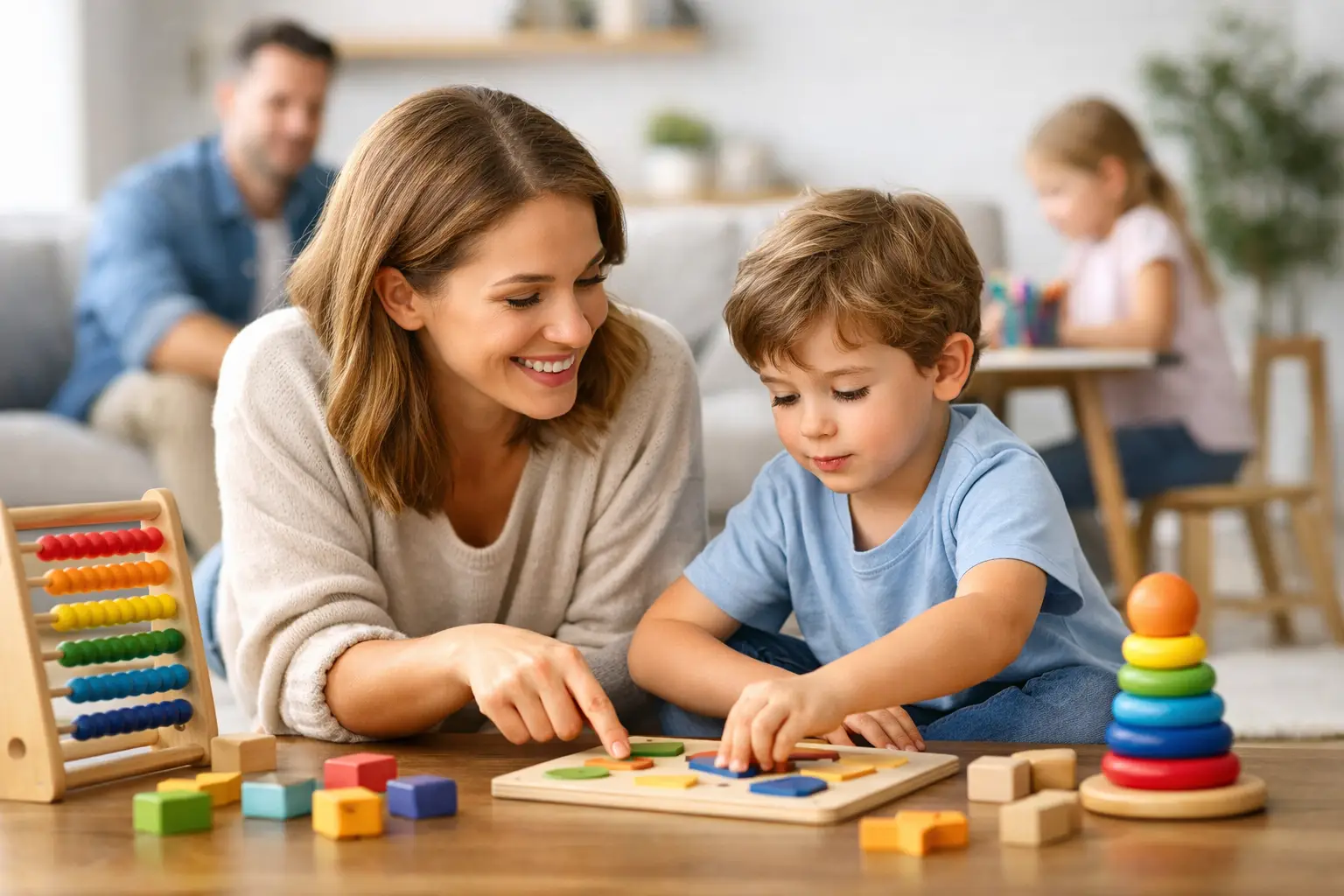
The moment a child melts down over the wrong cup, refuses to put on shoes, or asks the same question ten times in a row, parenting & child development stop feeling like abstract ideas and start looking very practical. What helps a child listen, adapt, and settle is rarely one perfect rule. More often, it is the quality of the environment, the consistency of daily rhythms, and the way adults respond when things get messy.
For families who care about a home that feels calm, organized, and thoughtfully designed, this matters more than it may seem at first glance. Children develop through everyday experiences. The room they wake up in, the pace of the morning, the way toys are stored, and the tone used at the dinner table all shape how they learn to regulate emotions, solve problems, and feel secure.
Why parenting & child development are closely connected
Child development is not a separate track that runs beside parenting. It happens through parenting. Language grows through conversation. Emotional control grows through co-regulation. Independence grows when children are given structure with enough room to try, fail, and try again.
That is why small household choices carry real weight. A predictable bedtime routine can support sleep and behavior. A child-sized shelf can encourage independence. A quieter, less cluttered play area can improve focus. None of these changes need to be extravagant, but they do need to be intentional.
There is also a useful balance to keep in mind. Children benefit from stimulation, but too much visual noise, too many options, or a schedule packed with constant activity can work against them. Premium living is not only about beautiful things. In a family home, it also means creating an atmosphere where quality supports ease, comfort, and growth.
The home environment and child development
Children are highly responsive to their surroundings. An environment that feels chaotic can lead to more friction, while one that is thoughtfully arranged can make daily routines smoother. This does not mean a family home must look untouched. It means key spaces should work well for the people using them.
In early childhood especially, design and function go hand in hand. A reading corner with soft lighting invites quiet time. Accessible storage helps children participate in cleanup instead of relying on constant reminders. Comfortable seating in shared spaces encourages conversation, and that conversation supports language development, emotional awareness, and attention.
Older children need this too, just in different forms. They may benefit from a homework area with fewer distractions, better lighting, and tools that make organization easier. When a space supports the task, children spend less energy resisting and more energy engaging.
Calm structure beats constant correction
Many parents fall into a cycle of reacting all day long. Sit down. Put that away. Stop yelling. Hurry up. The problem is not that correction is always wrong. The problem is that if the environment keeps creating the same struggle, correction becomes the family soundtrack.
A more refined approach is to reduce avoidable friction. If mornings are rushed, set out clothing the night before. If toys are everywhere, edit the volume and improve storage. If transitions trigger battles, use visual cues and repeatable routines. This is where parenting becomes more effective because the home is doing part of the work.
What children need most from parents
Trends come and go, but a few developmental needs stay remarkably consistent. Children need safety, connection, boundaries, and chances to practice independence. These are not competing priorities. The strongest parenting style usually blends warmth with clear expectations.
Connection matters because children regulate through relationships before they regulate on their own. A calm adult presence helps a child come back from overwhelm. Boundaries matter because predictability helps children feel secure. Independence matters because confidence is built through participation, not constant rescue.
The trade-off is real. Too much control can produce dependence or power struggles. Too little structure can create anxiety and inconsistency. The sweet spot depends on age, temperament, and context. A spirited preschooler may need fewer verbal warnings and more physical routine. A sensitive older child may need more preparation before transitions and fewer abrupt demands.
Parenting styles matter, but flexibility matters more
It is tempting to look for one best style of parenting, but family life rarely rewards rigidity. Children are individuals, and what works beautifully for one may backfire with another. The more useful question is whether a parent is both responsive and steady.
Responsive parenting notices what is behind behavior. Steady parenting still holds the line. If a child is overtired, the response may be more support and an earlier bedtime. If a child throws a toy in anger, the response may be empathy followed by a clear consequence. High-end parenting is not about perfection. It is about discernment.
Supporting child development through routines
Routines are one of the most underrated tools in parenting. They reduce negotiation, lower stress, and give children a sense of order. When a child knows what happens after bath time, after school, or before bed, they spend less energy resisting uncertainty.
This does not mean every hour must be managed. In fact, over-scheduling can crowd out rest, creativity, and family connection. The most effective routines are elegant in their simplicity. They cover the moments that tend to unravel and leave room for real life.
Morning and evening routines deserve special attention because they frame the day. A smooth morning often depends on decisions made the night before. A peaceful bedtime usually reflects a sequence that is calm, consistent, and not overloaded with stimulation. Even small rituals, like reading together in a comfortable chair or keeping devices out of the bedroom, can have an outsized effect.
Parenting & child development in the digital age
Modern parenting includes screens, smart devices, and constant input. Technology can be useful, educational, and even helpful for family logistics. But it also creates new pressure points around attention, sleep, behavior, and overstimulation.
The goal does not have to be all or nothing. Thoughtful limits usually work better than dramatic bans that are impossible to maintain. Children benefit when screens are used with intention rather than by default. That may mean device-free meals, charging stations outside bedrooms, or a stronger emphasis on tactile play, books, and outdoor time.
The key is not simply reducing screen time. It is protecting the conditions that development relies on: conversation, movement, sleep, boredom, and unhurried interaction. A beautifully run home in the digital age is one where technology serves the family instead of setting the emotional temperature.
Practical signs your approach is working
Healthy development is not measured by perfect behavior. It shows up in quieter, more meaningful ways. A child recovers from disappointment faster. They can follow familiar routines with less prompting. They begin to name feelings instead of acting every feeling out. They take small responsibilities seriously because the environment invites participation.
Parents often miss these signals because growth is gradual. There may still be tantrums, sibling conflict, and messy rooms. That does not mean the approach is failing. It may mean the child is developing exactly as expected, with all the unevenness that process involves.
If family life feels constantly strained, though, it may be worth simplifying. Reduce clutter. Tighten the routine. Improve sleep. Reconsider how many activities fill the week. Often the answer is not more intensity but more clarity.
A more intentional way to think about family life
The most compelling homes are not only stylish. They are supportive. They help everyone in them function better. When parenting is aligned with child development, the result is not a flawless household. It is a home that feels composed, nurturing, and easier to live in.
That is why thoughtful families increasingly look beyond discipline hacks and quick fixes. They pay attention to rhythms, spaces, and daily tools that make life more graceful. At Vellenor, that philosophy fits naturally with a broader vision of elevated living – one where quality, comfort, and intention shape not just how a home looks, but how a family grows within it.
Children do not need a perfect environment to thrive, but they do benefit from one that is calm enough, connected enough, and well-designed enough to support who they are becoming. Start there, and many of the hard moments begin to feel more manageable.










Leave a comment