How to Choose a Smart Home Hub for Your Home
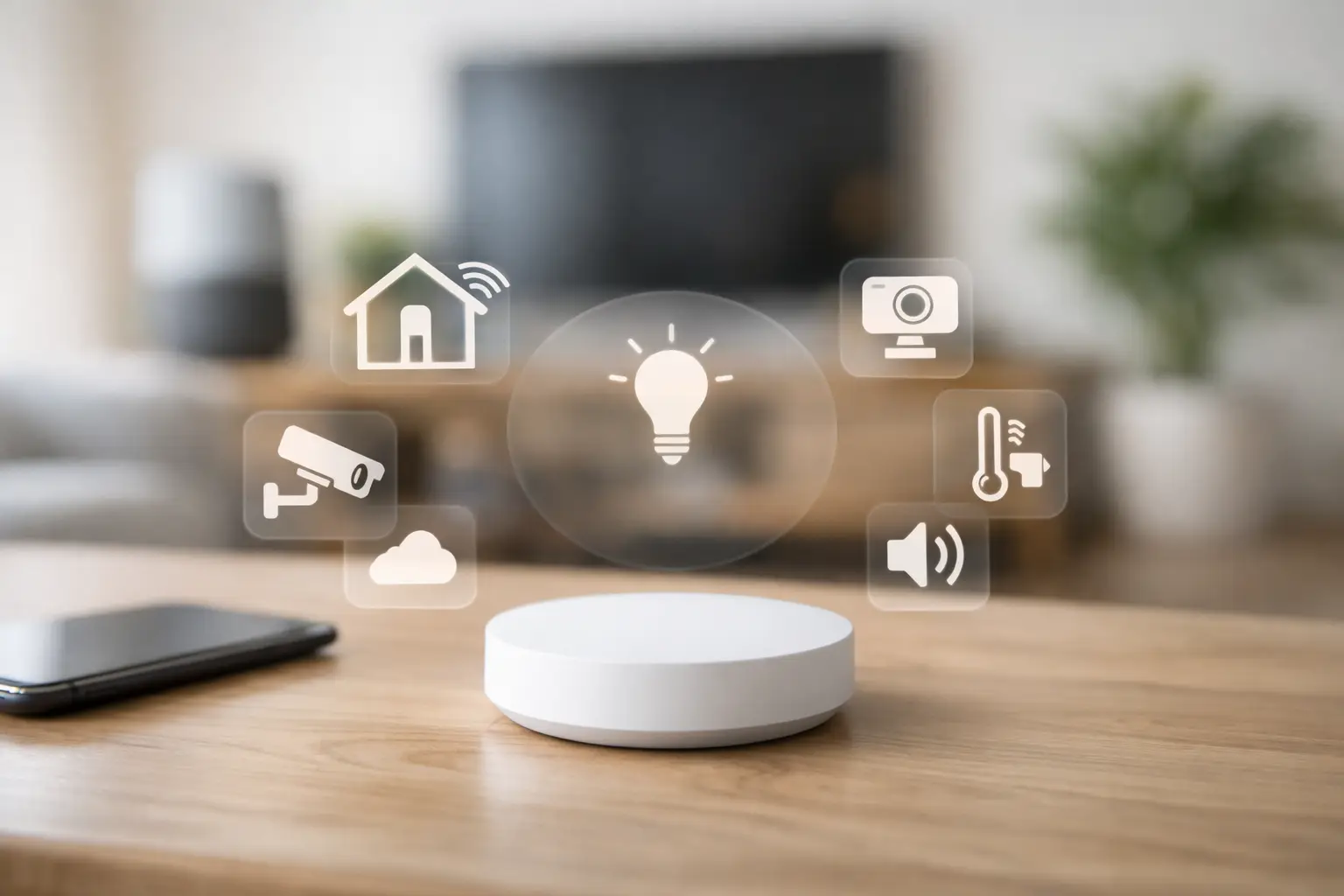
A beautiful home feels even better when the details respond to the way you live. A smart home hub can turn a collection of connected lights, speakers, locks, sensors, and appliances into a more thoughtful environment – one that helps mornings move faster, evenings feel calmer, and everyday routines require less effort.
The right choice is not always the hub with the longest feature list. It is the one that fits your preferred devices, respects your privacy expectations, and makes your space feel more considered rather than more complicated. For a home built around comfort, design, and convenience, that distinction matters.
What Does a Smart Home Hub Do?
A smart home hub is the central point that helps compatible devices communicate and work together. Instead of opening separate apps for the thermostat, lighting, door lock, and camera, you can manage them through one ecosystem, often with voice commands, automations, and a single control screen.
Some hubs are dedicated physical devices. Others are built into smart speakers, displays, streaming devices, or mobile platforms. The experience can be as simple as asking for the lights to dim at dinner or as tailored as setting a routine that lowers shades, adjusts the temperature, locks the doors, and starts a favorite playlist at the end of the day.
A hub does not have to control every product in your home to be worthwhile. Start with the routines that create the most friction. For many households, lighting and climate control offer the most immediate improvement. For others, it may be entry access, pet-care devices, or added reassurance from security sensors.
Choose Your Ecosystem Before Your Devices
The most polished smart home setup begins with compatibility. Before choosing individual products, consider which ecosystem you want to use most often: Apple Home, Amazon Alexa, Google Home, Samsung SmartThings, or another preferred platform.
Your current technology often points to the most natural option. An iPhone household may appreciate the familiar controls and privacy-focused approach of Apple Home. Homes that already use Echo speakers may find Alexa routines straightforward and flexible. Google Home can be especially appealing for people who rely on Google services and want strong voice assistance. SmartThings remains a practical consideration for shoppers who want broad device support and deeper automation options.
None is universally best. The right ecosystem depends on the devices you already own, the people sharing the home, and how hands-on you want to be. A simple setup with a few voice-controlled routines can feel luxurious without requiring advanced technical knowledge. A larger home with lighting in multiple zones, outdoor spaces, cameras, and sensors may benefit from a platform with more detailed automation controls.
When comparing products, look for clear compatibility language. A device that works with your chosen ecosystem will be easier to add, easier to share with family members, and more likely to remain part of a cohesive experience as your home evolves.
Matter, Thread, Wi-Fi, and Zigbee Explained Simply
Smart home terminology can sound more complicated than the experience needs to be. Wi-Fi devices connect directly to your home network and are often easy to install, although a large collection can add demand to your router. Zigbee devices use a low-power mesh network, which can be especially useful for sensors, switches, and lighting throughout a larger home. They typically require a compatible hub.
Thread is another low-power mesh technology designed to improve reliability across connected devices. Matter is a newer smart home standard that helps supported products work across major platforms. In practical terms, Matter can make it easier to choose products with more flexibility, rather than feeling locked into one brand or voice assistant.
It is still wise to read product details carefully. Matter support does not mean every feature will be identical in every ecosystem, and some devices may need a specific bridge or controller. Think of Matter as a welcome sign of compatibility, not a reason to skip the fine print.
The Features Worth Paying Attention To
A premium smart home experience should feel dependable in the moments that matter. That means looking beyond novelty and focusing on the controls you will use every week.
Local control is one feature worth considering. Some hubs can run certain automations within your home rather than relying entirely on an internet connection. This can mean faster responses and continued function for select routines if your connection drops. It is especially valuable for lighting, sensors, and security-related actions.
Voice control can be convenient, but it should not be your only way to operate the home. The best systems also offer intuitive app controls, physical switches, and shared access for household members. A guest should still be able to turn on a lamp, and a child or older relative should not need to memorize a command just to adjust the room.
Look closely at automation options, too. A quality hub should let you build routines around time, location, motion, temperature, or door activity. The more useful routines are often subtle: porch lights that turn on at sunset, a bathroom fan that runs after a shower, or a bedside lamp that glows softly before the alarm.
Security and privacy deserve the same level of attention as convenience. Choose strong account protection, enable two-factor authentication when available, and consider how much camera footage or voice data you are comfortable storing in the cloud. A refined home is one where you feel in control of the technology, not observed by it.
Build Around Rooms, Not Random Devices
The most satisfying setups are designed room by room. This approach keeps spending intentional and helps every addition support a clearer lifestyle goal.
In the entryway, a smart lock, video doorbell, and welcoming exterior lighting can create a more secure arrival. In the living room, smart lighting and a speaker or display can set the tone for entertaining, movie nights, or quieter hours. A bedroom may benefit most from dimmable lighting, blackout shades, and a thermostat routine that supports better rest.
The kitchen is often a natural place for a voice assistant, smart display, or connected speaker, especially for timers, music, recipes, and family reminders. Outdoors, weather-resistant lighting, irrigation controls, and cameras can extend convenience beyond the walls of the home. Pet owners may also appreciate smart feeders, water fountains, or cameras that provide a little more visibility during the workday.
Avoid buying connected products simply because they can connect. A smart plug that controls a frequently used lamp may be more valuable than an expensive appliance feature you rarely touch. Sophistication comes from thoughtful choices, not a crowded dashboard.
Set Up a Smart Home Hub for Everyday Ease
Once you have selected your hub, begin with a clean foundation. Update your Wi-Fi password if it has not been changed in years, place the router in a central location where possible, and create a secure account with a unique password. If your hub supports household sharing, add the people who need regular access from the beginning.
Add devices gradually, testing each one before moving on. Name them by room and purpose using words that make sense when spoken aloud, such as “Dining Room Pendant” or “Patio String Lights.” Clear names keep app controls organized and make voice commands more natural.
Then create one or two routines that genuinely improve your day. A “Good Morning” routine might bring up kitchen lighting, adjust the temperature, and share the day’s weather. An “Away” routine could turn off selected lights, confirm locks, and pause entertainment devices. Start modestly. The most reliable automations are usually the ones that solve a familiar, repeated task.
When a Hub May Not Be Necessary
Not every connected home needs a dedicated hub. If you have only a few Wi-Fi smart plugs or bulbs and are comfortable using their individual apps, a central controller may feel unnecessary. Some smart speakers and displays already provide enough hub functionality for a simple setup.
A dedicated smart home hub becomes more appealing as your collection grows, especially if you want devices from different brands to work together or you prefer more advanced routines. It can also reduce the clutter of separate apps and help create a more unified experience across rooms.
For renters, portable products such as smart bulbs, plugs, speakers, and indoor cameras can offer a flexible starting point without altering the property. Homeowners planning a larger upgrade may want to prioritize smart switches, shades, thermostats, and outdoor lighting that integrate beautifully with the home’s overall design.
The best smart home does not announce itself at every turn. It simply anticipates a few needs, adds comfort where it counts, and lets your space feel more personal with every well-chosen detail.













Leave a comment