How to Choose a Freestanding Tub That Fits
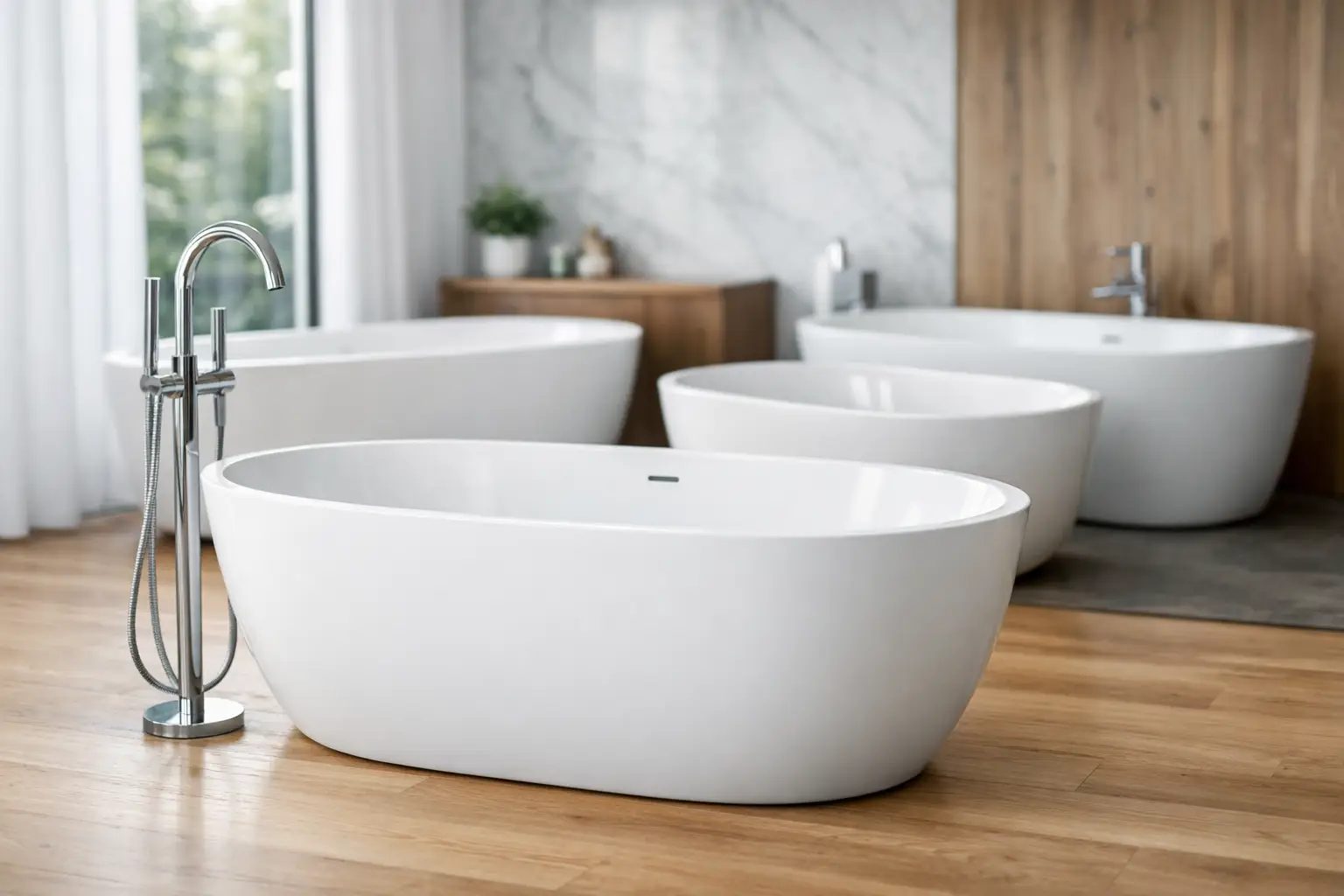
A freestanding tub does more than provide a place to soak. Positioned with intention, it becomes the visual center of the bathroom: a sculptural piece that brings hotel-level calm to an everyday routine. The right choice can make a compact bath feel considered and a larger primary suite feel genuinely restorative. The wrong one can overwhelm the room, complicate cleaning, or leave you with a beautiful fixture that is not particularly comfortable to use.
For a bathroom that feels elevated for years rather than merely on trend, begin with the realities of your space, plumbing, and daily habits. Then choose the material and silhouette that support the atmosphere you want to create.
Why a Freestanding Tub Makes Such an Impact
Unlike a built-in tub, a freestanding design is visible from every angle. Its shape, finish, faucet placement, and relationship to the surrounding floor all contribute to the room’s character. A softly curved oval tub can relax the lines of a modern bathroom, while a tailored rectangular profile brings a more architectural look. A classic pedestal or clawfoot form can introduce heritage charm without making the entire room feel traditional.
That presence is precisely why proportion matters. A tub should feel like a deliberate focal point, not an obstacle placed in the middle of the floor. Premium bathrooms often feel effortless because the largest pieces have enough visual breathing room around them. Give the tub space, and it will read as a refined furnishing rather than just another fixture.
Start With Space, Not Style
It is easy to fall for a dramatic silhouette before checking the measurements. Yet size is the first decision that protects both comfort and the final look. Measure the available floor area, the path through the bathroom, nearby doors and drawers, and the route the tub will take during delivery. A tub that fits on a floor plan may still be difficult to bring through a narrow hallway or upstairs turn.
Leave Room to Move and Clean
Aim for clear walking space around the tub wherever the layout allows. This helps the bathroom feel open and makes it much easier to clean the floor and walls behind the fixture. In tighter rooms, a smaller oval, a Japanese-inspired soaking tub, or a design with a compact footprint can offer the freestanding effect without crowding the vanity or shower.
Consider the tub’s interior dimensions as carefully as its exterior ones. Overall length does not always equal usable bathing space. Look at the backrest angle, water depth, width at shoulder level, and the slope of the base. Taller bathers may prefer a longer design with gently reclined ends, while anyone who values deep soaking may be happier in a shorter but deeper tub.
Think About the View From Every Doorway
Stand at the bathroom entry and identify what the eye lands on first. If the tub is the first object in view, its finish and form deserve special attention. Centering it beneath a window can be striking, but only if the window height, privacy needs, and wall treatment all work together. In other layouts, placing the tub beside rather than directly under a window creates a quieter, more flexible composition.
Choose a Freestanding Tub Material for Real Life
Material affects the tub’s appearance, heat retention, weight, maintenance, and price. There is no single best option. The most satisfying choice depends on whether you prioritize easy care, a substantial feel, long soaks, or a particular design expression.
Acrylic is a popular choice for good reason. It is generally lighter than cast iron or stone, retains warmth well, and comes in a wide range of shapes. Its smooth surface is comfortable and straightforward to maintain, making it especially practical for upper-floor bathrooms where structural load may be a concern. Quality matters here: a well-made acrylic tub should feel solid, not flexible or thin underfoot.
Cast iron offers remarkable presence and durability. Its enameled surface has a classic gloss, and its weight conveys permanence. It can also hold heat beautifully once warmed. The trade-off is significant weight, which may require a professional assessment of floor support. Cast iron is a strong fit for homes where timeless character and heirloom appeal are central to the design.
Solid-surface composite and stone-resin tubs deliver a matte, sculptural finish that suits contemporary spaces. They often feel substantial, retain heat well, and create an especially tailored look in white, cream, charcoal, or soft mineral tones. Because formulations vary, review the manufacturer’s care guidance before choosing one. Some finishes are more forgiving of everyday products than others.
Natural stone makes an unforgettable statement, but it brings higher cost, exceptional weight, and more specialized care. It is best reserved for a bathroom plan designed around it from the beginning. For many homes, a high-quality composite delivers much of the same visual richness with a more manageable installation.
Select a Shape That Complements the Room
The silhouette should connect the tub to the rest of the bathroom rather than compete with it. Oval tubs are versatile and inviting, especially alongside rounded mirrors, globe lighting, and warm natural finishes. Their gentle profile is well suited to a spa-inspired setting.
Rectangular and angular tubs feel crisp and tailored. They pair naturally with floating vanities, large-format tile, and clean-lined hardware. If the room already has strong geometry, an angular tub can reinforce that polished, contemporary direction.
For a softer traditional influence, consider a slipper tub with a raised back or a pedestal design with a defined base. These forms can feel romantic without becoming ornate when styled with restrained fixtures and simple tile. The key is repetition: echo one or two details, such as brushed metal or warm wood, rather than mixing every finish and era at once.
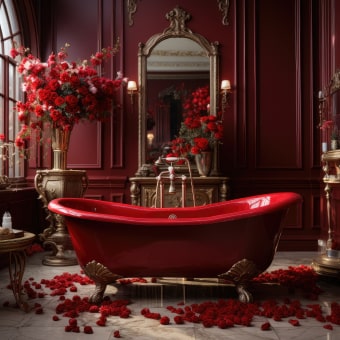
Color also changes the effect. White remains timeless and bright, while a matte black, deep green, or warm neutral exterior can give the room a more custom point of view. Dark finishes are dramatic, but they tend to show mineral spots and dust more readily. They are best chosen by households comfortable with a little extra upkeep.
Plan the Plumbing Before You Order
A freestanding installation calls for more than selecting a beautiful tub. Faucet location must be determined early. Depending on the model and layout, you may need a floor-mounted tub filler, a wall-mounted faucet, or a deck-mounted option on a nearby ledge. Floor-mounted fixtures make a strong visual statement, but their plumbing must be positioned precisely before the finished floor is installed.
Confirm the drain location and overflow specifications with your plumber. Also consider access for future service, especially in a remodeled bathroom where plumbing may be less accessible than it is in new construction. A professional installer can verify whether the existing drain can be adapted and whether the floor is level enough for proper placement.
Water capacity is another practical detail that deserves attention. A deep tub can offer a far better soak, but it uses more water and takes longer to fill. Make sure your water heater can support the experience you expect, particularly if more than one person in the household enjoys long baths. If your home has hard water, a simple care routine will help keep faucets and finishes looking polished.
Create the Ritual Around the Tub
The most memorable bathrooms consider what happens after the fixture is installed. A small side table or stone stool gives you a place for a towel, book, or bath essentials. Layered lighting is equally valuable: bright task lighting for the morning, softer ambient light for evening, and a dimmer for a more relaxed atmosphere.
Choose accessories with the same restraint you would bring to a well-appointed bedroom. Plush towels, a thoughtfully placed tray, and a natural bath mat can make the space feel warm without cluttering its focal point. At Vellenor, the most compelling home choices are the ones that balance visual sophistication with comfort you can feel every day.
A freestanding tub is worth choosing slowly. Let your room set the boundaries, let your habits guide the practical details, and select the form that makes you want to linger a little longer. That is how a bathroom becomes a private retreat rather than simply a room with a tub.








Leave a comment