Best Patio Lounge Chairs for Elevated Outdoor Living
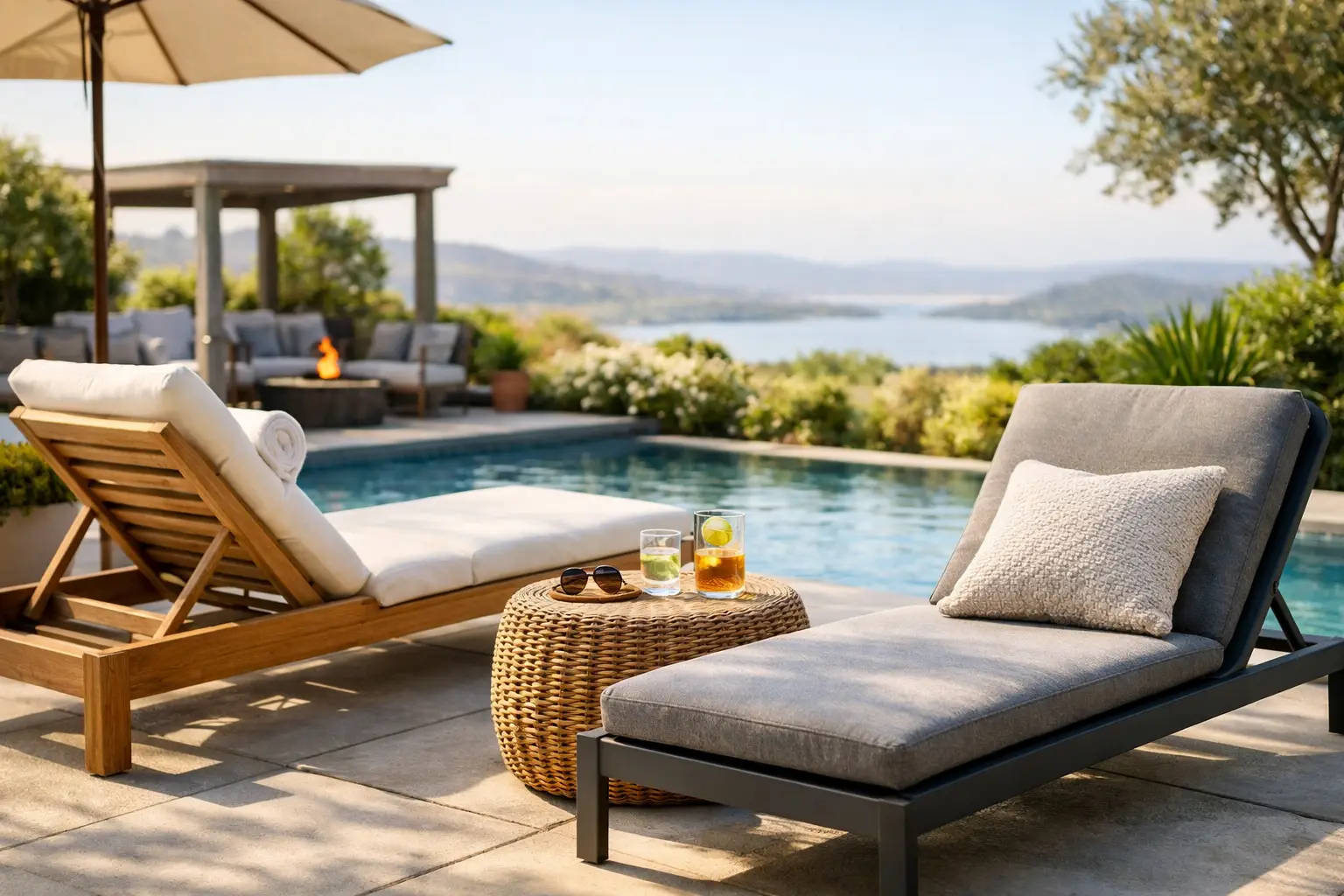
A beautiful outdoor space is rarely defined by the size of its patio. It is defined by whether people want to linger there. The best patio lounge chairs bring that inviting feeling to life, pairing considered design with the kind of comfort that turns a sunny corner, poolside terrace, or covered porch into a genuine extension of home.
For a refined outdoor setting, a lounge chair should do more than fill an empty spot. It should create a destination for slow mornings, post-dinner conversations, and quiet time with a book. The right choice balances silhouette, materials, weather resistance, and the way you actually plan to use the space.
What Makes the Best Patio Lounge Chairs Worth Choosing
A premium patio chair earns its place through more than a plush cushion. Start with proportion. A generously scaled chair with a supportive back and adequate seat depth feels indulgent, but it must still leave enough room to move comfortably around the patio. In compact spaces, a streamlined frame and tailored cushions can deliver the same sense of luxury without crowding the layout.
Materials matter just as much. Outdoor furniture lives with sun, moisture, wind, pollen, and the occasional spilled drink. Well-made aluminum, all-weather wicker, teak, and powder-coated steel are popular for good reason, but each creates a distinct look and requires a different level of care.
The details set apart a considered purchase from a temporary one. Look for UV-resistant fabrics, quick-drying cushion cores, covered zippers, smooth welds, and thoughtfully finished frames. These features preserve the chair’s appearance while making outdoor living feel easier. A lounge chair should invite relaxation, not add another maintenance task to the weekend.
Choose the Right Material for Your Space
Aluminum for a clean, modern setting
Aluminum lounge chairs offer an airy, architectural presence. They are lightweight enough to reposition when the sun moves, yet substantial enough to feel polished and purposeful. Powder-coated aluminum is especially appealing for exposed patios because it resists rust and is available in sophisticated neutrals such as matte black, warm white, charcoal, and sand.
This is an excellent choice for contemporary homes, rooftop terraces, and pool areas where clean lines matter. The trade-off is that bare metal can feel visually cool, so add depth with textured cushions, a woven outdoor rug, or a teak side table.
All-weather wicker for relaxed sophistication
Wicker has an ease that suits nearly every outdoor setting, from a covered front porch to a lush garden patio. For long-term use, choose all-weather resin wicker rather than natural rattan. It delivers the woven character people love while standing up far better to rain and changing temperatures.
The most elevated wicker frames have a tight, consistent weave and a substantial base. Pair them with cushions in ivory, taupe, olive, or soft gray for a relaxed but tailored look. Wicker can be visually fuller than metal, so it works best when the patio has enough breathing room around each piece.
Teak for warmth and lasting character
Teak is one of the most enduring choices in outdoor furniture. Its natural oils help it withstand moisture, and its golden-brown tone adds instant warmth to stone, concrete, and tile patios. Over time, teak develops a silvery patina if left untreated, a finish many homeowners find especially elegant.
A teak lounge chair is an investment piece. It is ideal for those who appreciate organic materials and do not mind occasional care. If you prefer its original warm tone, cleaning and protective treatments will be part of the ownership experience. If a softer weathered finish appeals to you, teak becomes even more effortless over the years.
Steel for structure and statement
Steel can give a patio a grounded, sculptural quality. It is often used for slim, graphic frames that complement industrial, transitional, and modern farmhouse homes. A quality powder-coated finish is essential, particularly in coastal or humid areas where corrosion is more likely.
Steel is typically heavier than aluminum, which is an advantage in windy locations. It is less convenient if you like to rearrange furniture frequently, but its visual weight can make an open patio feel more intentional.
Comfort Is a Design Decision
A chair can look exceptional online and still disappoint if the seat is too shallow or the back sits at the wrong angle. Before choosing, consider how you relax outdoors. For reading, morning coffee, or conversation, an upright deep-seating lounge chair with supportive cushions is usually the most versatile. For sunbathing, a chaise lounge with adjustable positions is the more natural fit.
Seat height is easy to overlook. Lower lounge chairs create a resort-inspired, relaxed profile, but they may be less comfortable for guests who prefer an easier rise. A slightly higher seat feels more familiar and works beautifully around a fire pit or low dining table.
Cushions deserve close attention. High-resilience foam provides a supportive feel, while quick-dry foam and breathable mesh inserts are especially valuable in rainy climates. Removable covers make seasonal cleaning simpler. Neutral upholstery is a dependable foundation, but it does not have to feel plain. A warm ivory, heathered gray, or mineral blue can introduce color with quiet sophistication.
Arrange Patio Lounge Chairs Like a Finished Room
The most polished patios are arranged with purpose. Instead of placing chairs along the edge of the space, create a conversation zone. Two lounge chairs facing each other with a small table between them can make even a modest balcony feel welcoming. On a larger patio, four chairs around a low fire table create an effortless setting for guests.
Give each chair a useful companion. A side table should be close enough for a drink, phone, or book without interrupting the chair’s clean profile. An outdoor ottoman adds comfort and can double as an extra seat when company arrives. If there is room, a soft outdoor rug visually anchors the arrangement and helps the patio feel connected to the interior of the home.
Scale is particularly important near a pool. Allow clear walking paths and avoid oversized pieces that compete with the water’s open sightlines. A pair of streamlined chaises with a shared table often looks more luxurious than a crowded collection of furniture.
Match the Chair to Your Climate
There is no single best material for every ZIP code. In dry, sunny regions, UV resistance should be a priority, especially for cushions and wicker. In humid or rainy climates, fast-draining cushions and rust-resistant frames become more valuable. Coastal homeowners should seek materials designed to handle salt air, such as marine-grade hardware, aluminum, and high-quality resin wicker.
Covered patios offer more flexibility, but they still benefit from durable outdoor-rated fabrics. Even under a roof, humidity, dust, and reflected sunlight can affect finishes over time. Furniture covers are useful during long periods of disuse, though they should fit properly and allow air circulation. Trapping moisture beneath a cover can create the very problems you are trying to avoid.
A Better Way to Shop for Patio Seating
Start with the feeling you want to create, then narrow the options. A serene, hotel-inspired retreat may call for low-profile aluminum, tonal cushions, and simple tables. A warm entertaining space may be better served by teak or woven lounge chairs layered with textured pillows. For a family patio, prioritize easy-clean fabrics, sturdy frames, and flexible pieces that can adapt as the day changes.
It also helps to buy fewer, better pieces. Two exceptional lounge chairs with excellent cushions and a well-proportioned table often feel more luxurious than a larger arrangement made from lighter, less considered furniture. Quality shows in the finish, the comfort, and the way a piece continues to look composed after an entire season outdoors.
At Vellenor, elevated outdoor living begins with choices that feel as good as they look. Select a lounge chair that suits your climate, complements your home’s character, and makes an ordinary hour outside feel like time well spent.









Leave a comment