Outdoor Pizza Oven Review: Worth the Upgrade?
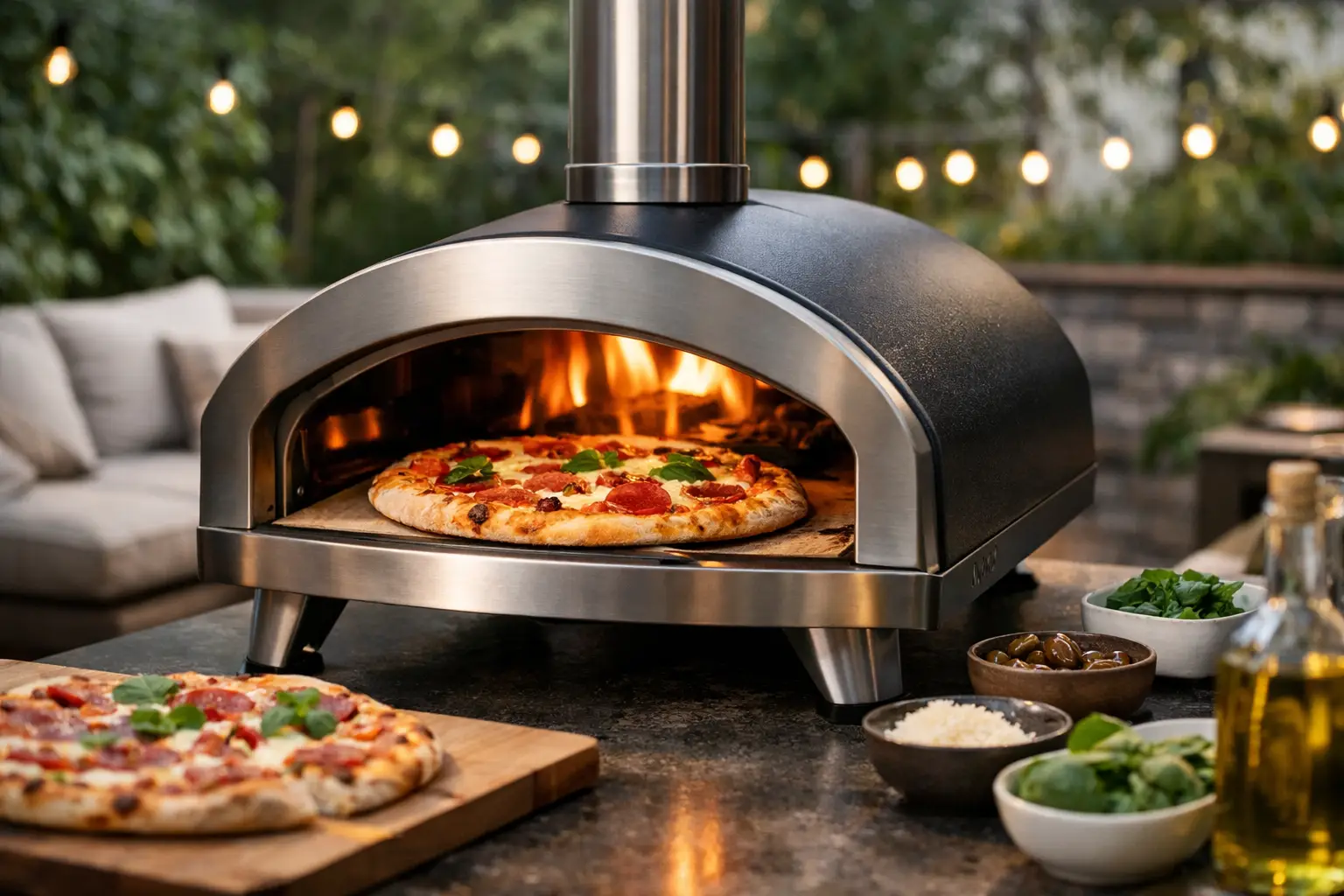
A great pizza night changes the rhythm of the backyard. The oven becomes the warm focal point, guests gather close, and a simple meal feels considered rather than routine. This outdoor pizza oven review looks beyond the promise of blistered crusts to help you decide which style will genuinely elevate your patio – and which features are worth paying for.
For design-minded homeowners, an outdoor pizza oven is part cooking appliance, part entertaining statement. The right choice brings high heat, reliable results, and a silhouette that belongs beside refined seating, thoughtful lighting, and an outdoor kitchen. The wrong choice can be a bulky purchase that takes too long to heat, is difficult to clean, or spends more time covered than cooking.
Outdoor Pizza Oven Review: What Matters Most
The headline number on almost every pizza oven is its maximum temperature. It matters, but it is not the entire story. Neapolitan-style pizza benefits from a very hot cooking surface and radiant heat overhead, often reaching 750°F or more. At that temperature, a thin pizza can cook in roughly 60 to 90 seconds, creating the spotted edge and tender center many people want.
Yet the best oven is not automatically the hottest one. Temperature recovery matters just as much when friends are waiting for a second or third pie. A quality model regains heat quickly after the door opens, distributes it evenly across the stone, and gives the cook enough control to avoid a charred crust with undercooked toppings.
Capacity deserves equal attention. Compact ovens with a 12-inch cooking area are excellent for couples, small families, and patios where every inch counts. A 16-inch model offers more freedom for family-size pizzas, cast-iron dishes, or a larger baking pan. It also gives you more room to turn a pizza without crowding the flame.
Consider the oven as a complete outdoor-living purchase rather than a single-purpose gadget. A beautiful, well-built unit should feel intuitive enough for a Tuesday dinner and impressive enough for a weekend gathering. That balance is where premium construction earns its place.
Fuel Type Sets the Experience
Fuel is one of the clearest dividing lines in any outdoor pizza oven review. Each option delivers a different relationship with cooking, convenience, and flavor.
Gas: The polished, practical choice
Gas-fired ovens are the easiest entry point for most households. Turn the dial, preheat, and begin cooking with very little ash, smoke, or temperature guesswork. They are ideal for hosts who want restaurant-inspired pizza without stepping away from the conversation to manage a live fire.
The trade-off is atmosphere. Gas produces excellent pizza and often offers more predictable heat, but it does not create the ritual of wood fire. For busy families and frequent entertainers, that is often a worthwhile exchange. Look for an L-shaped or rear burner that sends flame over the top of the pizza, rather than relying on heat from only one side.
Wood: The classic outdoor ritual
Wood-fired ovens bring visible flame, a subtle smoky character, and a sense of occasion that gas cannot completely replicate. They suit cooks who enjoy learning the craft: building the fire, reading the flame, and moving the pizza around the stone to find the ideal heat zone.
They also require more patience. Wood quality affects performance, ash needs clearing, and managing a consistent temperature takes practice. A wood oven is a beautiful choice for someone who sees cooking as part of entertaining, not merely a task to finish before guests arrive.
Multi-fuel: Flexibility with a learning curve
Multi-fuel designs can offer the best of both approaches. Use gas for effortless weeknight pizza, then add wood when you want a deeper flame-fired experience. This versatility can justify a higher price for households that will use both modes.
Still, flexibility should not become clutter. Check whether the wood or gas attachment is included, how easily it installs, and whether the oven performs equally well in both configurations. A feature only adds value if it is simple enough to use regularly.
Construction That Feels Premium and Performs
A pizza oven lives outdoors, where rain, heat, wind, and seasonal changes test every surface. Stainless steel is a strong choice for its clean appearance, resistance to corrosion, and easy upkeep. Better models use substantial insulation and a tightly fitted cooking chamber to retain heat efficiently.
The pizza stone is another quiet indicator of quality. Cordierite stones are popular because they tolerate intense heat and thermal shock well. A thicker stone can hold heat more steadily through back-to-back pizzas, although it may take longer to preheat. What matters most is a stone that sits level, removes easily for cleaning when needed, and has enough depth for confident turning.
Pay attention to details that improve everyday use: stable legs, a secure door, a thermometer positioned where it is actually useful, and a chimney or vent system that directs heat as intended. If the oven is portable, sturdy handles and manageable weight are more meaningful than a marketing claim of portability. An oven you can move without strain is far more likely to follow you from patio to vacation home or tailgate.
Size, Placement, and Patio Presence
Before choosing an oven, measure the outdoor surface where it will live. Allow clearance around the oven for safe operation, a prep area for dough and toppings, and a place to set down a hot peel. A dedicated cart can create a composed cooking station while keeping tools within reach.
A tabletop oven can be an elegant solution for a smaller deck or apartment terrace, provided building rules allow it and the surface is suitable for heat. Freestanding models create more visual presence and may include shelves or storage. Built-in ovens make a dramatic outdoor-kitchen centerpiece, but demand greater planning, professional installation, and a more permanent commitment.
Think about sightlines, too. An oven should complement the setting rather than dominate it. Matte black finishes feel contemporary and understated, while brushed stainless steel pairs beautifully with modern grills and outdoor cabinetry. A sculptural dome can soften a structured landscape and make the cooking area feel more inviting.
Features That Earn Their Keep
Not every accessory deserves countertop space. The most useful additions support better pizza rather than adding novelty. A quality peel, an infrared thermometer, a cover, and a turning peel are often more valuable than a drawer full of single-use gadgets.
When comparing ovens, prioritize these practical details:
- A fast preheat time that fits the way you entertain
- A door or flame-control system suited to your chosen fuel
- Insulation that supports efficient, consistent cooking
- A cooking opening wide enough to turn pizzas comfortably
- A weather-resistant cover designed for the oven’s shape
A built-in thermometer can be convenient, but an infrared thermometer gives a more accurate reading of the stone itself. That distinction matters because the air temperature may look ready while the cooking surface still needs time. If your first pizza sticks or bakes pale underneath, the stone is often the reason.
Who Should Invest in an Outdoor Pizza Oven?
An outdoor pizza oven is especially rewarding for people who enjoy hosting, experimenting with fresh dough, or making their patio feel like an extension of the home. It is also a smart purchase for families who want an interactive dinner format. Guests can choose toppings, children can help assemble pies, and the cook stays part of the gathering.
It may be less compelling if you primarily want a fast meal with no preparation. Even gas models need dough, flour, tools, and a little attention. The learning curve is approachable, but real. Most new owners need a few sessions to learn how much flour to use, when to rotate the pizza, and how to balance sauce and toppings for high heat.
For that reason, the best value is not always the least expensive oven or the most elaborate one. It is the model that matches your space, your preferred fuel, and your willingness to cook outdoors often enough to make it part of your routine.
A thoughtfully selected pizza oven can turn a well-designed patio into a place people remember. Choose craftsmanship over gimmicks, leave room for the tools that make cooking easier, and let your first few pizzas be an enjoyable lesson rather than a performance. At Vellenor, that is the kind of elevated everyday experience worth bringing home.













Leave a comment