Best Dog Grooming Tools for a Polished Coat
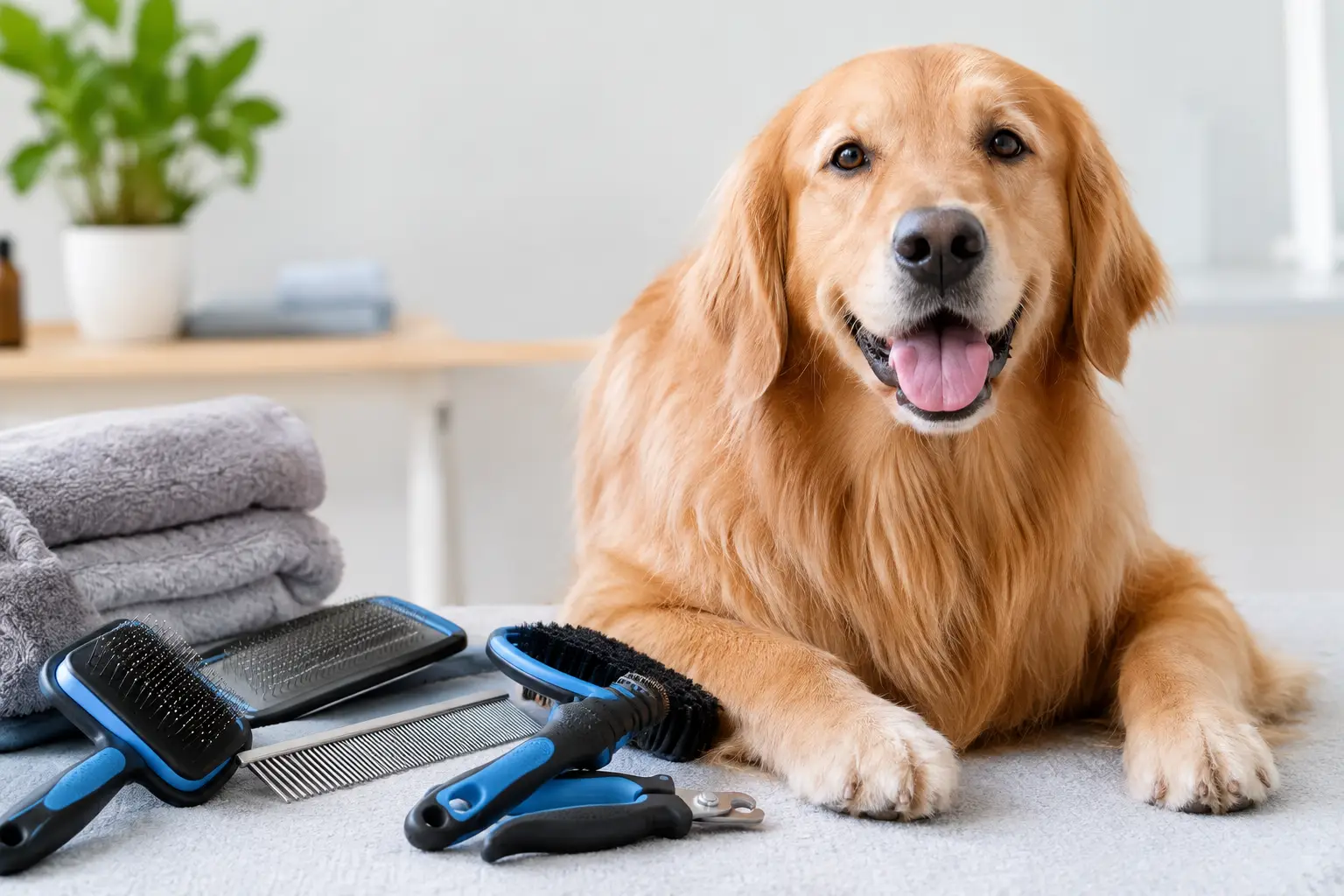
A freshly groomed dog changes the feeling of a home. There is less loose fur on the sofa, fewer muddy paw prints near the entryway, and a coat that looks soft, healthy, and cared for. The best dog grooming tools make that result more attainable between professional appointments, but the right selection depends on far more than appearance. Your dog’s coat type, skin sensitivity, size, and tolerance for grooming all shape what belongs in your routine.
Premium grooming is not about owning every gadget on the market. It is about choosing thoughtful essentials that work comfortably, last well, and turn routine care into a calmer moment for both pet and owner.
Start With Your Dog’s Coat, Not the Tool Aisle
A sleek, short-haired Boxer needs very different care from a curly-coated Poodle or a double-coated Golden Retriever. Buying a brush because it looks attractive or has strong reviews can lead to ineffective grooming at best and uncomfortable pulling at worst.
Short coats typically benefit from soft rubber curry brushes, grooming gloves, and natural-bristle brushes. These tools lift loose hair, distribute natural oils, and leave the coat with a healthy sheen without scratching close-to-the-skin fur. They are also an elegant choice for dogs that dislike long grooming sessions, since a few gentle passes can make a visible difference.
Medium and long coats call for more reach. A quality slicker brush can separate hair and lift loose undercoat, while a stainless-steel comb helps check for small tangles around the ears, collar line, legs, and tail. For curly or wiry coats, a comb is especially valuable because it reveals knots that a surface-level brush may miss.
Double-coated breeds require patience. Their thick undercoat sheds seasonally and can compact if neglected. An undercoat rake or deshedding tool can be useful, but use it sparingly and with a light hand. These tools are designed to remove dead undercoat, not to thin healthy hair or scrape sensitive skin. If your dog is prone to irritation, a professional groomer can advise on the safest frequency.
The Best Dog Grooming Tools to Keep on Hand
A refined at-home setup does not need to overwhelm a bathroom cabinet. These are the tools that earn their place through regular use and practical results.
A coat-appropriate brush
Your primary brush is the foundation of the routine. For long-haired dogs, choose a slicker brush with flexible, rounded pins and a comfortable handle. For short-haired breeds, a rubber brush or soft bristle option offers a gentle polish. Look for a well-balanced design that feels secure in your hand, particularly if your dog has a large coat or requires frequent brushing.
A stainless-steel comb
A dual-sided comb with wide and narrow teeth is one of the most versatile grooming pieces you can own. The wider side moves through thicker sections of coat, while the narrow side identifies finer tangles and works carefully around the face and paws. Unlike many specialty tools, a good comb suits most coat types and provides a clear test of whether brushing has reached the skin.
Nail clippers or a nail grinder
Overgrown nails can affect a dog’s posture, traction, and comfort. Traditional scissor-style clippers offer clean control and work quickly when used correctly. A nail grinder rounds rough edges and can feel less intimidating for owners who worry about taking off too much at once.
Neither option is universally better. Clippers are efficient for confident dogs and experienced hands; grinders are gradual but can be noisy or create vibration that some pets dislike. Whichever you choose, select a tool with a secure grip and safety guard, then work in small increments. Keep styptic powder nearby in case a nail is trimmed too close to the quick.
Dog-safe shampoo and a conditioning treatment
A beautifully designed brush cannot compensate for harsh shampoo. Human shampoo is generally too alkaline for canine skin and may leave it dry or itchy. Choose a dog-specific formula suited to your pet’s needs, whether that is gentle cleansing for sensitive skin, deodorizing care after outdoor adventures, or moisturizing support for a dry coat.
Conditioner is particularly worthwhile for long, curly, or easily tangled fur. It improves slip while brushing and can reduce breakage after bathing. A light detangling spray between baths can also make a noticeable difference on feathered legs, tails, and ear hair.
Absorbent towels and a pet dryer
The post-bath stage often determines whether grooming feels effortless or chaotic. High-absorbency microfiber towels pull water from the coat quickly and are gentler than vigorous rubbing. For thick, dense, or long coats, a pet-specific dryer can be a smart addition. It helps dry the undercoat thoroughly, reducing the damp, musty smell that can linger after a rushed bath.
Avoid using very hot air. Dogs have sensitive skin, and concentrated heat can be uncomfortable or unsafe. Use a low or cool setting, hold the dryer at a sensible distance, and introduce the sound gradually with treats and reassurance.
Tools That Make Small Details Look Considered
Once the essentials are covered, a few finishing tools can elevate the grooming experience. A soft face cloth makes it easier to clean around the eyes and muzzle. Pet-safe ear wipes offer a convenient way to clean the outer ear flap after walks or baths, though they should never be pushed into the ear canal. A toothbrush designed for dogs, paired with canine toothpaste, supports fresher breath and better oral care.
For dogs with hair that grows over the eyes or between the paw pads, grooming scissors with rounded tips can be helpful. This is a detail-oriented task, not a place to rush. If your dog moves frequently, has dark paw pads, or becomes anxious around scissors, leave precision trimming to a professional.
Flea combs are another modest but valuable addition, especially for dogs that spend time in gardens, parks, or multi-pet homes. Their tightly spaced teeth can pick up flea dirt and help you inspect the coat closely. They are not a substitute for veterinarian-approved parasite prevention, but they are useful for regular checks.
Build a Routine Your Dog Will Accept
Even the most beautifully made tools will sit unused if grooming becomes a struggle. The goal is not to complete every task in a single session. A five-minute brush after an evening walk, a paw check after a rainy day, and a nail trim spread across several calm moments are often more successful than one long appointment at home.
Start by letting your dog sniff each tool. Reward relaxed behavior with a favorite treat, then introduce brief, gentle contact. Brush in the direction the coat grows, working in small sections. If you meet resistance, do not pull through a tangle. Hold the hair near the skin to reduce tugging, use a detangling spray if appropriate, and tease the knot apart with a comb from the ends upward.
Pay close attention to body language. Turning away, licking lips, holding the tail low, or stiffening can signal that your dog needs a break. A calm voice, stable non-slip surface, and reliable routine will do more for grooming success than forcing a longer session ever will.
Know When Home Care Should Give Way to Professional Care
At-home grooming is excellent for maintenance, bonding, and keeping your dog comfortable between appointments. It does have limits. Severe matting, skin redness, strong odor, recurring ear debris, overgrown nails, and sudden coat changes deserve professional or veterinary attention.
Mats can pull tightly on the skin and may conceal sores, parasites, or moisture beneath them. Cutting them out with household scissors is risky because dog skin is thin and easily caught in a knot. A qualified groomer has the training and equipment to handle difficult coats with greater safety.
Likewise, shedding is normal, but unexplained hair loss, dandruff, excessive scratching, or a dull coat may be signs of an underlying health issue. Grooming should help you notice changes early, not encourage you to treat them with cosmetic products alone.
Create a Grooming Kit Worth Reaching For
Store your tools together in a clean basket, drawer organizer, or dedicated grooming case so the routine feels simple to begin. Wash brushes and combs regularly to remove hair, skin oils, and product residue. Replace damaged tools promptly, especially clippers with dull blades or brushes with bent pins that can irritate the skin.
For an elevated everyday routine, choose fewer pieces with better materials, comfortable handling, and a purpose that matches your dog’s coat. Vellenor’s approach to pet essentials reflects the same principle that guides a well-appointed home: thoughtful choices create comfort that is easy to see and feel.
The most rewarding grooming kit is not the largest one. It is the one that helps your dog step away relaxed, comfortable, and ready to settle beside you with a coat that feels as cared for as the rest of your home.












Leave a comment