
Are Digital Budgeting Planners Worth It?
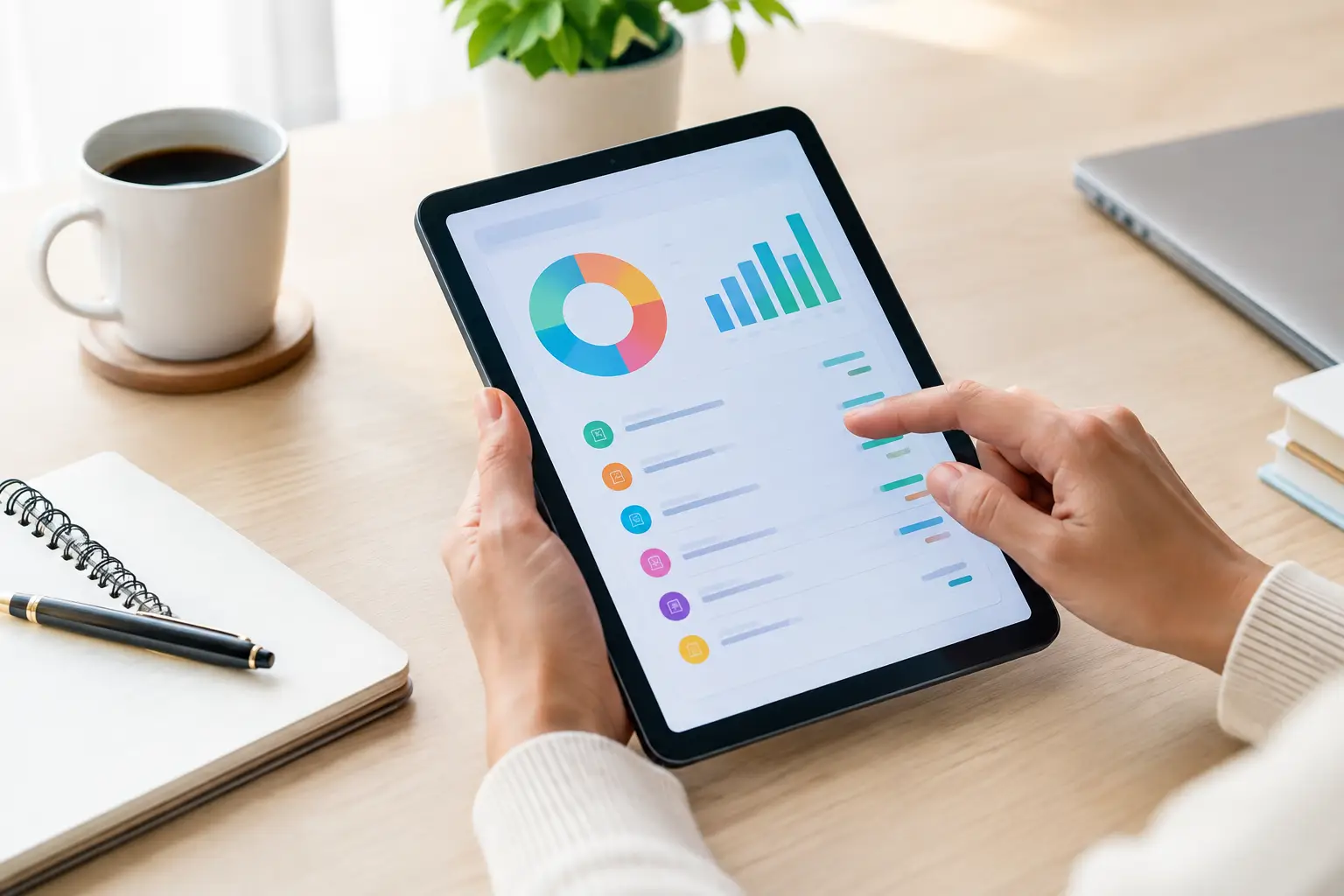
A budget can look perfectly reasonable on payday and feel surprisingly distant by the end of the month. Between recurring subscriptions, grocery runs, home upgrades, family expenses, and the occasional well-earned treat, it is easy for spending to become a collection of small decisions rather than a clear plan. So, are digital budgeting planners worth it? For many people, they are – not because they make money management glamorous, but because they make it easier to see what your money is designed to do.
A thoughtfully designed digital planner turns budgeting from a chore you avoid into a routine you can actually maintain. The best options pair useful structure with a polished, easy-to-read format, helping your financial life feel more intentional and less cluttered.
What a Digital Budgeting Planner Actually Does
A digital budgeting planner is a downloadable system for organizing income, bills, savings goals, debt payments, and everyday spending. Depending on the format, it may be used in a tablet note-taking app, a PDF annotation tool, a spreadsheet program, or printed at home.
Unlike a basic banking app, a planner asks you to make choices before your money disappears into the month. You can set aside amounts for fixed obligations, map out flexible categories, plan for annual expenses, and check your progress at regular intervals. That moment of intention is where much of its value lies.
A strong planner also gives scattered financial details a single home. Instead of keeping due dates in one app, savings targets in a note on your phone, and spending figures in your head, you can view the larger picture in one organized place.
Are Digital Budgeting Planners Worth It for Most Households?
They are worth it when they encourage a habit you will use consistently. A planner cannot reduce a credit card balance or increase a paycheck on its own. What it can do is make your priorities visible enough to guide the next decision.
For a household balancing mortgage payments, child-related expenses, travel plans, pet care, or a long-awaited room refresh, that visibility can be genuinely valuable. It is easier to decide whether a purchase belongs in the plan when you can see the full month rather than only the available balance in your checking account.
Digital planners can be especially worthwhile for people who appreciate a more refined, visual approach to organization. Clean layouts, dedicated savings trackers, monthly calendars, and elegant category pages can make a practical task feel less clinical. For some users, that sense of order is enough to turn an abandoned budget into a lasting ritual.
The key is not the file itself. It is whether the planner reduces friction. If it gives you a clear place to record spending, prepare for upcoming bills, and revisit your goals, a modest one-time purchase can provide value long after the first month.
Where They Offer More Value Than Budgeting Apps
Budgeting apps are useful, particularly for automatic transaction tracking. Yet automation is not always the same as awareness. Seeing that a charge occurred after the fact is different from assigning that money a purpose before you spend it.
A digital planner creates a more active relationship with your finances. You enter the numbers, review the categories, and notice patterns. That hands-on process can reveal habits that automated dashboards soften or overlook, such as frequent convenience purchases, duplicated subscriptions, or irregular costs that arrive every few months.
There is also a privacy and simplicity advantage. Many downloadable planners do not require users to connect bank accounts or share financial data with another platform. For shoppers who prefer a more private, self-directed system, that can be reassuring.
Spreadsheets offer comparable flexibility, but they can feel blank and demanding. A planner provides the framework: sections for monthly cash flow, sinking funds, debt payoff, bill calendars, and goal tracking are already in place. You retain control without having to design the system from scratch.
The Trade-Offs to Consider Before Buying
A digital budgeting planner is not automatically the best choice for everyone. If you want every transaction imported and categorized with no manual input, an app with bank synchronization may suit you better. If you only need to confirm that bills are paid, a simple calendar may be enough.
Digital planners also require a small amount of setup. You will need to choose your categories, enter initial balances, and build the habit of checking in. A beautiful layout does not help if it stays unopened on a tablet.
Compatibility matters as well. Some planners are built for hyperlinked PDF use on a tablet, while others work best as spreadsheets. Before choosing one, consider where you will realistically use it. A planner that looks beautiful on an iPad but is awkward on your laptop may not fit your routine. The best format is the one that feels convenient on an ordinary Tuesday evening.
Finally, avoid buying a planner with more pages than you need. Detailed expense logs and multiple savings trackers can be helpful, but too much complexity can create pressure. A simpler system used every week is more valuable than an elaborate one used twice a year.
Who Benefits Most From a Digital Planner?
Digital budgeting planners tend to work particularly well for people who want more intention without giving up flexibility. They are a natural fit for visual thinkers, goal-oriented savers, couples coordinating shared priorities, and anyone preparing for a major purchase or lifestyle change.
They can also be useful during transitional seasons. Moving into a new home, planning a wedding, welcoming a child, paying down debt, building an emergency fund, or furnishing a space with greater care all involve expenses that benefit from advance planning. A dedicated tracker helps separate a meaningful goal from general spending, making progress easier to recognize.
For style-conscious shoppers, there is a quieter benefit: financial organization supports better purchasing decisions. When you know what is available for a kitchen upgrade, a patio refresh, or a premium everyday essential, you can buy with more confidence and less second-guessing. A budget is not only about saying no. It is about making room for what matters most.
How to Tell Whether a Planner Will Earn Its Place
Choose a planner based on your behavior, not your ideal self. If you enjoy writing by hand on a tablet, look for a hyperlinked format with monthly and weekly pages. If you prefer numbers and formulas, a spreadsheet-based planner may be a better investment. If your household shares finances, prioritize clear summaries and pages that make conversations easier.
Look for a focused set of features: income planning, bill tracking, spending categories, savings goals, debt tracking if needed, and monthly review pages. These essentials cover most financial routines without turning your budget into a full-time project.
A planner should also leave room for real life. The most useful designs include flexible categories for dining, home, wellness, gifts, travel, and unexpected costs. A rigid plan that ignores the way you actually live will be harder to sustain.
A Simple 30-Day Test for Real Value
Rather than expecting instant transformation, use a digital budgeting planner for one full month. Start by recording your expected income and fixed expenses. Then create a few meaningful categories for flexible spending and one or two savings goals.
Check the planner once or twice each week. Notice what feels easy, what you forget to record, and where the plan needs adjustment. At month-end, ask whether you had fewer financial surprises, more clarity around discretionary spending, or greater confidence about upcoming purchases.
If the answer is yes, the planner is doing its job. If the process feels overly detailed, simplify the categories before deciding it has failed. Your budget should support your lifestyle, not make it feel smaller.
A well-chosen digital budgeting planner is a small investment in a calmer, more considered routine. Give your money a place to go, and you may find that the goals you once treated as someday plans begin to feel beautifully within reach.













Leave a comment