
How to Choose a Statement Mirror for Any Room
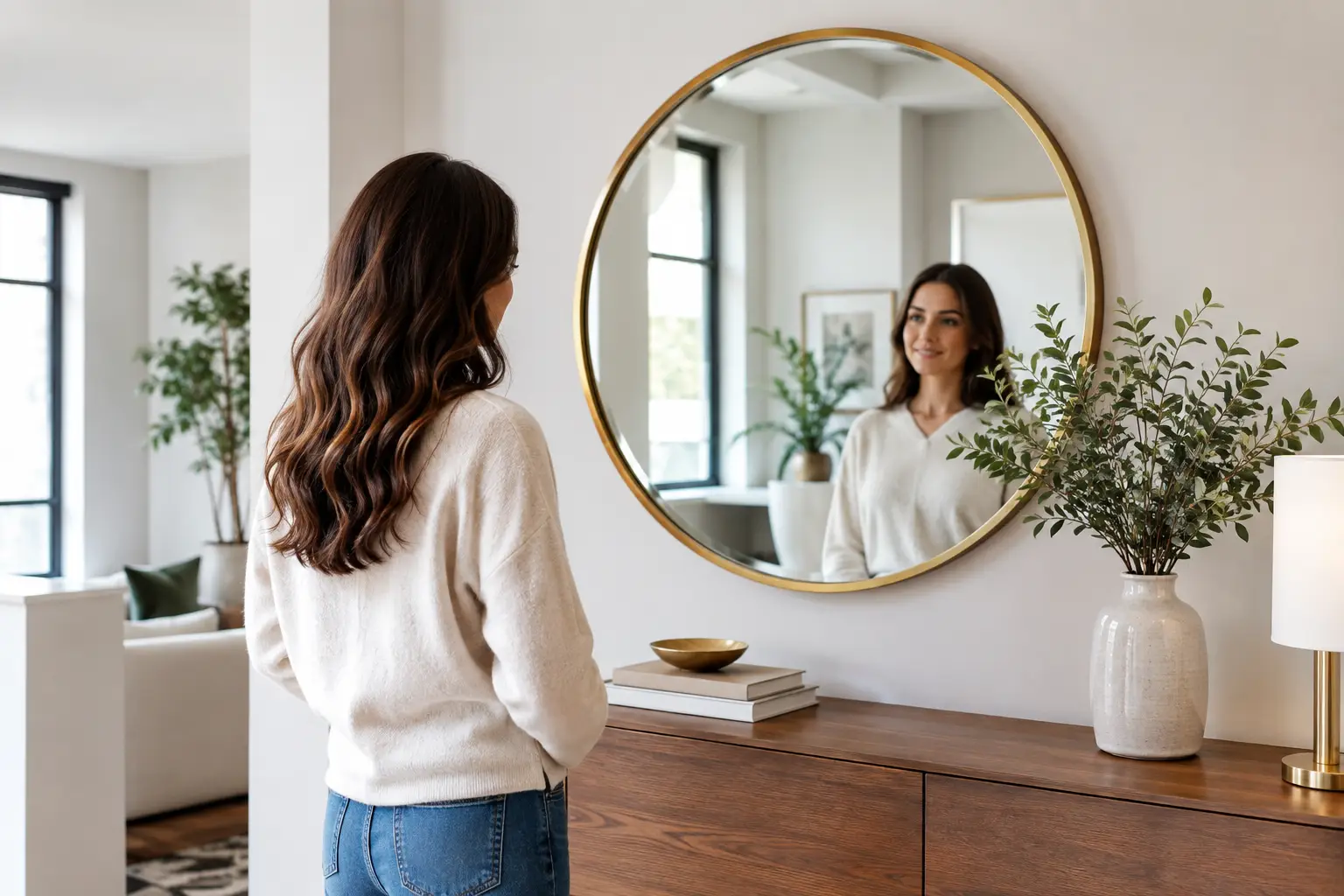
A statement mirror can do far more than offer a quick reflection before you leave the house. It can brighten a dim entryway, give a compact dining room more presence, or create the finishing point a beautifully furnished living room has been missing. Knowing how to choose a statement mirror comes down to balancing its visual impact with the proportions, light, and daily function of the room.
The best choice feels intentional from every angle. It has enough scale to command attention, a shape that complements the architecture and furnishings around it, and a finish that adds distinction without competing for it. Think of it as functional decor with the power to reset an entire room.
Start With the Wall, Not the Mirror
Before falling for an ornate frame or sculptural silhouette, consider the wall it will occupy. A statement mirror needs room to breathe. On a large blank wall, a petite piece can look accidental, while an oversized mirror on a narrow wall can make the space feel crowded rather than refined.
Measure the width and height of the available wall area, then account for nearby furniture, sconces, doors, and artwork. If the mirror will hang above a console, sideboard, fireplace, or vanity, a useful starting point is to choose one that is roughly two-thirds to three-quarters the width of the furniture below it. This keeps the composition grounded and gives the mirror a confident, tailored appearance.
Height matters just as much. In an entryway or bedroom, a full-length mirror should allow most people in the home to see themselves comfortably, while leaving a little visual space between the frame and the floor. Above furniture, hang the mirror low enough that it relates to the piece beneath it, rather than floating too high on the wall. Usually, a gap of four to eight inches creates a polished connection, though tall ceilings and dramatic frames may call for a little more flexibility.
Choose a Shape That Changes the Mood
Shape is one of the quickest ways to set a room’s tone. A rectangular mirror feels structured and versatile, making it an excellent choice for transitional, modern, and tailored interiors. Hang one vertically to emphasize ceiling height, or horizontally to make a wall appear wider.
Round mirrors soften rooms full of straight lines. They are especially effective above a streamlined console, a double vanity, or a mantel with angular decor. Their curves introduce balance without requiring additional ornament, which makes them a favorite for homes that lean clean and contemporary.
Arched mirrors bring a more architectural, collected feel. A tall arch can make a standard entryway look grander, while a gently curved top can add sophistication to a bedroom or dining room. For a more expressive focal point, consider asymmetrical, wavy, sunburst, or organically shaped designs. These pieces work best when the rest of the wall is relatively quiet. Let the mirror be the art.
How to Choose a Statement Mirror by Room
A mirror should always earn its place. The right design varies depending on whether the room needs more light, more function, or simply a stronger point of view.
Entryway: Create an Arrival Moment
An entryway mirror should be useful for a final glance, but its larger role is to make the home feel welcoming from the first step inside. A tall arched mirror, a substantial round frame, or an antique-inspired rectangular design can bring instant presence to this often-overlooked space.
If your entry is narrow, choose a mirror with a slimmer profile and place it where it can reflect an adjacent room or a light source. Avoid reflecting visual clutter, such as a shoe drop zone or a packed coat rack. What the mirror doubles becomes part of the experience.
Living Room: Reflect Light and Layered Style
In a living room, a statement mirror often takes the place of art above a fireplace, sofa, or console. Select a scale that holds its own against the furniture, particularly in rooms with high ceilings or generously sized seating.
A metal-framed mirror can sharpen a modern space, while warm wood, antiqued gold, or carved detailing can bring depth to a more traditional setting. If the room already has bold artwork, patterned upholstery, or a dramatic wallpaper, a simpler mirror with a beautifully finished frame may be the more luxurious choice. Statement does not always mean elaborate.
Bedroom: Add Softness and Everyday Function
Bedrooms benefit from mirrors that feel calming rather than overly formal. A full-length leaning mirror can create an effortless boutique feel, especially beside a dresser or near a dressing area. A rounded or arched style softens upholstered beds, square nightstands, and crisp bedding.
Be thoughtful about placement. Some homeowners prefer not to have a mirror directly facing the bed, while others appreciate the brightness and depth it brings. There is no universal rule here. Choose the placement that makes your personal retreat feel most comfortable.
Bathroom: Balance Beauty With Practical Details
A bathroom mirror works hard, which means performance matters alongside style. Above a single vanity, keep the mirror slightly narrower than the vanity itself. For a double vanity, two coordinating mirrors can provide symmetry, while one wide statement mirror offers a more expansive, design-forward look.
Look for a finish suited to moisture and regular cleaning. Frameless designs feel crisp and minimal, but a framed mirror in brass, black, natural wood, or polished chrome can tie together hardware and lighting with more character. In a powder room, where function is simpler and guests notice every detail, this is an ideal place to choose something unexpected.
Let Light Guide the Placement
Mirrors are often chosen to make a room feel brighter, but placement determines whether they truly do. Position a mirror across from or adjacent to a window when possible, so it can capture daylight and distribute it through the room. In the evening, it can also reflect the warm glow of a pendant, chandelier, or table lamp.
There is a trade-off. A mirror placed directly opposite a window may reflect an uninspiring view, strong glare, or too much street activity. In that case, place it at a slight angle or on a neighboring wall. The goal is not merely to reflect light. It is to reflect the best part of the room.
For darker spaces, consider the frame carefully. A pale wood, antiqued brass, or softly gilded finish can add warmth without feeling heavy. Black and dark bronze frames create striking contrast, particularly against light walls, but they may absorb more visual weight in a compact room.
Match the Frame to Your Existing Finishes
A statement mirror does not need to match every finish in the room. In fact, interiors often feel more collected when metals and materials are thoughtfully mixed. The key is repetition. If you choose a warm brass frame, echo that warmth in a lamp base, cabinet hardware, picture frame, or accent object nearby.
Wood frames bring texture and a sense of craftsmanship. Light oak and natural finishes suit relaxed, organic spaces; darker walnut feels richer and more tailored. Metal frames can range from quietly minimal to distinctly glamorous, depending on their profile and finish. A slim black edge feels architectural, while a wider gold frame creates a more decorative moment.
Consider the frame as you would a piece of furniture. A chunky, carved profile needs enough visual space around it. A thin frame gives the glass more prominence and is often better for smaller rooms where you want the effect of a mirror without added bulk.
Decide How Much Drama the Room Can Hold
The most memorable rooms have a clear hierarchy. If the mirror is meant to be the focal point, allow it to lead. Pair it with restrained styling below: a console, a small lamp, a sculptural bowl, or a single vase with natural branches. Overfilling the surface beneath a dramatic mirror can dilute its impact.
If the room already has a standout chandelier, patterned rug, gallery wall, or richly veined stone fireplace, choose a statement mirror with a quieter silhouette. Its scale can still be impressive, but its finish and detailing should support the room rather than compete with it.
This is where premium design feels most considered. A well-chosen mirror does not ask for attention through excess. It creates balance, reflects the life happening around it, and gives the room a sense of completion.
Check Construction Before You Commit
A beautiful mirror should also feel worthy of its place in your home. Review the frame material, glass quality, hanging hardware, overall weight, and installation requirements before making a final choice. Larger mirrors may require wall anchors, studs, professional installation, or anti-tip hardware if they are leaning rather than mounted.
For a bathroom, verify that the product is appropriate for humid environments. For a household with children or pets, secure full-length and oversized designs carefully. These practical details protect both the piece and the people enjoying it.
When curating a home that feels elevated every day, choose the mirror that makes you pause when you walk past it. The right piece brings more than reflection – it gives light, proportion, and personality a place to gather.









Leave a comment