
Home Automation Trends That Make Life Better
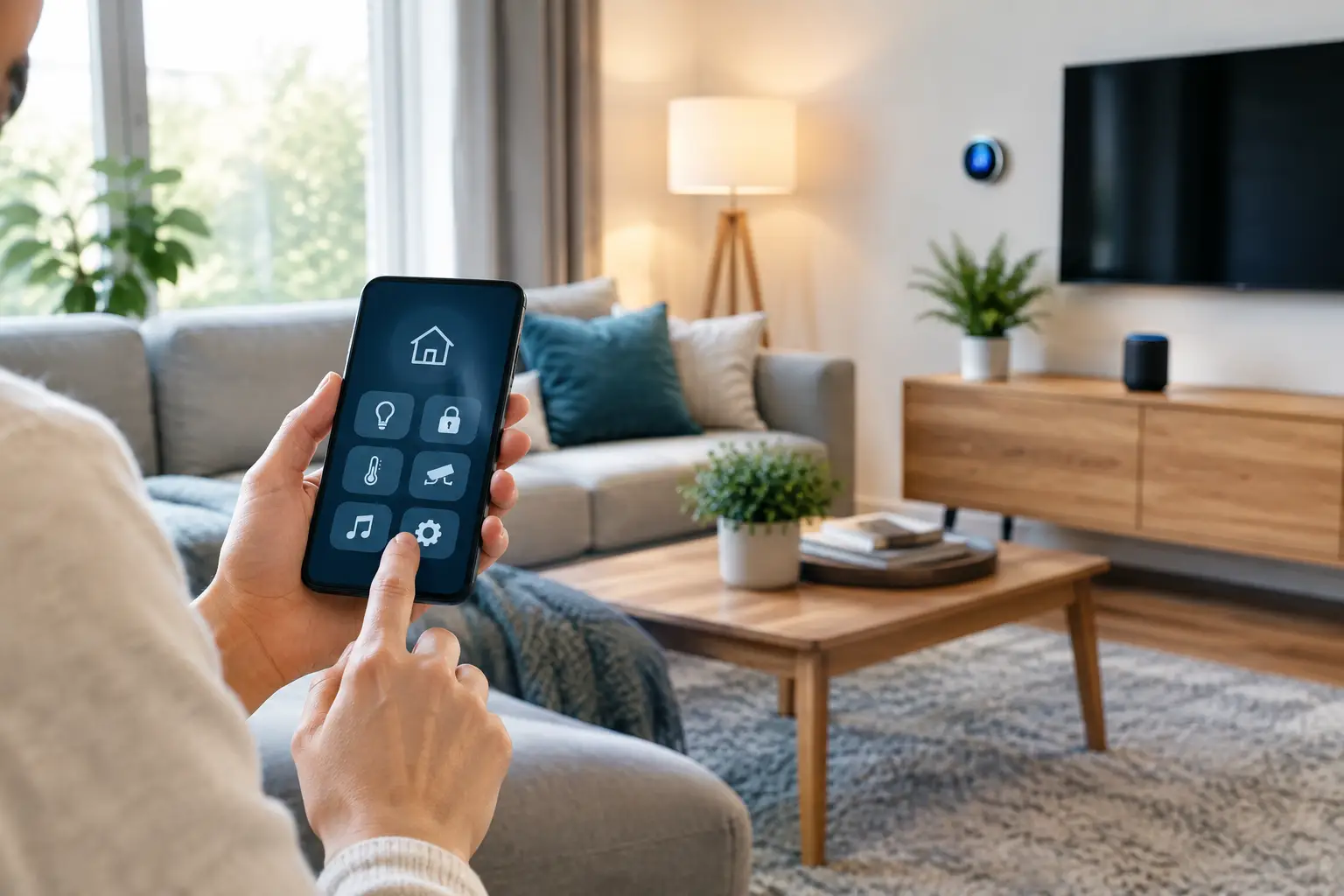
The most appealing smart homes no longer announce themselves with blinking screens and voice commands from every corner. They simply feel better to live in: the entry is well lit when you arrive, the temperature settles before bedtime, and the home works a little harder so you do not have to. The home automation trends gaining attention now are less about novelty and more about creating an elegant, responsive setting for everyday life.
For homeowners and renters alike, the opportunity is not to fill every room with connected devices. It is to choose a few thoughtful upgrades that improve comfort, efficiency, security, and atmosphere without disrupting the design of the space.
Home Automation Trends Are Becoming More Intentional
Early smart-home products often asked people to adapt their routines around an app. The next generation is more refined. It is designed to support routines already in place, from a gentle morning wake-up sequence to a secure evening arrival.
This shift matters because technology now belongs in rooms with higher aesthetic expectations. A sculptural lamp, a beautiful thermostat, discreet speakers, or a well-designed control panel can contribute to a considered interior rather than compete with it. Premium automation should feel like part of the home, not an accessory added after the fact.
Interoperability is also improving. Many newer products are built to communicate across common smart-home ecosystems, which makes it easier to combine lighting, locks, sensors, appliances, and entertainment without committing to a single manufacturer. Compatibility still deserves a close look before purchasing, especially when adding products to an existing setup, but the experience is becoming far less fragmented.
The Home Automation Trends Worth Watching
Lighting that follows the rhythm of the day
Smart lighting remains one of the most worthwhile places to begin because the result is immediate. The newest approach is not simply changing bulbs from a phone. It is using layered lighting to support how a room is used at different hours.
Warm, lower light can create a calmer setting for dinner or reading, while cooler, brighter light supports focused work in a home office. Motion sensors can softly illuminate a hallway at night, and timed shades can let daylight do more of the work in the morning. These small adjustments bring polish to daily routines while reducing unnecessary energy use.
The best installations preserve choice. Automated scenes are useful, but every household should still have simple physical controls for guests, children, and moments when the preferred setting changes. A smart home should never make turning on a light feel complicated.
Energy management with real practical value
Energy-conscious automation is moving from a niche interest to a core home consideration. Smart thermostats learn schedules, room sensors identify spaces that run too warm or cool, and connected plugs reveal which appliances are quietly consuming power.
For larger homes, zoning is especially compelling. There is little reason to heat or cool every area to the same level when bedrooms, offices, and gathering spaces have different needs throughout the day. Automated temperature schedules can make a home more comfortable while helping manage utility costs.
The trade-off is that savings depend on the home itself. Insulation, local climate, household habits, and the age of an HVAC system all matter. A smart thermostat is not a substitute for maintenance, but it can make an already well-kept home more efficient and responsive.
Security that feels discreet, not intrusive
Smart locks, video doorbells, exterior cameras, and leak detectors continue to be among the most practical home automation trends. They offer a welcome sense of awareness, particularly for frequent travelers, busy families, pet owners, and anyone receiving regular deliveries.
The strongest security systems focus on useful alerts rather than constant notifications. A water sensor beneath a sink can warn of a leak before it damages cabinetry. A smart lock can confirm that a door is secured after everyone has left. Outdoor lighting can activate when someone approaches a walkway, adding both safety and curb appeal.
Privacy should guide every decision in this category. Choose products with clear account protections, two-factor authentication, and settings that allow you to control recording, sharing, and notifications. Cameras can be valuable near entries and exterior spaces, but they do not belong everywhere. Thoughtful placement protects the home without making it feel watched.
Kitchens that simplify the busiest moments
The kitchen is becoming a quieter center of smart-home convenience. Connected ovens can send cooking alerts, countertop appliances can offer guided settings, and voice or display controls can keep timers, recipes, and shopping reminders within reach when hands are occupied.
Not every connected kitchen product earns its counter space. The most useful ones solve a repeated problem: preventing overcooking, streamlining morning coffee, checking appliance status, or helping coordinate a family meal. A premium kitchen should still feel inviting and tactile, so favor technology that supports the ritual of cooking rather than replacing it.
Smart faucets are another category to watch, particularly in busy kitchens and bathrooms. Touchless operation and precise temperature controls can improve convenience and hygiene. As with any fixture, finish quality, water compatibility, and long-term serviceability matter just as much as the smart features.
Air, sleep, and personal comfort
Wellness-focused automation is becoming more sophisticated and more personal. Air-quality monitors can track particulate matter, humidity, and carbon dioxide levels. Connected purifiers and humidifiers can respond when conditions change, helping create a more comfortable bedroom, nursery, or home office.
Sleep is also influencing product design. Blackout shades can close on schedule, quiet fans can adjust through the night, and bedside lighting can fade gradually rather than switching off abruptly. These are modest details, but they can make a meaningful difference in how a room supports rest.
There is an important distinction between useful monitoring and unnecessary data collection. Choose wellness products that provide understandable information and practical actions. A device that creates anxiety without offering a clear benefit is not an upgrade.
Build Around Routines, Not Individual Devices
A beautiful smart home begins with a few moments that happen often. Consider the arrival home after work, the first hour of the morning, leaving for a weekend, or preparing the house for sleep. Each routine can suggest a small collection of products that work well together.
For example, an arrival routine might include an entry light, a smart lock, a comfortable thermostat setting, and a lamp in the living room. A nighttime routine may lower shades, dim common-area lights, confirm exterior doors are locked, and adjust the bedroom temperature. The result feels considered because it serves a real pattern of life.
Start with one room or one routine rather than purchasing a large collection at once. This approach gives you time to learn what your household genuinely uses. It also makes it easier to select finishes, materials, and control methods that suit the rest of your home.
Choose Technology That Will Age Gracefully
The most luxurious automation is often the least visible. Look for devices with a restrained profile, quality materials, and controls that remain intuitive even if an internet connection fails. Products that depend entirely on a subscription or cloud service deserve extra scrutiny, since ongoing fees and changing policies can affect their value over time.
It is wise to think about the people who share the home, too. A system should be easy for a partner, a houseguest, a teenager, or a service professional to understand. Physical switches, backup keys, and clear permissions are not old-fashioned details. They are part of good design.
For those curating a more connected home, Vellenor’s approach to elevated living offers a useful principle: choose pieces that deliver daily value while complementing the atmosphere you want to create. A well-placed smart feature can bring convenience, but it should also preserve the warmth, calm, and character that make a house feel personal.
The right upgrade is rarely the one with the longest feature list. It is the one that quietly improves a familiar moment, then becomes so natural that you cannot imagine the room without it.









Leave a comment