
How to Upgrade Your Patio Lighting for Style
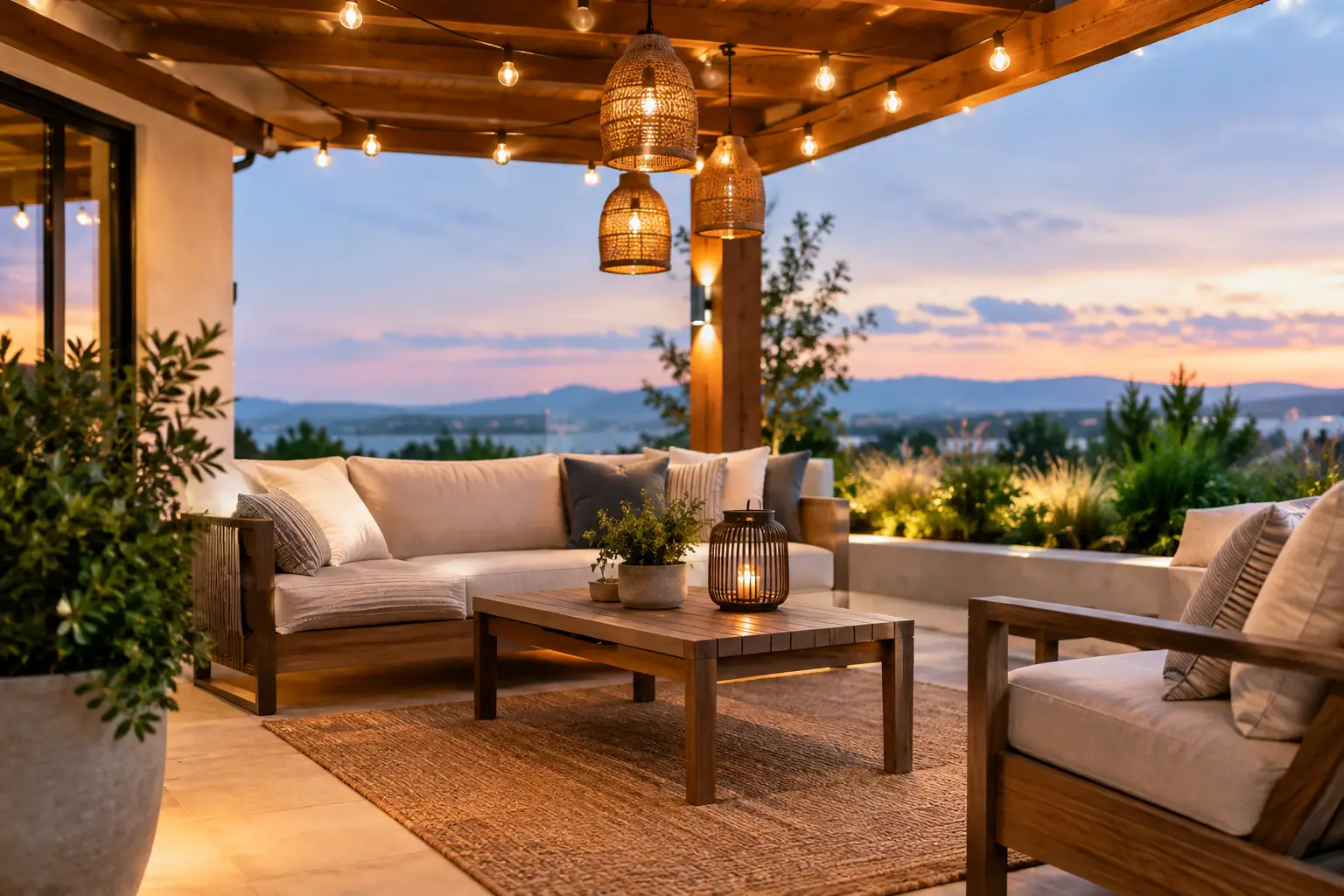
A patio can have beautiful furniture, lush planters, and a perfectly set table, yet still feel unfinished once the sun goes down. The difference is rarely more decor. It is lighting with intention. Knowing how to upgrade your patio lighting means creating a setting that feels welcoming from the first evening drink to the last conversation of the night – with enough illumination to move comfortably and enough softness to preserve the mood.
The most inviting outdoor spaces do not rely on one bright fixture overhead. They use layers of light, placed at different heights and serving different purposes. The result feels considered, relaxed, and distinctly more luxurious.
Start With the Way You Use the Patio
Before selecting fixtures, consider what happens on your patio after dark. A compact balcony used for quiet reading needs a different approach than a spacious dining terrace that hosts weekend gatherings. Lighting should support the experience rather than compete with it.
Think about the main seating area, walkways, steps, grill station, dining table, and any standout architectural or garden feature. These are your lighting zones. A seating arrangement benefits from warm, low-level ambiance. Steps and pathways require clear, practical visibility. A sculptural planter, pergola, or mature tree can become an elegant focal point with a subtle wash of light.
This initial plan also helps you avoid a common mistake: buying several attractive lights that all do the same job. A collection of string lights may look charming, for example, but it will not reliably illuminate a stair edge or make outdoor cooking easier.
Build a Layered Outdoor Lighting Scheme
A refined patio usually has three lighting layers: ambient, task, and accent lighting. You do not need an elaborate hardwired installation to use this approach. The goal is simply to give each area the right type of illumination.
Create ambiance with overhead and perimeter light
Ambient lighting establishes the overall atmosphere. Outdoor-rated string lights are a natural choice for patios because they add a soft canopy of glow over a dining or lounge area. Choose warm white bulbs rather than stark cool white, and look for commercial-grade strands with a substantial cord and shatter-resistant bulbs. They tend to look more polished and hold up better through changing weather.
If you have a pergola, covered porch, or overhead beam, hang strands in clean parallel lines or a gentle crisscross pattern. On an open patio, use sturdy posts, trees, or exterior mounting points designed to handle the weight and tension. Avoid drooping lines that cut across sightlines or hang too low over a table.
Wall sconces are another strong ambient option near exterior doors or covered sitting areas. They add a tailored, architectural finish and make the patio feel like a true extension of the home. A dimmable fixture gives you greater flexibility, especially if the patio shifts between family dinners and more intimate evenings.
Add task lighting where precision matters
Task lighting is less romantic, but it is what makes an outdoor area easy to use. Place focused light near the grill, outdoor kitchen counter, bar cart, or dining table. A weather-rated portable lamp can be especially useful here, bringing light exactly where it is needed without adding a permanent fixture.
For dining, avoid placing a bright bulb directly above eye level. It can create harsh shadows and make guests feel as though they are sitting under a spotlight. A pendant over a covered table, a nearby wall sconce, or a pair of rechargeable table lamps creates a more flattering effect.
Use accent lighting for depth and character
Accent lights are where a patio starts to feel personal. Uplighting at the base of a tree or tall planter can create dramatic texture. Small directional lights aimed across a stone wall, textured fence, or garden bed reveal materials that disappear in the dark.
The key is restraint. Highlight one or two worthy features instead of lighting every border, pot, and corner. A few well-placed accents create depth; too many can make an outdoor space feel busy or overly staged.
Choose Warm Light and Thoughtful Brightness
Light color has an immediate effect on how a patio feels. For most entertaining spaces, select bulbs in the 2200K to 2700K range. This warm, candle-like light complements natural wood, woven textures, upholstery, and greenery. It also feels more inviting against the darker backdrop of evening.
Brightness should match the location. Brighter light belongs at doors, steps, grills, and pathways. Softer light belongs around sofas, lounge chairs, and dining settings. If a patio feels glaring rather than cozy, the problem is often not the number of fixtures but the brightness of the bulbs or the direction of the light.
Dimmers, timers, and smart controls offer a premium finishing touch. Set lights to come on around sunset, lower them after dinner, or adjust a single zone without interrupting the evening. If you rent or prefer a simpler setup, rechargeable lamps and solar fixtures can provide flexibility without electrical work.
Make Safety Look Beautiful
A stylish patio should also feel effortless to navigate. Illuminate every change in elevation, including steps, raised deck edges, and transitions between the patio and lawn. Low-profile step lights, recessed deck lights, or shielded path lights can provide clear guidance without flooding the entire yard with brightness.
Path lights work best when they lead the eye along a route rather than line up like runway markers. Stagger them gently along one side of a walkway, or place them near turns and level changes. Keep the beam directed downward to reduce glare and prevent light from spilling into neighboring properties.
For electrical fixtures, look for a wet-location rating when the light will be fully exposed to rain and snow. Damp-location fixtures are appropriate only for protected areas such as covered porches. This distinction matters for both longevity and safety. Outdoor extension cords, plugs, and connections should also be rated for exterior use and kept clear of standing water.
How to Upgrade Your Patio Lighting Without Overdoing It
The most successful updates often begin with one meaningful improvement. Replace a dated porch fixture, add a pair of portable lamps to the dining table, or define the seating area with warm string lighting. Live with the change for a few evenings before adding another layer.
This measured approach is useful because every patio has different surroundings. A city balcony may need privacy-friendly, low-glare lighting, while a large backyard can accommodate wider pools of illumination. Homes with mature landscaping may need fewer fixtures because foliage and architectural elements already create visual interest. A minimalist patio may call for sleek sconces and hidden path lighting, while a more relaxed setting can carry lanterns, woven shades, and softly glowing globes.
Consistency will make the final look feel curated. Repeat one finish, such as matte black, brushed brass, or natural woven material, across the most visible pieces. You do not need every fixture to match exactly, but they should share a common visual language. Mixing styles can be appealing when done intentionally; mixing too many bulb shapes, color temperatures, and finishes usually feels accidental.
Add Portable Light for an Easy Luxury Upgrade
Rechargeable outdoor table lamps are one of the simplest ways to make a patio feel more elevated. Place one on each side table, cluster two or three down the center of a dining table, or use one beside a lounge chair. Their soft pool of light encourages guests to settle in, and they can move wherever the evening needs them.
Lanterns offer a similar effect, particularly when grouped at different heights near an entry or tucked beside planters. Choose designs made for outdoor use, and use flameless candles when you want a worry-free glow around children, pets, or breezy conditions. Real candles can be beautiful, but they demand attention and are not the best choice for every setting.
Let the Evening Set the Standard
Install and test lighting after sunset, not just during the day. Walk the patio as a guest would. Sit in each chair, stand at the grill, carry a drink to the door, and look back at the space from inside the home. This reveals glare, dark spots, and fixtures that are brighter than they appeared in daylight.
A well-lit patio does more than make the outdoors visible. It gives ordinary evenings a sense of occasion, making the space feel warmer, more comfortable, and ready whenever you are.










Leave a comment