
Induction Gas Cooktops for a Refined Kitchen
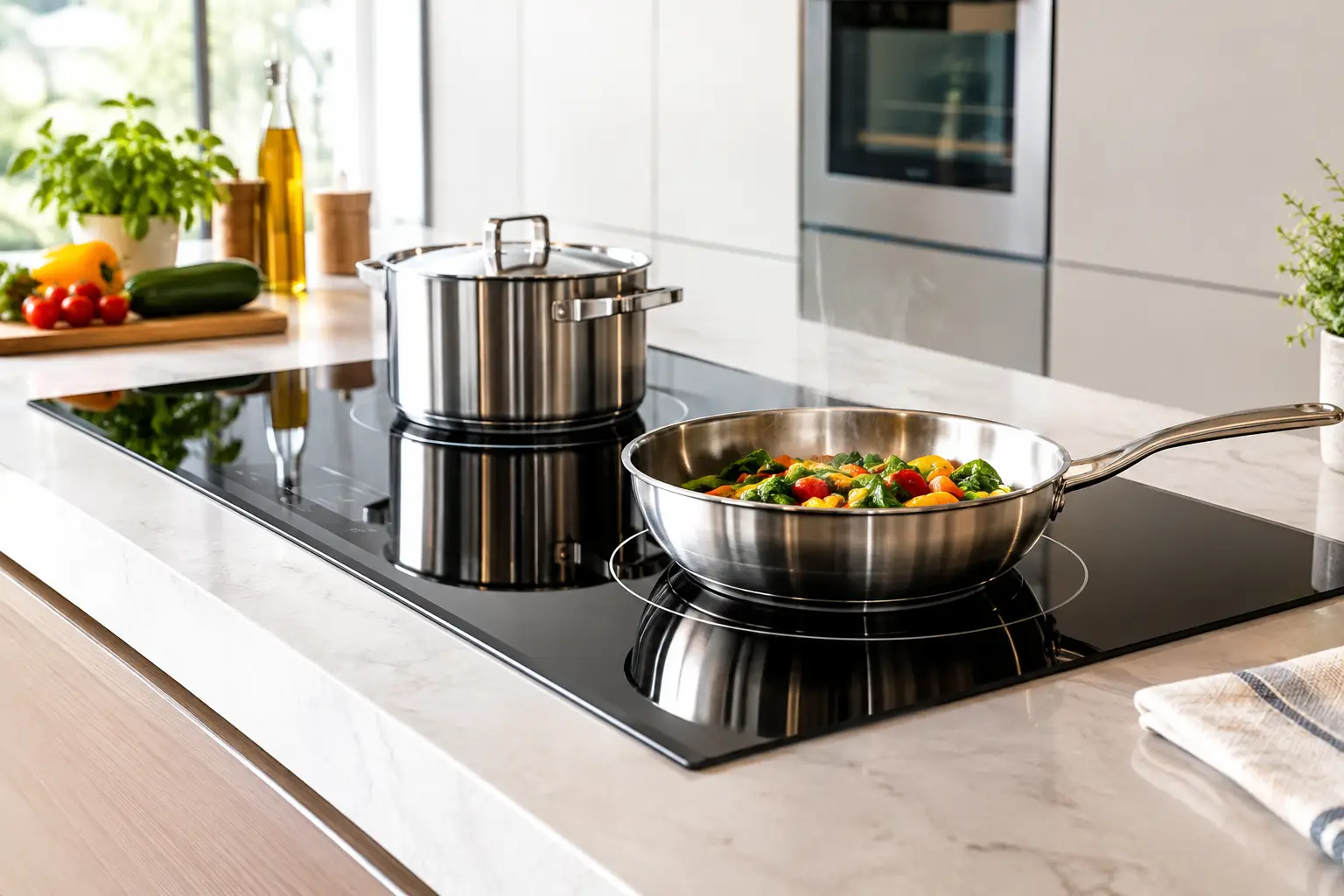
A kitchen can look beautifully considered and still fall short at the moment dinner begins. For households that want the quick response of a live flame without giving up the controlled performance of electric cooking, induction gas cooktops offer a compelling middle ground. These hybrid surfaces bring two distinct cooking styles into one polished focal point, making them especially appealing for design-conscious cooks who value both flexibility and finish.
What Are Induction Gas Cooktops?
Despite the name, induction gas cooktops are not a single burner that runs on both induction and gas. They are hybrid cooktops that combine separate induction zones with traditional gas burners on the same surface. One side may feature a sleek black-glass induction area, while the other holds cast-iron grates and gas burners for open-flame cooking.
That distinction matters when comparing models. Induction uses electromagnetic energy to heat compatible cookware directly. The cooking surface itself stays comparatively cool, responds quickly to temperature changes, and offers a clean, minimalist appearance. Gas heats through a visible flame, working with nearly any pan and giving many cooks the visual feedback they prefer for sautéing, charring, and handling a wok.
A hybrid design does not ask you to choose one cooking philosophy for every meal. It gives you a composed, high-performance setup built around how people actually cook.
Why a Hybrid Cooktop Feels So Considered
The appeal begins with choice, but it extends well beyond convenience. Induction is exceptional for tasks that reward consistency: melting chocolate, simmering a delicate sauce, holding soup at a gentle temperature, or bringing a large pot of water to a boil efficiently. Many premium induction zones also include bridge functions, allowing an oblong griddle or roasting pan to heat more evenly.
Gas remains a favorite for cooking that benefits from flame contact and immediate visual control. It is well suited to blistering peppers, working with a rounded wok, or simply cooking with familiar pans that are not magnetic. If a household includes cooks with different preferences, a dual-fuel surface can feel less like a compromise and more like thoughtful hospitality.
There is also a visual advantage. A well-designed hybrid cooktop can balance modern glass with substantial metal controls, sculptural grates, and refined burner caps. In a kitchen defined by stone counters, warm cabinetry, or contemporary fixtures, that contrast can introduce character without sacrificing a tailored appearance.
Induction Gas Cooktops: The Benefits and Trade-Offs
The strongest reason to choose a hybrid model is versatility. You can reserve induction for efficient daily cooking and turn to gas when a recipe or piece of cookware calls for it. This can be particularly valuable in a busy family kitchen, where one person may be simmering pasta sauce while another uses a wok for a quick weeknight stir-fry.
Induction also offers a practical safety benefit. Since the pan is the primary heat source, the surrounding surface does not get as hot as a conventional electric element. Spills are often easier to wipe away, especially before they bake onto the glass. Gas, however, introduces open flame and hot grates, so the cooktop still requires attentive use and a sensible layout away from loose towels or crowded traffic paths.
The trade-off is complexity. A hybrid cooktop needs both a suitable electrical connection for induction and a gas supply for the burners. Installation can be more involved than replacing a basic gas or electric unit, and the product itself may carry a premium price. It also combines two cleaning routines: smooth glass requires gentle care to avoid scratching, while burner components and grates need occasional removal and cleaning.
For some homes, a full induction cooktop is the more elegant answer. For others, especially those who cook frequently with open flame or want a reliable familiar option beside newer technology, the hybrid format earns its place.
How to Choose the Right Hybrid Cooktop
A premium appliance should fit the room and the rhythm of the household. Start with size, but look beyond the standard width. Measure the cutout, counter depth, clearance to surrounding cabinetry, and the distance to the ventilation hood. A 30-inch model may suit a compact kitchen renovation, while a 36-inch surface can provide a more generous cooking layout for frequent entertaining.
Consider the burner and zone layout
The number of cooking positions tells only part of the story. Look at how they are arranged. A large, powerful gas burner is useful for rapid boiling and oversized skillets, while a smaller simmer burner can make a real difference for sauces. On the induction side, consider whether the zones accommodate the pans you use most often and whether a bridge feature would suit griddles, fish pans, or larger cookware.
An attractive layout should also be functional. Controls should be easy to reach without leaning over active burners, and there should be enough breathing room between zones for multiple pots. Crowded surfaces can make even a beautifully appointed kitchen feel less enjoyable at mealtime.
Check your cookware before you buy
Gas works with stainless steel, aluminum, copper, cast iron, and most other cookware materials. Induction requires magnetic cookware. A simple magnet test offers a useful first indication: if a magnet sticks firmly to the base of a pan, it will generally work on induction.
Many kitchens already have compatible cast iron and magnetic stainless steel, but aluminum and copper favorites may need an induction-ready base or may be best saved for the gas burners. This is not necessarily a drawback. It can be an opportunity to edit a cookware collection with the same care used to select dinnerware, lighting, and serving pieces.
Plan for power, gas, and ventilation
Hybrid cooktops should be installed by qualified professionals. Induction zones typically need a dedicated electrical circuit, while gas burners require a properly installed gas line. Your installer should also confirm that the appliance is configured for natural gas or propane, depending on your home.
Ventilation deserves equal attention. Induction produces less ambient heat than gas, but gas cooking still creates combustion byproducts, steam, and cooking odors. A properly sized, externally vented range hood helps protect indoor air quality and keeps finishes fresher over time. For a premium kitchen, it is a performance feature as much as a visual one.
Design Details That Elevate the Space
Hybrid cooktops are available in several styles, and the details can influence the entire room. Black ceramic glass offers a crisp, architectural look against pale quartz or marble. Stainless steel frames and controls pair naturally with professional-style ovens and refrigeration. Matte black finishes can create a more dramatic, contemporary mood, particularly with dark cabinetry or brushed metal hardware.
Consider how the cooktop relates to the range hood and backsplash. Heavy grates bring a grounded, chef-inspired presence, while a nearly flush induction surface keeps the counterline visually calm. Neither is inherently better. The choice depends on whether your kitchen is meant to feel more sculptural and bold or more restrained and modern.
Control style also deserves attention. Knobs offer tactile certainty for gas burners and can add a traditional note to a contemporary appliance. Touch controls preserve the clean look of induction glass and are simple to wipe down. Some hybrid models blend both, which can be practical but may look busier. The best choice is one that feels intuitive enough to use without interrupting the pleasure of cooking.
Everyday Care for Lasting Performance
Clean the induction glass after it has cooled, using a soft cloth and a cleaner designed for ceramic surfaces. Avoid abrasive pads and dragging rough-bottomed cookware across the glass. For sugary spills, prompt cleaning is especially helpful, as residue can become stubborn when heated.
On the gas side, allow grates and burner caps to cool before removing them. Wipe up spills early, keep burner ports clear, and return each component to its proper position after cleaning so the flame burns evenly. A blue, steady flame is generally what you want to see. If flames are yellow, uneven, or difficult to ignite, arrange professional service rather than trying to adjust gas components yourself.
The hybrid format rewards small habits. Use the induction area for controlled, low-mess cooking when possible, keep a pan ready before activating a gas burner, and let the ventilation run a few minutes after cooking. These simple rituals preserve both the appliance and the calm, polished feel of the kitchen around it.
A cooktop should do more than heat a pan. It should support the way your home gathers, whether that means a quiet breakfast, a spontaneous dinner with friends, or a family meal prepared at full pace. Choose the configuration that makes those moments feel easier, more beautiful, and distinctly your own.











Leave a comment