
Air Fryer Versus Convection Oven: Which Fits?
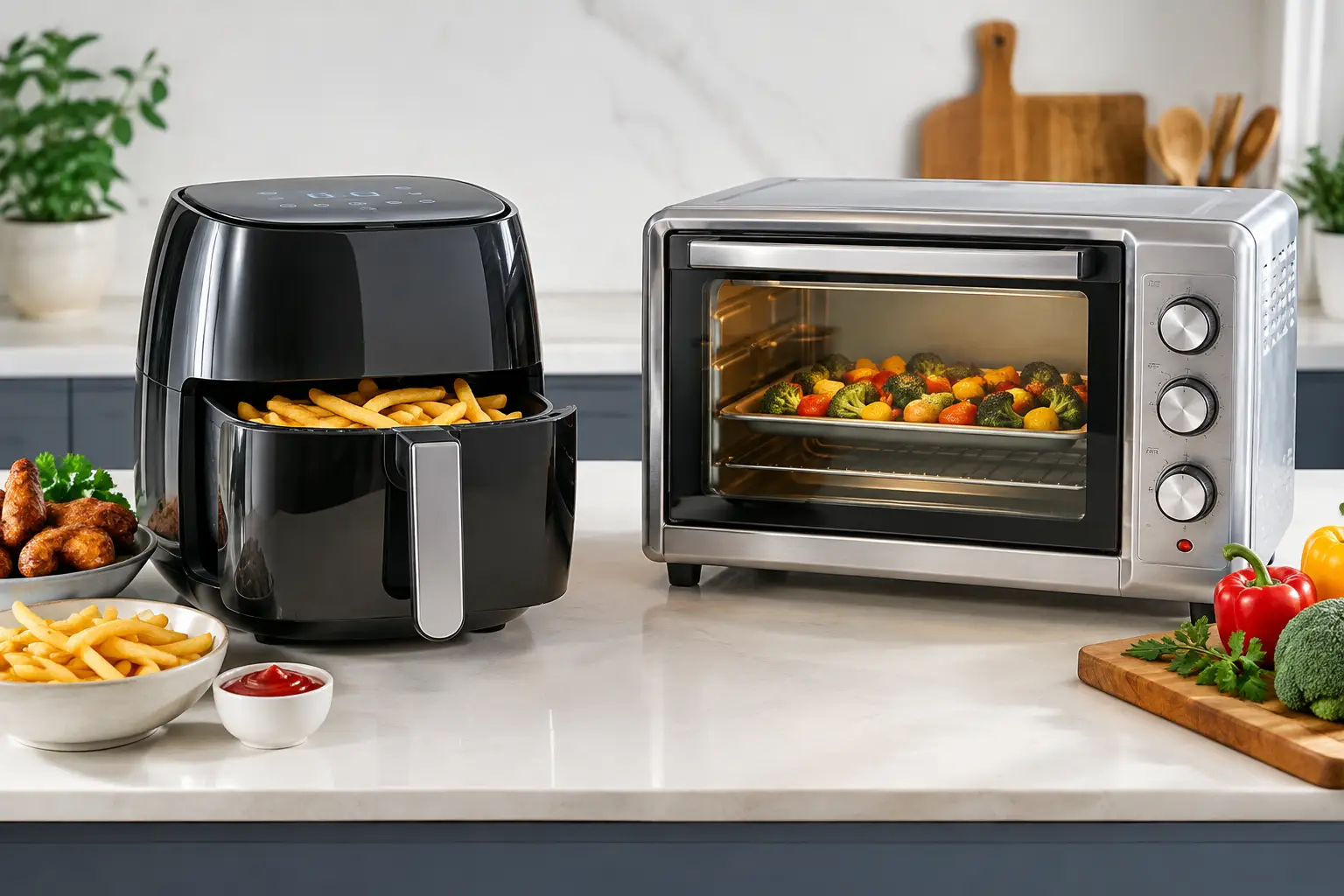
A crisp batch of rosemary potatoes, a quick salmon dinner, or a tray of warm cookies can make a kitchen feel more considered. But when choosing an air fryer versus convection oven, the right answer depends less on hype and more on how you cook, how many people you serve, and how much counter space you are willing to dedicate to everyday ease.
Both appliances use circulating hot air to create browned, satisfying results with less oil than traditional frying. Their similarities can make the decision feel unnecessary at first. Yet their size, speed, capacity, and versatility create two very different kitchen experiences. One excels at fast, compact meals; the other offers the flexibility of a polished all-purpose oven.
Air Fryer Versus Convection Oven: The Core Difference
An air fryer is essentially a compact, high-powered convection appliance. It moves very hot air rapidly around food in a small chamber, which is why it produces crisp edges and golden surfaces so efficiently. The smaller interior also heats quickly, often eliminating the need for preheating on weeknight meals.
A convection oven uses a fan to circulate hot air inside a larger oven cavity. This can be a full-size wall or range oven with a convection setting, or a countertop convection oven designed for smaller kitchens. The airflow supports more even browning and roasting than a conventional oven, but the larger space generally takes longer to heat and cook.
The practical distinction is simple: an air fryer is designed for speed and crispness in smaller portions, while a convection oven is designed for flexibility and volume. Neither is automatically more premium. The better choice is the one that makes your kitchen feel more capable rather than more crowded.
When an Air Fryer Earns Its Counter Space
For busy households, an air fryer can feel like a small luxury with a very practical purpose. It handles frozen appetizers, crispy vegetables, chicken thighs, salmon fillets, and reheated leftovers with impressive speed. Foods that can turn soft or uneven in a microwave often regain a more appealing texture in an air fryer.
Its compact chamber is the advantage. Because there is less empty space to heat, an air fryer usually cooks faster than a full-size oven and may use less energy for single servings or small meals. This makes it especially appealing for apartment living, quick lunches, after-school snacks, or dinners for one to three people.
Texture is another reason air fryers have become a kitchen favorite. Brussels sprouts develop caramelized edges, fries become crisp with a light coating of oil, and chicken skin can brown beautifully. The result is not identical to deep-frying, but it delivers the contrast people often want: a crisp exterior with a tender center.
There are trade-offs. Basket-style models can limit capacity, and food needs room for the air to circulate. Overfilling the basket leads to steaming instead of crisping, so larger meals may require multiple batches. Some items also need to be turned or shaken midway through cooking.
An air fryer makes the most sense if convenience is your primary goal. It is a refined solution for cooks who value speed, simple cleanup, and satisfying texture over large-format baking.
Best uses for an air fryer
An air fryer is particularly well suited to small, high-heat tasks: crisp vegetables, chicken wings, fish fillets, breakfast potatoes, quesadillas, frozen foods, and leftover pizza. It is also a smart choice when you want to avoid heating the entire kitchen during warm weather.
Look beyond the basket when comparing models. Oven-style air fryers with racks and rotisserie functions offer more flexibility, while drawer-style units tend to be simpler, faster, and easier to clean. A premium finish, intuitive controls, and a basket that fits easily into your routine can matter as much as raw wattage.
Why a Convection Oven Offers More Range
A convection oven is the more versatile option for households that cook full meals, entertain regularly, or prefer one appliance that can manage multiple tasks. Its larger interior can accommodate a roasting pan, a casserole dish, a sheet pan of cookies, or several servings of vegetables at once. That capacity creates a calmer cooking experience when dinner involves more than one component.
Convection is especially useful for roasting and baking. The circulating air helps vegetables brown more evenly, renders chicken skin beautifully, and can produce pastries with a crisp, golden finish. In many recipes, convection cooking also reduces cook time slightly or allows you to lower the temperature compared with a conventional oven.
For family-size meals, this is where a convection oven has a clear advantage. You can roast a whole chicken with vegetables, bake a large tray of cookies for guests, or prepare a complete sheet-pan dinner without working in batches. If the appliance is built into your range or wall oven, it also preserves valuable counter space and maintains a more streamlined kitchen aesthetic.
The compromise is speed. A full-size convection oven needs more time and energy to heat than an air fryer, particularly when you are making one small serving. It can also feel excessive for reheating a few mozzarella sticks or crisping a single portion of fries.
Best uses for a convection oven
Choose convection for large roasts, family dinners, baked goods, casseroles, sheet-pan meals, and entertaining. It is also the more natural choice for cooks who enjoy recipes that require precise vessel sizes, multiple racks, or consistent results across larger quantities.
Countertop convection ovens offer a middle ground. They can toast, bake, broil, and roast in a smaller footprint than a full-size oven, yet they generally fit more food than a basket air fryer. For a well-designed apartment kitchen, vacation home, or secondary prep space, this balance can be especially appealing.
Capacity, Cleanup, and Everyday Design
Capacity is often the deciding factor that shoppers underestimate. A compact air fryer may be ideal for two salmon portions and asparagus, but it may frustrate a family of four at dinner. A larger dual-basket model can solve part of that problem by cooking two foods at different temperatures, although its footprint can be substantial.
Convection ovens are better for volume, but their cleanup may require more attention. A baking sheet, roasting pan, or oven rack can mean more dishes after a meal. Air fryer baskets are often dishwasher-safe, though grease can collect around perforations and heating elements if the appliance is not cleaned regularly.
Design deserves consideration, too. Kitchen appliances are visible parts of the home, particularly in open-concept spaces. A well-proportioned stainless steel convection oven may blend naturally with existing finishes. An air fryer can be equally stylish, but it should earn its place on the counter through frequent use. If it will live in a cabinet, choose a model that is easy to lift, store, and bring out without becoming an inconvenience.
Which Appliance Is More Energy Efficient?
For small portions, an air fryer is typically more energy efficient because it heats a much smaller space and cooks quickly. This can be meaningful if you regularly prepare lunches, snacks, or quick dinners without needing a full oven.
For larger meals, a convection oven can be the more efficient choice because it cooks more food at once. Running an air fryer through three or four batches may erase its energy advantage and add time to the meal. The most efficient appliance is usually the one sized appropriately for the amount of food you are preparing.
How to Choose With Confidence
Choose an air fryer if your routine revolves around fast meals, crisp textures, smaller portions, and easy weeknight cleanup. It is a compelling addition for renters, couples, small families, and anyone who wants restaurant-style browning without deep-frying.
Choose a convection oven if you regularly cook for four or more people, bake often, host guests, or want one appliance that can handle everything from cookies to a holiday side dish. It offers broader capability and a more traditional cooking workflow.
If you already own a full-size convection oven, an air fryer can still be worthwhile as a complementary tool rather than a replacement. If counter space is limited and you need one versatile appliance, a quality countertop convection oven with air-fry functionality may offer the most elegant compromise.
The best kitchen is not defined by the number of appliances on display. It is shaped by the pieces that make daily cooking feel simpler, more beautiful, and more enjoyable. Choose the option that suits the meals you actually make, then give it a place in your routine worthy of its craftsmanship.












Leave a comment