A Guide to Raised Garden Planters for Better Yields
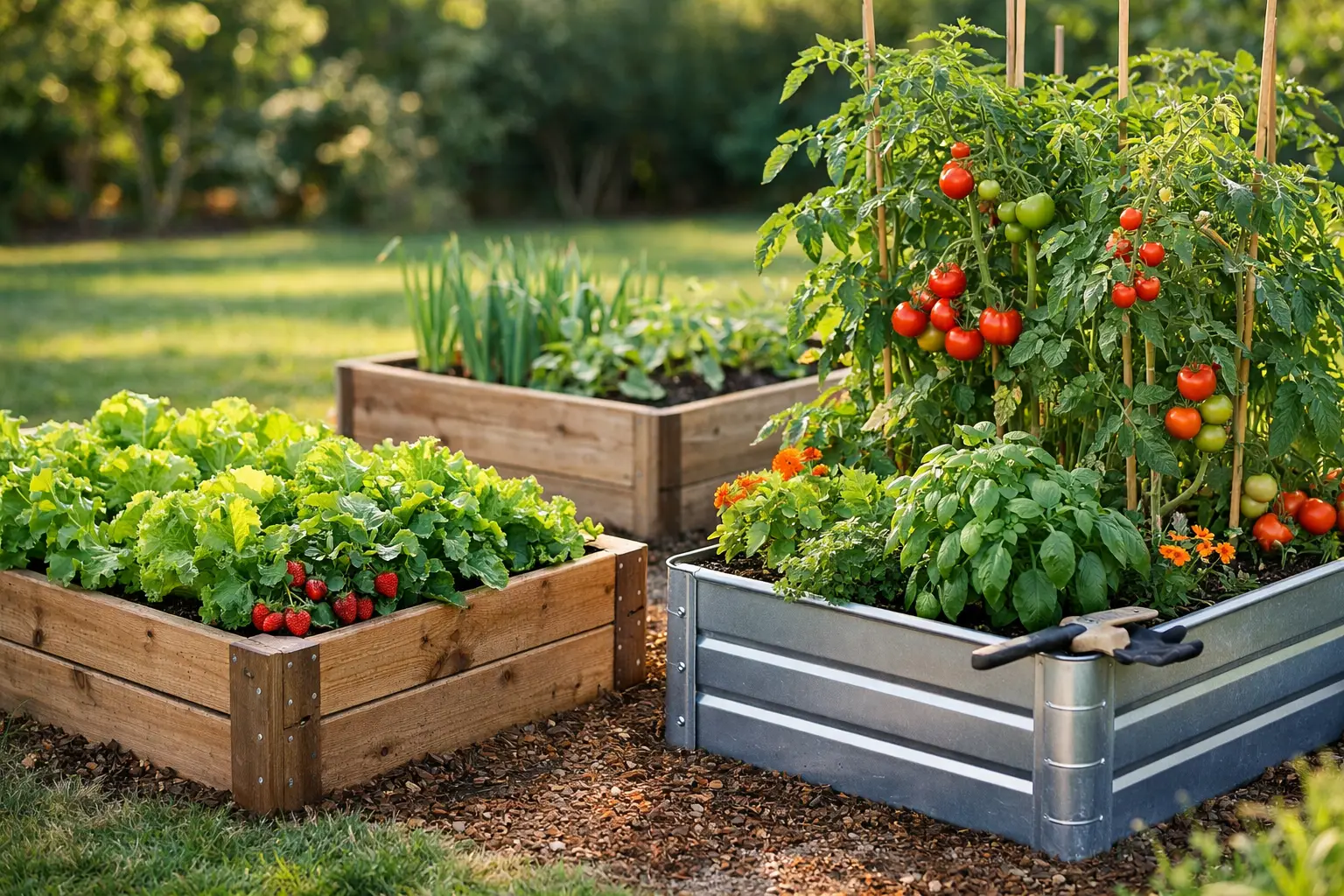
A beautifully planned garden does more than grow food and flowers – it gives a patio, balcony, or backyard a more considered sense of place. This guide to raised garden planters is designed for homeowners and style-minded gardeners who want healthy plants without sacrificing a polished outdoor setting. The right planter makes gardening easier to manage, more productive, and far more enjoyable to look at every day.
Why Raised Garden Planters Are Worth the Space
Raised planters lift the growing area above native ground level, creating a defined bed filled with soil you select. That simple difference offers meaningful advantages. You have greater control over soil quality, drainage, and spacing, while the contained shape keeps an outdoor area looking neat rather than unfinished.
They are especially useful where existing soil is compacted, rocky, sandy, or difficult to improve. For renters and small-space gardeners, a freestanding raised planter can create a garden without committing to a full landscape renovation. A well-designed planter also brings vegetables, herbs, and flowers closer to eye level, turning planting into an attractive feature rather than a hidden utility.
There are trade-offs. Raised beds dry out more quickly than in-ground gardens, particularly in hot, sunny locations. They also require an upfront investment in materials and quality soil. Still, for many households, the cleaner layout and more reliable growing conditions make them a smart upgrade.
Choosing the Right Raised Garden Planter
The best raised garden planter is not necessarily the largest one. It is the one that suits your available space, how much you want to maintain, and the visual character of your home.
Start With Location and Sun
Most vegetables, including tomatoes, peppers, cucumbers, and squash, need at least six to eight hours of direct sun. Leafy greens and many herbs can tolerate partial shade, which makes them better candidates for a covered patio or an east-facing balcony.
Before purchasing a planter, watch the space for a day. Notice where afternoon shade falls, whether nearby trees compete for light, and how easily you can reach a water source. A garden that looks perfect in one corner may be frustrating if it receives only three hours of morning sun or requires carrying watering cans across the yard.
Select a Size You Can Reach
For a planter accessible from both sides, four feet wide is usually the most comfortable maximum. You can reach the center without stepping into the soil, which protects its loose structure. If the planter sits against a fence or wall, keep it two to three feet wide.
Length is more flexible. A four-by-eight-foot bed offers generous room for a family kitchen garden, while a compact two-by-four-foot planter can produce herbs, lettuces, radishes, and a few carefully chosen seasonal favorites. On balconies, narrow trough-style planters may be the better fit.
Depth depends on what you intend to grow. Eight to 12 inches is enough for lettuce, herbs, strawberries, and many annual flowers. Plan for 12 to 18 inches for root vegetables, tomatoes, peppers, and larger edible plants. Deeper beds cost more to fill, so avoid extra depth unless your planting plan calls for it.
Choose Materials That Suit Your Setting
Wood has a warm, tailored appearance that fits naturally into gardens and patios. Cedar and redwood are popular premium choices because they resist rot and insects without requiring harsh chemical treatment. They cost more than basic lumber, but their durability and refined finish can justify the investment.
Powder-coated metal planters offer a crisp, contemporary look and can last for years. They are an excellent choice for modern outdoor spaces, although metal may heat quickly in intense summer sun. Positioning the bed where its sides receive some shade, or choosing a lighter finish, can help.
Composite materials are low-maintenance and often made to resemble wood, while galvanized steel brings a clean farmhouse or industrial note. Plastic beds are light and budget-friendly, but they may feel less substantial in a design-forward landscape. Whichever material you choose, confirm that it is intended for outdoor use and that the planter has adequate drainage.
Build a Soil Mix Plants Will Love
A raised bed is only as successful as the growing mix inside it. Do not fill it entirely with ordinary yard soil, which can become dense and poorly drained in a contained planter. Instead, choose a high-quality raised-bed mix or create a blend of topsoil, compost, and aerating material such as pine bark fines, perlite, or coarse sand.
A practical target is a mix that holds moisture but still feels loose when squeezed. Compost supplies organic matter and nutrients, while the mineral portion gives roots stability. For a new planter, fill close to the top, leaving roughly one to two inches below the rim for watering. Soil naturally settles over the first season, so expect to top it off with compost later.
Skip the old practice of lining the bottom with rocks. Rocks can interfere with the natural movement of water through the soil. If your planter is open to the ground, place it over grass or bare earth and use plain cardboard beneath it to suppress weeds. If it has a solid base, drainage holes are essential.
Plan What to Grow Before You Plant
A handsome raised bed can quickly become crowded when every seed packet looks tempting. Begin with the plants your household genuinely uses. A small herb garden filled with basil, parsley, thyme, chives, and mint in its own container may offer more daily value than a bed of unfamiliar vegetables.
For a productive summer planter, pair a few taller crops with lower-growing companions. Tomatoes can be supported along the north side of a bed so they do not shade basil, marigolds, or lettuce. Peppers, bush beans, and compact cucumbers work well in raised beds, provided climbing varieties have a trellis from the start.
Planting in succession extends the season. Cool-weather crops such as arugula, kale, peas, and radishes can go in early spring. When temperatures rise, replace them with basil, beans, or zinnias. In late summer, sow another round of greens for fall. This approach keeps the planter useful and visually fresh rather than allowing it to fade after one harvest.
For a more decorative arrangement, combine edibles and ornamentals. Nasturtiums spill elegantly over an edge, while calendula, lavender, and compact flowering annuals invite pollinators and bring color to the kitchen garden. The result feels more curated than a strictly utilitarian vegetable patch.
Watering and Maintenance Without the Guesswork
Raised beds need consistent moisture because exposed soil loses water faster than ground-level gardens. Deep, less frequent watering is generally better than light daily sprinkling. Aim water at the soil around the roots, ideally in the morning, and let the top inch of soil guide you. If it feels dry, it is time to water.
A layer of mulch makes a noticeable difference. Two to three inches of shredded leaves, untreated straw, or fine bark helps regulate soil temperature, reduces evaporation, and gives the bed a finished appearance. Keep mulch slightly away from plant stems to discourage rot.
Drip irrigation is worth considering for multiple beds or for gardeners who travel often. It delivers water directly to the root zone and removes much of the daily uncertainty. For one or two planters, a quality watering wand and a simple routine may be all you need.
Fertilizer should be based on what you are growing and how rich your soil is. Compost added at the start of each season supports most herbs and flowers. Heavy-feeding vegetables, especially tomatoes and peppers, may benefit from an organic vegetable fertilizer applied according to its label. More is not always better – excessive fertilizer can produce lush leaves at the expense of fruit.
Make the Planter Part of the Outdoor Design
Raised garden planters look their best when they feel intentional. Repeat a planter material or finish found elsewhere in the space, such as black metal patio furniture, warm wood decking, or neutral stone accents. Grouping planters in pairs or clean rows can bring structure to a larger yard, while a single statement planter can define a small terrace.
Consider comfort as well as appearance. Leave enough room to walk around the bed, pull up a chair, or set down a harvest basket. A narrow gravel path, outdoor lighting, and a discreet place for tools can make a garden corner feel like a destination. Vellenor’s approach to elevated living applies here: practical pieces become more rewarding when they are chosen with an eye for craftsmanship, proportion, and everyday use.
The most successful raised garden planter is one you will tend often. Start with a scale that feels inviting, choose materials that complement your home, and plant a few things you will be glad to pick. A thoughtfully planted bed has a way of making even an ordinary afternoon outdoors feel more considered.









Leave a comment