Ergonomic Office Chair Review: What Matters
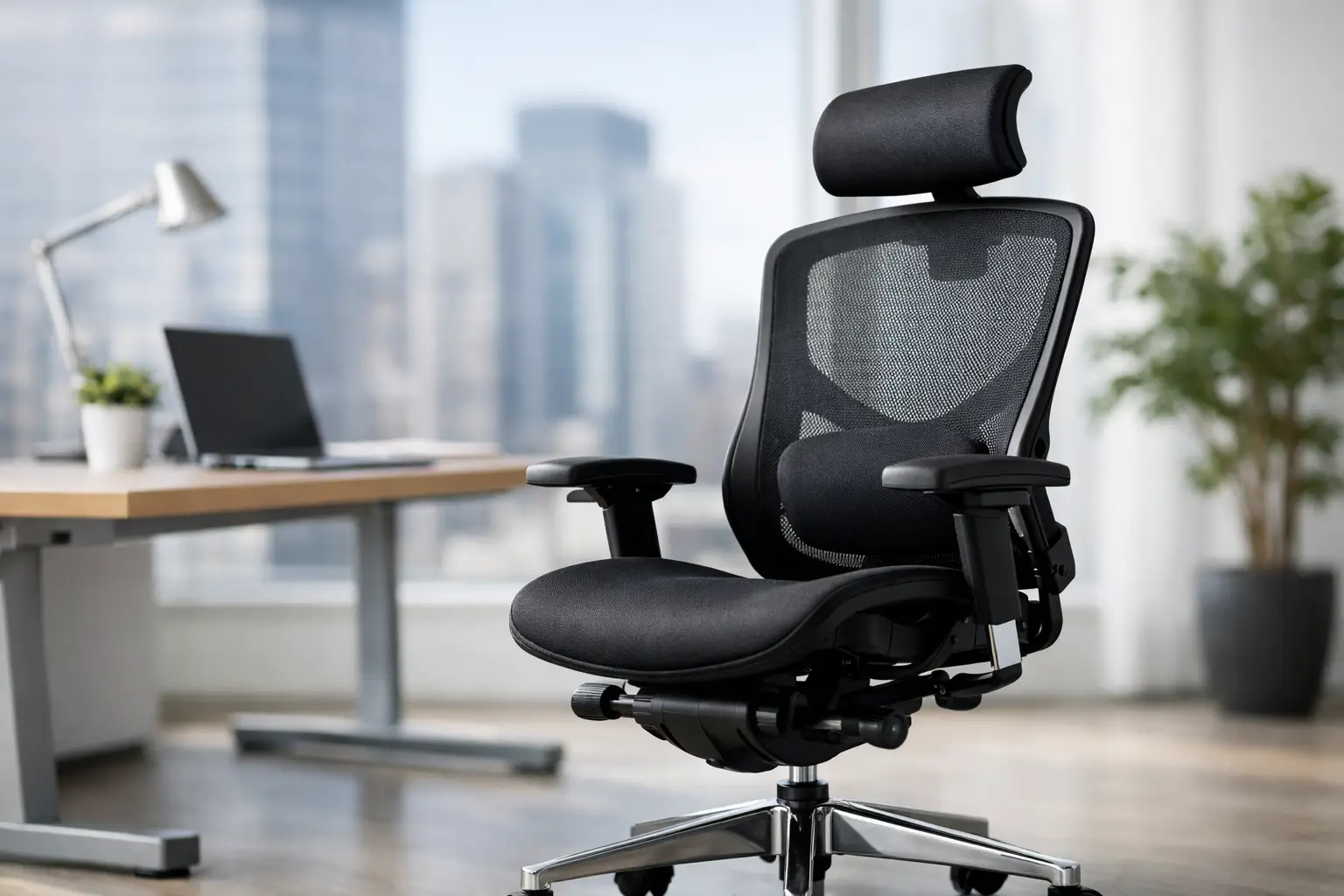
A beautiful desk can make a workspace feel considered. A poorly chosen chair can undo that feeling before the first meeting is over. This ergonomic office chair review focuses on the details that shape comfort over real workdays: support that adjusts to your body, materials that wear gracefully, and a silhouette worthy of a refined home office.
The best chair is not automatically the one with the most mechanisms, the highest price, or the boldest design. It is the one that encourages a balanced seated posture without demanding constant attention. For remote professionals, dedicated gamers, students, and anyone building a more polished work-from-home routine, that distinction is worth getting right.
What Makes an Ergonomic Office Chair Worth Buying?
Ergonomics is often treated as a collection of knobs and levers. In practice, it is the way a chair works with your proportions and habits. A well-designed chair helps your feet rest on the floor, supports the natural curve of your lower back, and lets your shoulders stay relaxed rather than lifted toward your ears.
Look first at the relationship between the seat, backrest, and armrests. The seat should be deep enough to support your thighs while leaving roughly two to three fingers of space behind your knees. A backrest should meet the lower back rather than simply press against the middle of it. Armrests should let your elbows settle near desk height, not force your shoulders upward.
This is why a one-size-fits-all promise deserves some skepticism. A chair can be exceptionally made and still be the wrong fit for a particularly tall, petite, or broad-shouldered shopper. Measurements matter as much as aesthetics.
Ergonomic Office Chair Review: The Features to Compare
Adjustable lumbar support
Lumbar support is the feature most closely associated with an ergonomic chair, and for good reason. The lumbar region naturally curves inward. When a chair leaves that area unsupported, many people compensate by slumping or perching forward, especially late in the day.
The most useful systems adjust vertically, so the support lands at the right height for your frame. Depth adjustment is a premium advantage because it lets you control how pronounced that support feels. Firm lumbar support can be wonderfully restorative for one person and distracting for another, so adjustability is usually preferable to a fixed, aggressive contour.
Seat height, depth, and tilt
A pneumatic height adjustment is essential, but it is only the starting point. Your goal is a seat height that keeps your feet planted and your knees close to a 90-degree angle. If a desk cannot be adjusted and sits high, a footrest can help preserve that relationship.
Seat-depth adjustment is especially valuable for shared workspaces or shoppers outside average height ranges. It changes the distance between the seat front and backrest, preventing pressure behind the knees without sacrificing thigh support.
A gentle forward tilt can also be helpful for people who alternate between focused typing and more upright task work. It encourages the pelvis to stay neutral instead of rolling backward. Still, it is not essential for everyone. A smooth recline with reliable tension control may be the more meaningful feature for those who spend long stretches reading, presenting, or taking calls.
Armrests that actually help
Armrests are frequently overlooked because they appear straightforward. Yet poorly placed armrests can interfere with a desk, crowd the body, or create neck tension. At a minimum, choose height-adjustable armrests. Ideally, they should also move inward and outward and shift forward and back to support different activities.
For keyboard work, armrests should lightly support the forearms without carrying all your weight. For creative work, frequent reaching, or a compact desk, you may prefer to lower them or move them out of the way. Fixed armrests can look clean, but they are a compromise unless their dimensions happen to suit your setup.
Backrest and recline quality
A chair should make movement feel natural. When you lean back, the backrest should support you through the motion rather than abruptly stop or drop away. A synchronized recline is a refined choice because the seat and back move in coordination, maintaining a more comfortable angle between your torso and thighs.
A lockable recline is useful, but more locking positions are not always better. Test whether the chair feels stable at the angle you are likely to use. The right recline should invite brief resets during a demanding day, not turn your workstation into a lounge chair.
Materials Shape Both Comfort and Style
Material selection is where function meets the visual language of your workspace. Mesh remains a popular choice for warm rooms and extended work sessions because it allows air to circulate. High-quality mesh should feel supportive without creating sharp pressure points along the frame. Less expensive mesh can sag over time, so inspect the overall tension and warranty details before treating it as a long-term purchase.
Upholstered fabric chairs offer a softer, more residential look. They suit bedrooms, library-style offices, and multipurpose spaces where an overtly corporate chair would feel out of place. Look for dense foam that retains its shape and durable upholstery that can handle daily contact. Textured woven fabrics offer a sophisticated finish, though they may need more attention in homes with pets or young children.
Leather and leather-look finishes bring undeniable presence to an office, particularly in executive-style designs. Genuine leather can develop character with care, while quality performance upholstery may offer easier maintenance and a more approachable price. The trade-off is breathability. In a sunny office or warmer climate, leather can feel less forgiving during long sessions.
Do not overlook the base and casters. A metal base generally delivers a more substantial feel than lightweight plastic, while the correct wheels protect the floor beneath. Soft casters are better suited to hard flooring; hard casters roll more readily on carpet. A chair that glides quietly and evenly feels more premium every time you sit down.
Matching the Chair to Your Workday
A chair for two hours of occasional laptop work does not need the same specification as one for eight or more hours of daily concentration. Be honest about the role the chair will play.
For all-day desk work, prioritize lumbar adjustment, seat-depth adjustment, armrest range, and a responsive recline. These features provide the small changes that keep one static position from becoming uncomfortable. A breathable mesh back or quality fabric upholstery is usually a practical choice.
For a home office visible from a living area, design may carry equal weight. Consider an upholstered ergonomic chair with a tailored profile, a warm neutral color, and polished metal or wood-inspired accents. The best options balance visual softness with enough adjustability to remain useful beyond a quick email session.
For compact rooms, pay attention to the chair’s overall footprint and armrest height. A wide executive chair may look impressive online but overwhelm a narrow desk or prevent it from tucking away neatly. Armless designs save space, though they offer less support for long work periods. This is one area where a smaller scale can be a smart design decision rather than a compromise.
Details That Separate Premium From Merely Expensive
Price alone does not guarantee thoughtful construction. During any ergonomic office chair review, examine the elements that tend to reveal quality after months of use: smooth adjustment controls, even stitching, stable recline tension, a firm base, and a seat cushion that returns to shape.
Weight capacity is another practical indicator, but it should be viewed as part of the full picture rather than a standalone measure of durability. A generous capacity, trusted warranty, and substantial frame create more confidence together than any single specification.
Also consider the assembly experience. A premium chair should arrive with clear instructions, organized hardware, and components that align without force. Some chairs are delivered nearly assembled, which can be particularly appealing when you are furnishing a new office or upgrading several areas of the home at once.
A More Considered Way to Choose
Before buying, measure your desk height, available floor space, and the distance between your desk and surrounding furniture. Then compare those numbers with the chair’s height range, armrest clearance, and overall width. It is a simple step that prevents the disappointment of a chair that looks ideal but does not function well in its intended setting.
Finally, favor adjustments you will genuinely use. A streamlined chair with excellent seat height, lumbar positioning, and recline control can be a better investment than an overly complex model with features that do not suit your routine. Comfort should feel effortless, while the chair itself brings a quiet sense of sophistication to every hour spent at your desk.













Leave a comment