Bathroom Fixtures That Make a Daily Difference
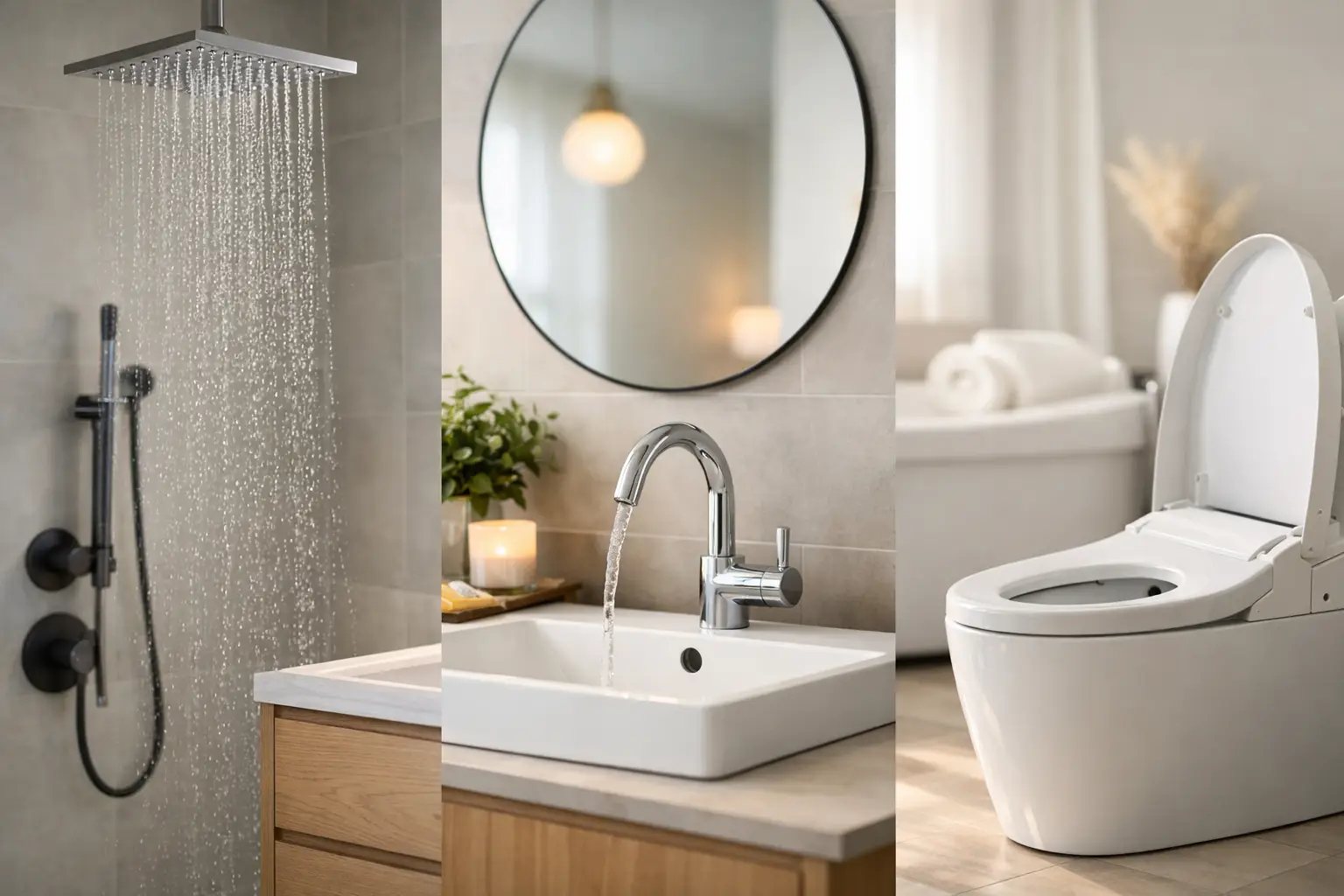
A bathroom can have beautiful tile, generous storage, and perfect lighting, yet still feel unfinished if the bathroom fixtures are an afterthought. The faucet you reach for each morning, the shower system that closes out a long day, and the hardware that catches the light all shape how the room performs and how it feels. Choosing well turns a purely practical space into one with presence.
For a home that feels considered rather than merely updated, fixtures deserve the same attention as furniture and finishes. The right selections bring together proportion, material, water performance, and a level of polish that makes everyday routines feel more comfortable.
Start With How the Bathroom Is Used
Before choosing a finish or falling for a sculptural faucet, consider who uses the space and when. A powder room gives you room to be expressive because the fixture will see lighter use. A primary bath calls for a different standard: reliable controls, easy cleaning, comfortable reach, and a shower experience that suits the household’s habits.
A busy family bathroom benefits from durable surfaces and intuitive handles that work quickly for every age. In a guest bath, a distinctive widespread faucet or elevated towel hardware can make a compact room feel more welcoming. For a rental upgrade, the smartest choice may be a fixture that delivers a visible style improvement without requiring major plumbing changes.
This is where thoughtful design becomes practical. A fixture should look exceptional, but it should also make the room easier to live in.
Choose Bathroom Fixtures in the Right Order
A cohesive room rarely comes from selecting every piece at once. Start with the plumbing fixtures that establish the room’s visual language: the sink faucet, shower set, and tub filler if the space includes a bathtub. Their shape and finish will guide the mirror frame, lighting, cabinet hardware, and accessories that follow.
Let the Faucet Set the Tone
The faucet is often the most visible working element at the vanity. Single-handle designs offer a clean, contemporary profile and convenient temperature adjustment. Widespread faucets, with separate hot and cold handles, lend themselves to traditional, transitional, and tailored interiors. Wall-mounted faucets create an especially refined look while freeing counter space, though they require plumbing to be set within the wall before installation.
Scale matters as much as style. A tall vessel faucet can look striking, but only when paired with a vessel sink designed for its height and reach. A low-profile faucet can disappear on an oversized vanity. Pay attention to the spout projection as well. Water should land near the drain rather than splash against the back or front of the basin.
Build the Shower Around Comfort
A well-planned shower can feel like a private retreat without becoming overly complicated. A fixed showerhead is simple and elegant. A handheld option adds flexibility for rinsing the enclosure, bathing children, or accommodating different mobility needs. A rain-style head brings a spa-inspired experience, while a separate handheld provides the everyday versatility many households appreciate.
More components can create a more luxurious shower, but they also require more valves, trim, and installation planning. If the goal is a straightforward refresh, a premium showerhead and coordinated control trim may offer the best balance of impact and investment. If walls are already open for a renovation, it is the ideal time to consider body sprays, a ceiling-mounted rain shower, or thermostatic controls that help maintain a steady temperature.
Do Not Treat Hardware as an Afterthought
Towel bars, robe hooks, toilet paper holders, and cabinet pulls may be smaller pieces, but they provide continuity. They are also the details guests touch and notice. A robe hook beside the shower may serve a household better than a towel bar that is too far from reach. In smaller rooms, a well-placed hook can preserve wall space and keep towels from feeling crowded.
Choose a collection when possible, but do not force a perfect match at the expense of function. Coordinated finishes and related silhouettes are usually enough to make the room feel intentional.
Finish Choices That Feel Current and Last
Finish is where personality becomes visible. Polished chrome remains a timeless choice for its bright, clean appearance and broad compatibility with many styles. Brushed nickel offers a softer, warmer interpretation of classic metal and tends to be forgiving of water spots. Matte black introduces contrast and architectural definition, particularly against pale stone, white tile, or warm wood.
Brushed brass and champagne-toned finishes bring warmth and a collected look, especially in bathrooms with natural oak, creamy walls, or veined stone. They can feel luxurious without being formal, but the undertone matters. Some brass reads golden and traditional; others are muted, modern, or slightly rosy. Compare samples against the room’s tile and lighting before making a final choice.
Mixed metals can work beautifully, although restraint is essential. A chrome faucet with black lighting can feel deliberate when both finishes appear elsewhere in the home. Combining several unrelated metals in one compact bathroom can make even premium pieces feel disconnected. A useful rule is to select one dominant fixture finish, then introduce a secondary accent sparingly.
The Details That Protect Long-Term Satisfaction
Premium design should hold up to daily use. Look beyond the surface appearance and consider the parts that determine longevity. Solid metal construction, quality valves, dependable ceramic cartridges, and durable finish processes matter because they affect how smoothly a fixture operates over time.
Water efficiency is also worth considering. Modern low-flow fixtures can reduce water use while still providing satisfying pressure, but performance varies by product and plumbing conditions. A large rain showerhead may feel generous, for example, while a water-efficient handheld can be the better choice for a household focused on conservation. The most suitable option depends on the experience you want and the water pressure available in your home.
Installation requirements deserve equal attention. A faucet may look perfect online but require a different number of mounting holes than your vanity top has. A wall-mounted fixture requires rough-in planning. A freestanding tub filler needs precise placement and floor support. Confirm specifications early, particularly if you are working with an installer, so the finished room looks as polished as the original vision.
Create a Bathroom That Feels Collected
The most elevated bathrooms avoid the showroom effect. Rather than choosing every piece for maximum drama, pair a few defining elements with quieter supporting details. A graceful faucet can sit beautifully beside a simple framed mirror. A statement tub filler may need only understated lighting and tactile towels to complete the setting.
Texture also brings depth. Consider the conversation between a brushed fixture finish, a smooth stone counter, ribbed glass, painted cabinetry, and plush textiles. These layers make a bathroom feel warm, personal, and finished without relying on excess decoration.
For smaller spaces, visual calm is especially valuable. Choose fixtures with clean lines, keep finishes consistent, and prioritize a vanity faucet and lighting that give the room character. In a larger primary bath, repetition can create luxury: matching shower trim, vanity faucets, and hardware establish a composed rhythm from one end of the room to the other.
A Smart Way to Shop for Fixtures
When comparing options, prioritize the pieces you use most often. It is usually wiser to invest in a dependable faucet and shower system than to spend the majority of the budget on decorative accessories. Then build outward with coordinated hardware, lighting, mirrors, and textiles that reinforce the look.
Keep measurements, mounting requirements, finish samples, and product specifications together before ordering. This small amount of preparation can prevent mismatched components and makes it easier to compare choices with confidence. A curated retailer such as Vellenor can also help simplify the process by placing refined home selections within a broader vision for elevated daily living.
The best bathroom fixtures do more than supply water or hold a towel. They bring a sense of ease to the first and last moments of the day, proving that exceptional design is often found in the details you use without even thinking about them.








Leave a comment