A Guide to Buying Luxury Furniture for Your Home
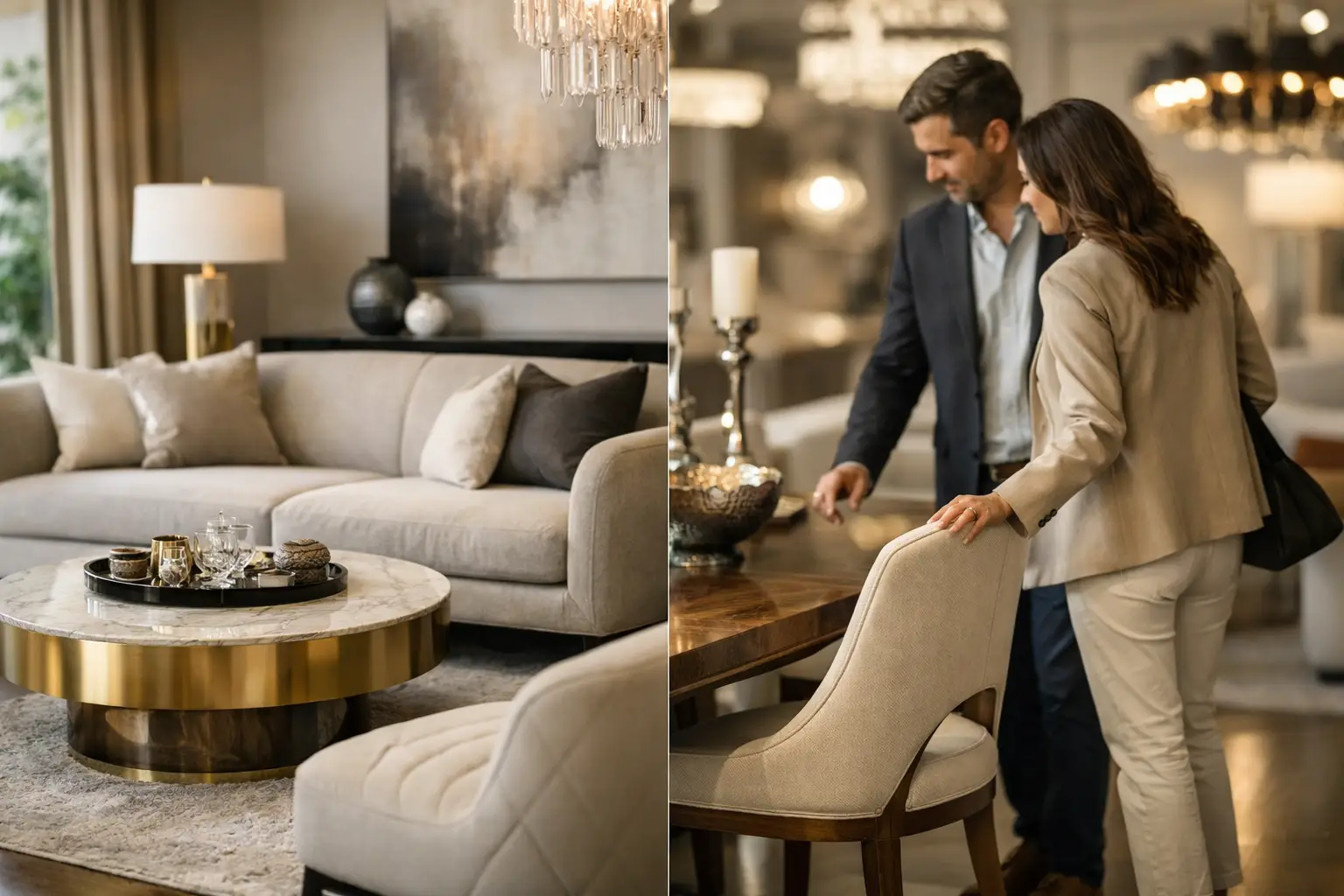
A beautiful room can be undone by one rushed purchase: a sofa that looks polished online but feels shallow, a dining table with a convincing finish that will not age gracefully, or a chair that photographs well but never becomes anyone’s favorite seat. This guide to buying luxury furniture is designed to help you look beyond first impressions and choose pieces that bring lasting comfort, distinction, and daily pleasure into your home.
Luxury is not simply a higher price point. It is the thoughtful combination of material quality, skilled construction, proportion, comfort, and a design point of view that still feels right long after the delivery day. The best purchases make a room feel more considered without making it feel precious.
Start With the Way You Actually Live
Before considering fabrics, finishes, or silhouettes, consider the room’s real purpose. A formal living room may support a sculptural occasional chair or a refined marble coffee table. A family room needs a sofa that can welcome movie nights, pets, guests, and everyday life while retaining its shape and appeal.
Think about who uses the room, how often they use it, and what needs to happen there. A light linen sofa can be extraordinary in a calm sitting room, but performance upholstery may be the more luxurious choice in a busy home. Luxury should reduce friction, not create a list of rules for everyone who sits down.
Measure carefully, then measure again. Note the room’s length and width, window placement, door swings, vents, radiators, and architectural details. Just as important, map the path from curb to room. A generously scaled sectional is only a smart investment if it can clear the entry, hallway, staircase, and elevator.
Leave breathing room around each major piece. A space filled edge to edge can feel expensive, but it rarely feels elegant. Thoughtful negative space gives a statement sofa, dining table, or bed the presence it deserves.
A Guide to Buying Luxury Furniture by Material
Materials tell much of the story. They affect how a piece feels to use, how it develops character, and how much care it will require. Learn the basics, but do not assume that one material is always superior. The right choice depends on your lifestyle and the setting.
Wood: Look Beyond the Stain
Solid hardwoods such as oak, walnut, maple, and ash are valued for strength, grain, and repairability. Natural variation is a sign of authenticity, not a flaw. Veneer can also be an excellent choice when it is applied over a stable engineered core and used to showcase a rare or decorative wood grain.
Ask what lies beneath the surface. A beautifully stained table made with thin, low-quality material may not withstand refinishing or years of use. Well-made wood furniture should feel substantial, sit level on the floor, and show careful attention at the corners, edges, and joinery.
Upholstery: Choose for Touch and Longevity
Sit on upholstered furniture whenever possible, or review detailed dimensions and construction information when shopping online. Seat depth, cushion fill, back height, and arm shape can change how a sofa feels more than its appearance suggests.
Down-filled cushions offer a soft, relaxed look but often require fluffing. High-resilience foam provides more structure and easier upkeep. Many premium pieces combine foam support with feather or fiber wraps for a tailored feel that remains inviting.
For fabric, assess abrasion resistance, cleanability, and color in your home’s light. Bouclé and velvet create instant richness, while wool blends, textured weaves, leather, and performance fabrics can offer durability with equal sophistication. Leather is especially appealing for its patina, though it will show marks and variation over time. For some buyers, that lived-in character is part of the appeal.
Stone, Metal, and Glass: Consider the Finish
Natural stone brings depth no manufactured pattern can fully duplicate. Marble, travertine, and limestone may have veining, pores, and tonal shifts that make every surface unique. They also require thoughtful care. Acidic spills, moisture, and heat can leave their mark, particularly on marble.
Metal should feel intentional rather than decorative for its own sake. Look for substantial hardware, clean welds, and finishes that suit the room’s palette. Glass can keep a smaller room open and light-filled, but it is best balanced with warmer materials so the space does not feel cold or overly formal.
Inspect Construction, Not Just Appearance
A luxury piece should reward a closer look. For case goods such as dressers, consoles, and cabinets, inspect drawer movement, interior finishing, alignment, and hardware. Drawers should open smoothly and close evenly. Doors should sit straight. Handles and pulls should feel secure in the hand.
With tables and seating, check stability. There should be no wobble, strain, or visible shortcuts at stress points. Traditional joinery techniques such as mortise-and-tenon or dovetail construction can signal quality, but contemporary furniture may use other methods successfully. What matters is that the construction is appropriate for the piece and built to perform over time.
Do not overlook the parts you rarely see. The underside of a sofa, the interior of a cabinet, the back of a headboard, and the base of a table often reveal the difference between a carefully made piece and one designed only to look convincing from the front.
Let Proportion Lead the Design
Luxury furniture earns its place through proportion. A piece can be impeccably made and still feel wrong if it is too large, too small, or visually disconnected from the architecture around it.
Use your room’s existing lines as a guide. High ceilings can carry taller cabinets, dramatic lighting, and substantial seating. Lower ceilings often benefit from furniture with a quieter profile and visible legs that preserve a sense of airiness. In a compact apartment, choose fewer pieces with stronger presence rather than many smaller items competing for attention.
Mixing eras can make a home feel personal and collected. A contemporary sofa may sit beautifully with an antique-inspired credenza, provided there is a common thread: warm wood tones, repeated metal finishes, a shared color family, or a similarly refined scale. The goal is contrast with intention, not a showroom match.
Budget for the Pieces That Carry Daily Life
Not every item requires the same level of investment. Spend more where your body interacts with the furniture most often: the sofa, mattress, dining chairs, desk chair, and bed frame. These pieces influence comfort every day and tend to face the most wear.
Accent tables, benches, decorative stools, and occasional chairs can offer more room for experimentation. That does not mean they should be disposable. It means your budget can prioritize a strong foundation first, then layer in distinctive supporting pieces as your home evolves.
When comparing prices, consider dimensions, materials, delivery requirements, warranty coverage, and expected maintenance. A lower initial price can become less attractive if the finish wears quickly, the cushions lose their support, or replacement is needed within a few years. The most satisfying luxury purchase is not necessarily the most expensive one. It is the one that performs beautifully for the life you lead.
Shop Online With More Confidence
Online shopping offers access to a wider range of premium designs, but it calls for a more deliberate review process. Read the full product description, not just the feature highlights. Look for exact dimensions, material details, fabric composition, weight capacity where relevant, care guidance, and assembly requirements.
Request or order material samples when available. A swatch can reveal whether a cream fabric reads warm or cool in your light, whether a wood finish complements your flooring, and whether a texture feels as luxurious as it appears on screen. Review customer photos with a discerning eye, especially for scale and color variation.
At Vellenor, curated discovery is part of the experience, but the final choice should always fit your home rather than a passing trend. Save inspiration, compare the details, and give yourself a day before committing to a major piece. Confidence is a better finishing touch than urgency.
Plan for Care From the Beginning
Fine furniture is meant to be used, but it benefits from sensible care. Place felt pads beneath table lamps and accessories, use coasters on stone and wood, rotate cushions, and keep direct sunlight in mind when positioning fabric or leather. Follow the manufacturer’s cleaning guidance instead of relying on a general household product.
A small amount of maintenance protects the finish, comfort, and value of a piece. More importantly, it allows the furniture to become part of your life rather than something you worry about preserving.
Choose the piece that makes you pause when you enter the room, then make sure it is built for the mornings, dinners, conversations, and quiet evenings that will happen around it. That is where luxury becomes lasting.









Leave a comment