
Automatic Cat Feeder Features Worth Choosing
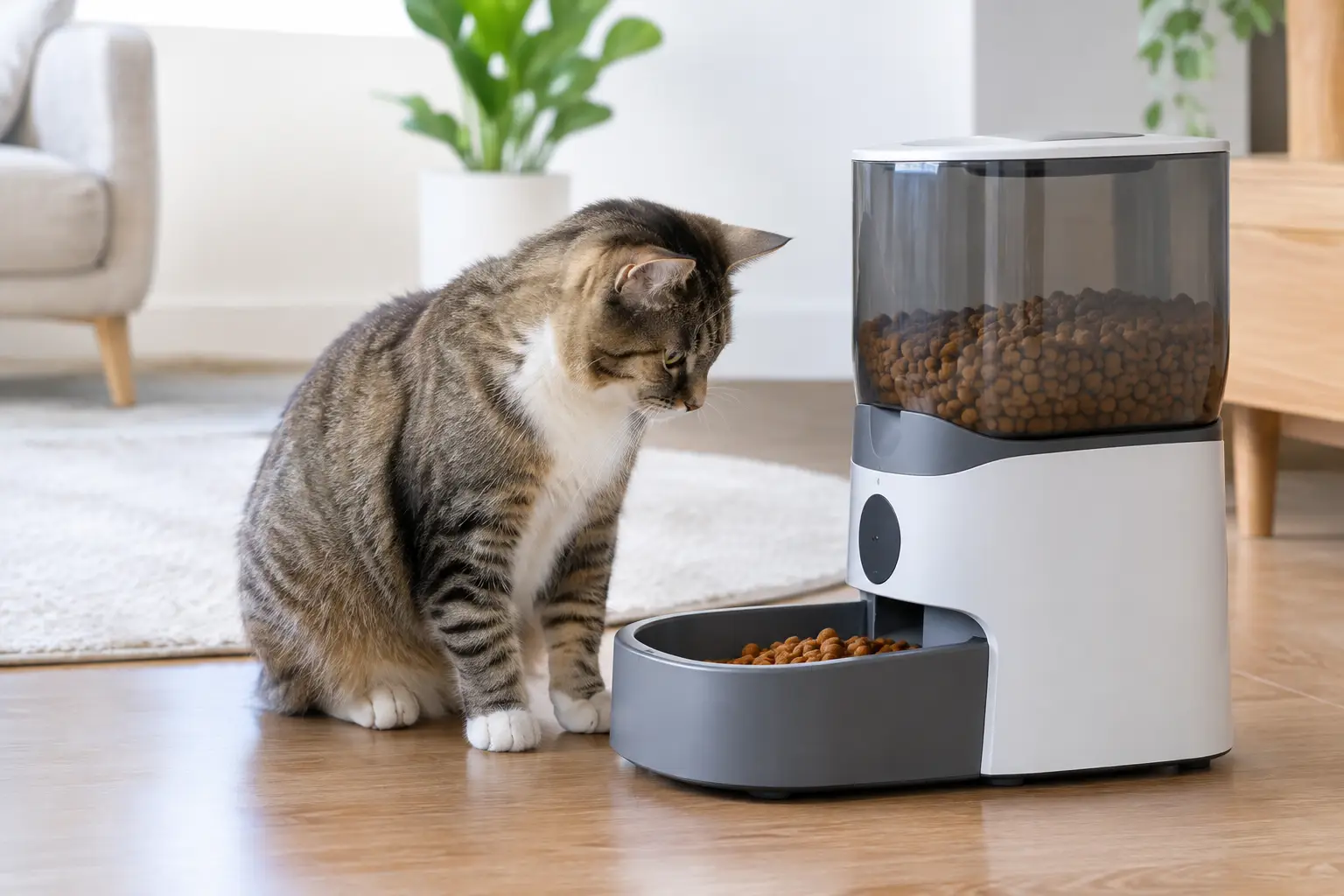
The first sound your cat hears each morning should not have to be a hurried scoop of kibble while you are searching for your keys. An automatic cat feeder brings a more composed rhythm to daily pet care, serving measured meals on schedule while helping your home feel organized, attentive, and beautifully considered.
For busy professionals, frequent travelers, and style-conscious households, the appeal goes well beyond convenience. The right feeder can support consistent portions, reduce early-morning demands for breakfast, and make a functional pet essential feel at home beside the rest of your thoughtfully chosen decor. Still, not every model suits every cat or routine. Choosing well starts with understanding which details genuinely improve life for both of you.
Why an Automatic Cat Feeder Earns Its Place
Cats thrive on predictability. A reliable mealtime routine can be especially helpful for indoor cats, cats who wake their owners before dawn, and pets who need closer portion management. Rather than leaving a full bowl available all day, a programmable feeder releases food at the times you select. This creates a clearer eating pattern without requiring you to be in the kitchen for every serving.
That consistency can also bring welcome calm to the household. You can take an early meeting, enjoy a slow weekend morning, or return home later than expected without wondering whether dinner has been delayed. For multi-person homes, it removes the familiar uncertainty of who fed the cat last.
The trade-off is that a feeder is a support tool, not a substitute for attentive care. Fresh water, daily interaction, litter maintenance, and observation of your cat’s appetite still matter. If your cat suddenly eats less, refuses food, or appears unwell, a scheduled device should never conceal a change that deserves your attention.
Start With Your Cat’s Feeding Routine
The most impressive features mean little if the feeder does not match your cat’s diet. Begin with the food you currently serve, the number of meals per day, and your pet’s eating habits.
Dry-food feeders are the most common choice because kibble moves cleanly through a hopper and dispensing mechanism. They suit households that use dry food exclusively or want to schedule small dry meals between wet-food servings. Look closely at the stated kibble-size range. Large, irregular, or very lightweight pieces may not dispense as accurately as standard-sized kibble.
For cats who eat wet food, a rotating tray feeder with covered compartments may be the better fit. These models are designed for shorter intervals, often holding a day’s worth of meals rather than several days of food. Some include cooling packs, though they are best viewed as a way to preserve freshness for a limited window, not as long-term refrigeration.
A cat who grazes all day may initially need time to adjust to scheduled portions. Start gradually if possible, offering a familiar number of meals in smaller, measured servings. Cats on veterinarian-directed diets need additional care: confirm that portion sizes are appropriate and avoid changing their routine abruptly.
The Features That Matter Most
A premium feeder should feel simple to use, but its underlying features should protect the routine you are relying on. Prioritize practical performance before novelty.
Accurate portions and flexible schedules
Portion control is the heart of a good feeder. Select a model that allows several meals per day and provides small, repeatable increments. The exact weight of a portion can vary by kibble shape and density, so test the dispenser at home before relying on its settings. Measure several servings on a kitchen scale, then adjust until the delivered amount aligns with your cat’s daily plan.
Flexible timing is equally valuable. A single cat may do well with two meals, while a food-motivated cat may be happier with four smaller servings spaced throughout the day. A feeder that accommodates both gives you room to refine the schedule as your household changes.
A secure, freshness-minded food reservoir
Capacity should suit your lifestyle without encouraging food to sit too long. A larger hopper can be convenient for a long workweek, but dry food is best when stored away from heat, humidity, and direct sunlight. A well-fitted lid, a food-safe interior, and a sealed outlet help protect both freshness and curious paws.
If your cat is particularly determined around food, examine the lid and bowl design with care. Some cats learn to tip lightweight units or reach into an open chute. A stable base and a tamper-resistant reservoir are worth the investment in a home with a clever food thief.
Dependable power and easy cleaning
Choose a feeder with battery backup when possible. A power interruption should not derail a carefully planned meal schedule, particularly if you are away overnight. Before purchasing, check whether the display retains the schedule after a power loss and how often the batteries need replacement.
Cleaning deserves the same attention as technology. The bowl should be removable, and the surfaces that contact food should be easy to wipe or wash. A beautifully designed feeder loses its appeal quickly if crumbs collect in inaccessible corners. Regular cleaning also lets you notice residue, moisture, or a dispensing issue before it becomes a problem.
Smart controls with a useful purpose
App-connected models can be an elegant choice for households that appreciate visibility and control. Depending on the unit, you may be able to adjust schedules remotely, receive low-food notifications, review feeding records, or dispense an extra portion when plans change.
These features are most useful when they reduce uncertainty. They are less compelling when they add unnecessary complexity. If your Wi-Fi is unreliable, a straightforward feeder with on-device programming and battery backup may provide more confidence than a feature-heavy model. A camera can be reassuring for travelers, but it should complement, not replace, a trusted neighbor or pet sitter for longer trips.
Consider the Feeder as Part of Your Home
Pet products do not need to interrupt the look of a well-appointed kitchen, utility room, or living space. A feeder will be visible every day, so material, silhouette, and footprint deserve consideration alongside capacity and settings.
Look for a low-profile form that sits comfortably against a wall or in a dedicated feeding station. Neutral finishes, clean lines, and thoughtfully integrated controls tend to feel more at ease in modern interiors than bulky plastic designs with bright, distracting accents. The goal is not to hide the fact that your home includes a cat. It is to select essentials that reflect the same care as the rest of your space.
Placement matters, too. Set the feeder on a level surface away from water bowls, litter boxes, and high-traffic doorways. A quiet corner helps many cats eat without feeling rushed. If the feeder shifts across hard flooring, a discreet mat can protect the surface, contain stray kibble, and create a more polished feeding area.
What an Automatic Cat Feeder Cannot Solve
An automatic feeder is excellent at timing and portions, but it cannot identify medical changes or mediate every multi-cat challenge. In a home with two or more cats, one pet may quickly learn to wait for another’s meal. Microchip-activated feeders can be a more appropriate choice when one cat needs prescription food, a weight-management diet, or protection from a more assertive sibling.
It also cannot fully replace the human connection around care. Many cats enjoy a little conversation, play, or affection around mealtime. Keep those moments where they matter, even if the food itself arrives on schedule. The most successful setup often combines a reliable feeder with a routine that still includes daily attention.
Before leaving for a weekend, test the unit while you are home. Fill it with the usual food, run several scheduled meals, check that the bowl is accessible, and confirm the backup power is ready. For extended travel, arrange for someone to visit your cat in person. Technology offers assurance, but thoughtful care remains the true luxury.
A More Considered Daily Ritual
The best automatic cat feeder does more than dispense kibble. It gives your cat dependable care and gives you a little more room to move through the day with ease. Choose one that suits your cat’s real needs, feels natural in your home, and is simple enough to trust without constant second-guessing.
At Vellenor, elevated living is often found in those small, well-chosen details that make a home work better. A dependable feeding routine is one of them: quiet, consistent, and designed to leave more time for the moments your cat actually wants from you.











Leave a comment