
Furniture Trends That Make a Home Feel Elevated
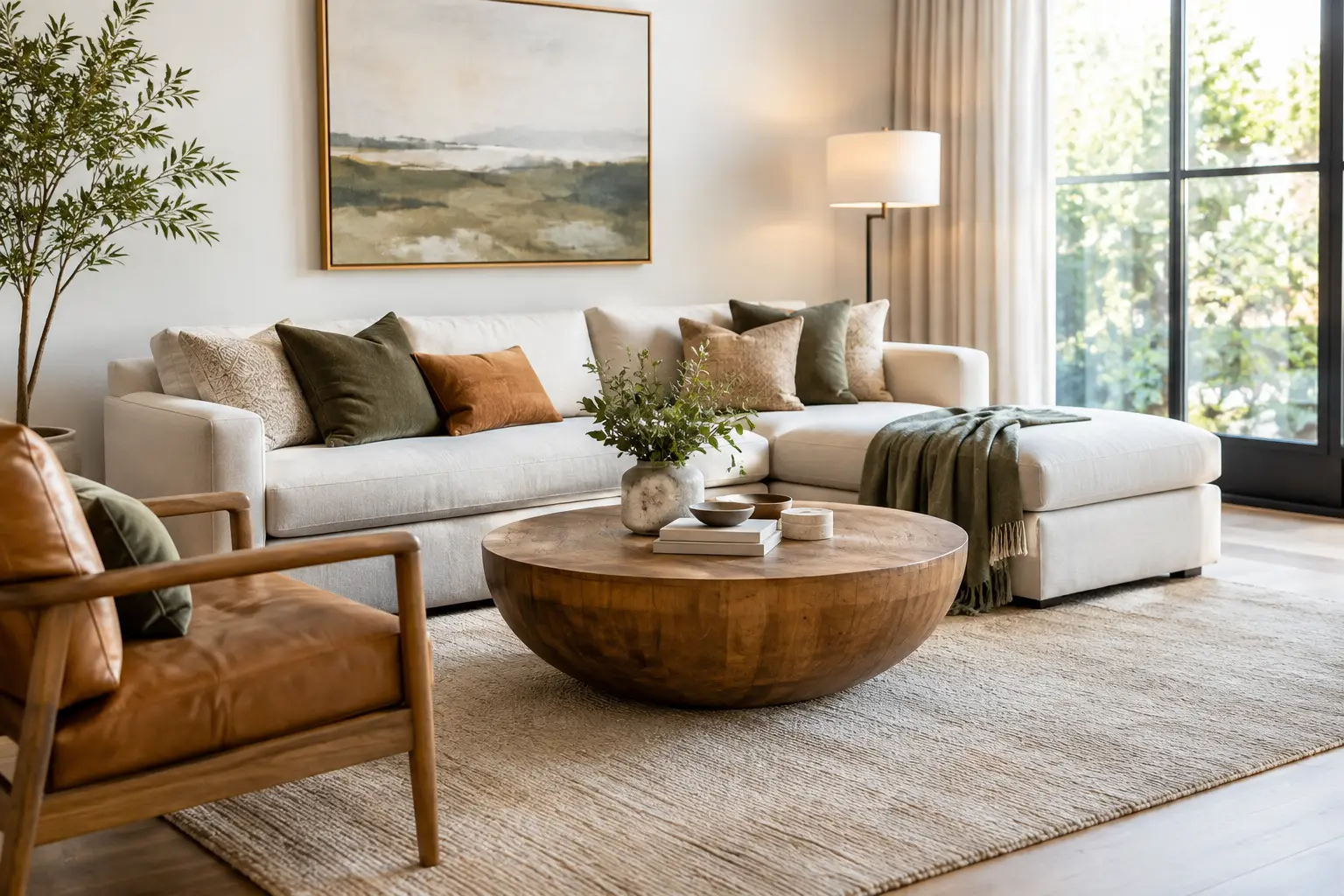
A room can be beautifully decorated and still feel slightly unfinished until the furniture gets the balance right. The most compelling furniture trends are moving away from spaces that look staged and toward homes that feel composed, comfortable, and unmistakably personal. Think generous seating, tactile finishes, grounded colors, and pieces that earn their place through both beauty and everyday usefulness.
For homeowners refining a forever home, renters making a meaningful upgrade, or families looking for sophistication that can handle real life, the direction is clear: choose fewer pieces with more presence. Premium design is no longer about filling every corner. It is about selecting furniture that creates calm, supports daily rituals, and makes the room feel considered from the moment you walk in.
Furniture Trends Center on Softer, Sculptural Comfort
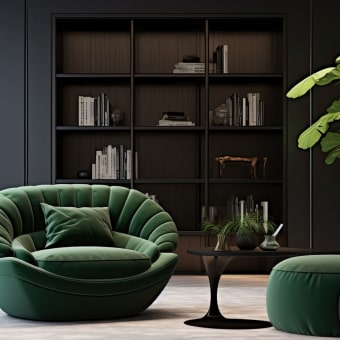
Sharp edges and overly rigid silhouettes are giving way to curves with intention. Sofas with rounded arms, low-profile lounge chairs, oval coffee tables, and softly shaped ottomans bring a relaxed elegance to living rooms and bedrooms. Their appeal is not simply visual. Curved forms naturally make a space feel more welcoming, particularly in rooms that have lots of straight architectural lines.
This does not mean every piece needs to be rounded. A well-proportioned rectangular console or a tailored dining table can provide the structure that softer seating needs. The goal is contrast: an organic sofa beside a clean-lined side table, or a curved accent chair paired with a refined geometric rug. The mix feels collected rather than coordinated by formula.
Comfort is also becoming more visible. Deep cushions, supportive backs, plush upholstery, and generous proportions are no longer compromises made behind the scenes. They are central to the look. A beautiful living room should invite a long conversation, an afternoon nap, or a quiet hour with a book.
Natural Materials With a Refined Finish
Wood, stone, rattan, linen, leather, and wool remain enduring choices, but the current approach feels warmer and less rustic. Rather than heavily distressed finishes, look for oak with a soft matte finish, walnut with rich depth, travertine-style surfaces, and woven details used with restraint. These materials bring texture and permanence without making a room feel overly themed.
Wood furniture is especially effective when it shows natural grain and variation. A dining table with a substantial top or a media console in a warm medium-toned finish can anchor a room more successfully than several small decorative pieces. It provides visual weight, then lets lighting, textiles, and art add personality around it.
Stone deserves the same thoughtful treatment. A stone-top coffee table or side table can create a quiet sense of luxury, but scale matters. In a compact apartment, a slim pedestal table or a smaller nesting design may offer the material presence you want without crowding the floor plan. In larger rooms, substantial stone surfaces can become the focal point that ties an entire seating arrangement together.
Warm Neutrals Replace Stark Minimalism
White walls and pale furniture will always have a place, but the all-white room is being softened by warmer, more layered palettes. Cream, sand, mushroom, camel, taupe, clay, and soft olive offer a more livable foundation. These colors are versatile enough for long-term furniture purchases while bringing an immediate sense of ease.
For larger investments such as sofas, beds, and dining chairs, warm neutrals are a sophisticated choice because they adapt as your style changes. A camel leather chair can sit comfortably beside dark wood one year and lighter textiles the next. A textured ivory sofa can support bold pillows and art without demanding constant reinvention.
Color has not disappeared. It has simply become more intentional. Deep green, oxblood, dusty blue, and chocolate brown are appearing on accent chairs, upholstered headboards, and cabinetry-inspired storage. If you are hesitant to commit, introduce a richer shade through a single occasional chair or bench. One confident note can make a neutral room feel far more distinctive.
The Return of Statement Dining
The dining area is becoming a true destination again, whether it is a dedicated room or a compact zone beside the kitchen. Furniture trends favor tables that feel substantial enough for weekday meals, celebrations, work sessions, and everything in between. Rounded rectangles, racetrack shapes, pedestal bases, and softened corners offer practical circulation while elevating the silhouette.
Dining chairs are getting more comfortable too. Upholstered seats, curved backs, and textured fabrics turn dinner into an experience rather than a brief stop between tasks. A coordinated set is polished, but matching every chair is not the only route to a refined look. Pairing upholstered host chairs with streamlined side chairs can add depth while keeping the table visually balanced.
Before choosing a statement table, measure beyond the tabletop. Leave enough clearance for chairs to pull out comfortably and for people to move behind them. A smaller table with generous breathing room often looks more luxurious than an oversized piece pressed against the walls.
Versatile Pieces Carry More Value
A premium home should work as gracefully on a busy Tuesday as it does when guests arrive. That is why flexible furniture continues to matter. Storage benches, extendable dining tables, nesting tables, lift-top coffee tables, and console tables that can serve as desks make polished living more attainable in homes of every size.
The difference is in the execution. Multipurpose furniture should not look temporary or overly utilitarian. Choose pieces with thoughtful hardware, durable surfaces, and proportions that suit the room even when their extra function is not in use. A storage ottoman in tailored upholstery, for example, can hold throws or toys while still reading as an elegant centerpiece.
This approach is particularly useful for families and apartment dwellers. A beautiful home does not require a separate room for every activity. It requires furniture that responds intelligently to the way you actually live.
Texture Is Doing More of the Decorating
Texture gives neutral spaces their energy. Boucle, performance velvet, woven cane, brushed metal, ribbed wood, and nubby woven fabrics can make a restrained color palette feel rich rather than flat. The key is to vary textures while keeping the overall mood cohesive.
A living room might combine a linen-blend sofa, a wood coffee table, a metal floor lamp, and a wool rug. The colors can remain quiet because the surfaces create enough visual interest. In a bedroom, an upholstered bed, crisp bedding, and a wood nightstand offer a similar sense of depth without excess ornament.
Performance fabrics deserve special attention for homes with children, pets, or frequent entertaining. Modern options can deliver softness and elevated texture while offering easier care than delicate materials. The trade-off is that not every performance textile has the same hand-feel, so consider how the fabric feels as carefully as how it photographs.
Curated Eclecticism Over Perfect Matching
Matching furniture sets can make shopping simple, but rooms with the most character often blend finishes and eras. A contemporary sofa can sit beautifully with a vintage-inspired wood cabinet. A sculptural lamp can bring contrast to a traditional upholstered chair. This is curated eclecticism: a room that feels gathered over time, even when it is furnished with a clear plan.
To keep the look elevated, repeat one or two elements across the room. That might be the warmth of the wood, the curve of the silhouettes, or a shared accent color. Repetition creates coherence, while a few unexpected pieces prevent the space from feeling like a showroom.
Vellenor’s approach to elevated living fits this mindset well: select distinctive pieces that contribute to a complete lifestyle, rather than buying decor simply to fill an empty spot.
How to Choose Trends That Will Last
Not every trend deserves a major investment. The most enduring purchases are usually the foundational pieces: a well-made sofa, a durable dining table, a supportive bed, and storage that improves daily organization. Choose these in timeless materials and proportions, then use smaller items to explore bolder shapes, colors, or finishes.
Consider the room from three perspectives before you buy. First, how will it feel to use every day? Second, does it fit the scale of the space? Third, will it still complement your home if you change rugs, lighting, or wall color later? A piece that answers all three well is more than stylish. It is a smart long-term addition.
The best furniture is not chosen to chase a look for one season. It is chosen because it makes morning routines smoother, gatherings more inviting, and quiet moments more comfortable. Let current ideas inspire you, then build a home that feels polished, personal, and entirely worth coming back to.









Leave a comment