
Induction Cooktop Versus Gas Range Compared
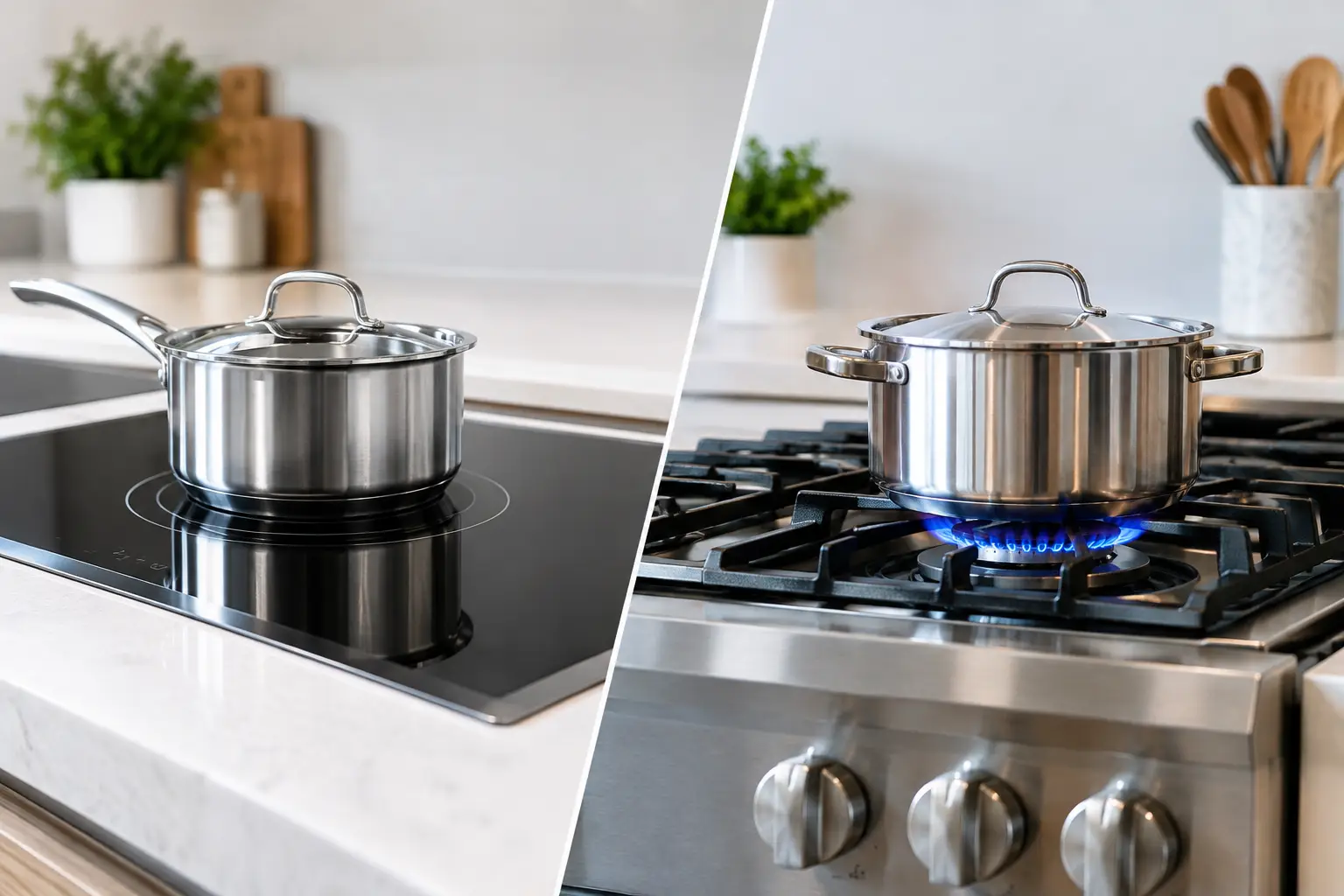
A kitchen upgrade changes more than the way dinner is made. It changes the pace of busy mornings, the comfort of hosting, and the visual center of the room. In the induction cooktop versus gas range decision, the right choice comes down to how you cook, how your home is built, and the atmosphere you want your kitchen to create.
Both options can anchor a beautiful, high-performing space. Gas has enduring appeal for cooks who love a visible flame and responsive heat. Induction brings a sleek, modern surface with remarkable speed, precision, and easy cleanup. Neither is automatically the superior choice. The better fit is the one that supports your routine without compromising the details that make your home feel considered.
Induction Cooktop Versus Gas Range: The Essential Difference
An induction cooktop uses an electromagnetic field to heat compatible cookware directly. The glass surface beneath the pan stays comparatively cool because the pan itself becomes the heat source. A gas range burns natural gas or propane through open burners, sending heat upward around the cookware.
That distinction affects nearly every part of the cooking experience. Induction is known for rapid boiling, steady low-temperature cooking, and a clean-lined appearance. Gas offers instant visual feedback and accommodates nearly every type of pan, from a favorite well-seasoned skillet to a traditional rounded wok used with the right burner setup.
If you are choosing a full range rather than a separate cooktop, also compare the oven configuration. Induction ranges are electric ranges with induction elements on top. Gas ranges may have gas ovens, electric ovens, or dual-fuel designs with a gas cooktop and electric oven. The cooking surface gets most of the attention, but the oven you use for roasting, baking, and entertaining deserves equal consideration.
Why Induction Feels So Refined
Induction is especially compelling in kitchens designed around calm, contemporary function. Its smooth surface creates an uninterrupted plane when it is not in use, which suits minimalist cabinetry, stone-look counters, and open-concept layouts. With no grates or burner wells to work around, wiping up spills is usually quick and straightforward.
Performance is equally persuasive. Because energy goes directly into the cookware, water often comes to a boil faster than it does on a conventional gas burner. Heat adjustments are immediate, and many models hold a gentle simmer with impressive consistency. For delicate sauces, melted chocolate, or a weeknight meal that needs to move quickly, that level of control can feel like a genuine luxury.
Induction also reduces excess heat released into the room. This can make a meaningful difference in a compact kitchen, a warm climate, or a home where the kitchen becomes the gathering place. It is a practical upgrade that supports a more comfortable, polished everyday experience.
There are considerations. Induction requires magnetic cookware. Cast iron, carbon steel, and many stainless-steel pieces work beautifully, while aluminum, copper, and glass only work if they have a magnetic base. A simple magnet test can help assess an existing collection. The glass surface can also scratch if cookware is dragged across it, so thoughtful use and quality cookware matter.
The Lasting Appeal of Cooking With Gas
Gas remains a favorite for good reason. The flame is visible, familiar, and easy to judge at a glance. Many experienced cooks enjoy the tactile ritual of turning a knob, seeing the flame respond, and adjusting a pan’s position for more or less heat. It brings a certain professional-kitchen character to the home.
Gas burners work with virtually any cookware, and they are particularly appealing for cookware that may not be induction-compatible. Open-flame cooking can also be useful for specific techniques, such as charring peppers or quickly blistering a tortilla. If your cooking style is hands-on, expressive, and rooted in familiar tools, gas can feel more intuitive from the first meal.
From a design perspective, a premium gas range can become a statement piece. Sculptural grates, substantial control knobs, and a bold finish add visual weight and craftsmanship to a kitchen. In a traditional, transitional, or chef-inspired space, that presence is often part of the appeal.
The trade-off is cleanup and heat loss. Burner grates, caps, and crevices require more attention than a flat induction surface. Gas cooking also releases combustion byproducts into the kitchen, making effective ventilation an important part of the installation rather than an optional finishing touch.
Speed, Precision, and Everyday Safety
For pure speed, induction usually leads. It transfers heat efficiently and can bring large pots of water to temperature quickly. It also excels at fine adjustments, allowing a pot to move from a vigorous boil to a controlled simmer with little delay.
Gas offers fast response as well, but more heat escapes around the pan. Its strength is visibility: cooks can see the flame and instantly understand the setting. This is more than nostalgia. For some people, especially those who have cooked on gas for years, that visual feedback makes the experience feel more confident and enjoyable.
Safety is personal, but induction has advantages for homes with young children, pets, or crowded kitchen routines. There is no open flame, and the surface around the cookware does not become as hot as a gas grate. Most induction models also recognize cookware, so the element will not heat in the same way when a compatible pan is absent. The pan itself remains hot, of course, and should be treated with the same care as any cooking surface.
Installation Can Decide the Question
Before falling in love with a finish or feature set, assess the infrastructure behind the kitchen. An induction range or cooktop typically needs a dedicated 240-volt electrical circuit. Older homes may require electrical work or even a panel upgrade, which can add to the project budget.
A gas range needs a properly located gas line. If one is already in place, replacing an existing gas appliance may be relatively simple. If it is not, adding a line can involve significant planning and cost. A high-quality vent hood is valuable for both cooking styles, but it is particularly important with gas to remove heat, moisture, and cooking emissions.
For a renovation, this is the moment to think long term. A slightly higher installation cost may be worth it if it gives you the cooking experience, energy source, and visual finish you want for years to come. For a quick appliance replacement, existing connections may reasonably carry more weight.
Design, Energy, and the Cost of Ownership
Induction brings a discreet, architectural look. A flush or low-profile cooktop lets cabinetry, lighting, and countertop materials take the visual lead. It is an elegant choice for homeowners who prefer the kitchen to feel composed rather than equipment-forward.
Gas delivers a more expressive focal point. A freestanding or pro-style range can give a room depth and personality, especially when paired with a substantial hood and carefully chosen hardware. This is not a question of modern versus classic. Either appliance can look exceptional when it is scaled well and matched to the surrounding finishes.
Energy costs vary by utility rates and household habits, but induction’s efficiency is a meaningful advantage. More of the energy used reaches the pan, rather than heating the surrounding air. Gas may be less expensive to operate in some markets, though that benefit should be weighed against ventilation needs, installation costs, and how often the appliance is used.
Which Kitchen Is Each One Best For?
Choose induction if you value fast cooking, easy cleanup, a cooler kitchen, and a streamlined visual effect. It is an excellent match for busy families, design-focused renovators, and anyone ready to invest in compatible cookware and electrical capacity.
Choose gas if you love the visible flame, rely on varied cookware, enjoy flame-based techniques, or want a range with a substantial culinary presence. It can be the natural choice for cooks who already have gas service and prefer the familiar rhythm of an open burner.
For some homes, a dual-fuel range offers a thoughtful middle path: gas burners above, with the even dry heat of an electric oven below. It is often a premium option, but one that can satisfy cooks who want the character of gas without giving up electric baking performance.
The finest kitchen is not defined by the appliance everyone else chooses. It is shaped by the details that make daily life easier and more enjoyable. Whether that means the quiet precision of induction or the lively flame of gas, select the option that makes you want to linger at the counter, cook something generous, and welcome people in.













Leave a comment