
E-Reader Versus Tablet: Which Fits Your Life?
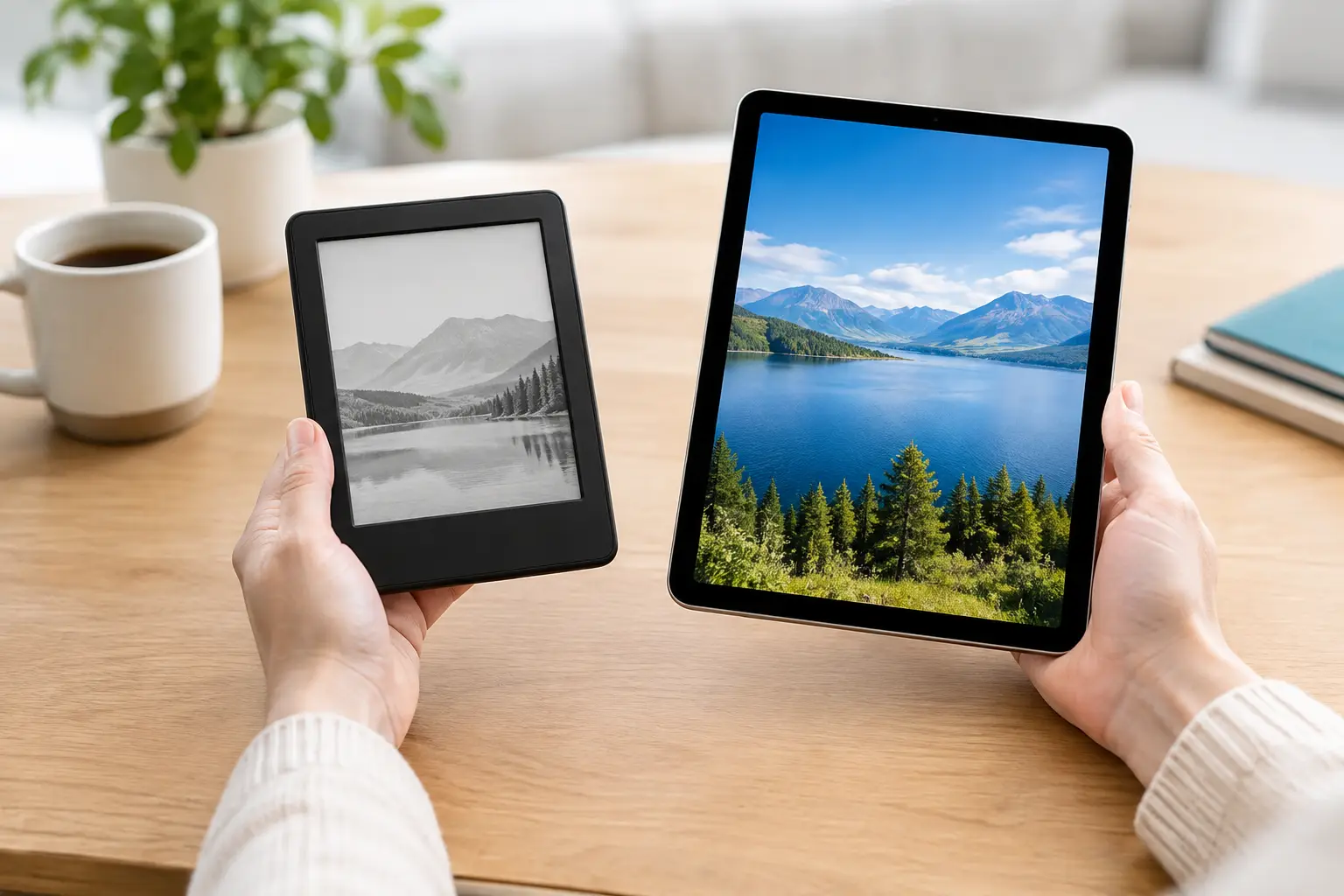
A device for reading can change the feel of a quiet evening, a long flight, or the few unclaimed minutes before bed. In the e-reader versus tablet decision, the better choice is not necessarily the one with more features. It is the one that makes your favorite routines feel more comfortable, focused, and enjoyable.
For many households, there is room for both. An e-reader creates a refined, paper-like space for books, while a tablet brings color, flexibility, and entertainment into one slim screen. The right purchase depends on what you read, where you read, and how much you want your device to do once the book is closed.
E-Reader Versus Tablet: The Essential Difference
An e-reader is built around reading. Most use e-ink technology, which reflects ambient light rather than shining light directly at your eyes in the same way a traditional display does. The result is a calm, page-like appearance that remains remarkably legible outdoors. It is a purposefully limited device, and that limitation is often its greatest luxury.
A tablet is a versatile digital companion. Its bright color display can handle books, magazines, newspapers, videos, video calls, games, web browsing, note-taking, and more. It offers the convenience of an all-in-one technology piece, especially for a home where shared entertainment and everyday organization matter.
Think of the distinction this way: an e-reader is a dedicated reading chair, selected for comfort and focus. A tablet is a beautifully organized living space, ready to adapt to whatever the day brings.
Choose an E-Reader for Uninterrupted Reading
If reading is one of your favorite forms of rest, an e-reader is difficult to beat. The screen is designed for extended sessions, whether you are working through a new novel on the patio, reading a business title during your commute, or settling in with a memoir before sleep.
A more comfortable screen for long sessions
E-ink displays are gentle and exceptionally readable in bright conditions. Unlike glossy tablets, they do not become difficult to see beside a sunny window or outdoors. Many e-readers also offer adjustable front lighting and warm color settings, giving you more control over nighttime reading without turning a peaceful ritual into another hour of bright-screen exposure.
This does not mean every reader will find an e-reader automatically more comfortable. Display preferences are personal, and a high-quality tablet with brightness controls can work well for shorter reading periods. But for people who finish several books a month, the quieter visual experience of e-ink has lasting appeal.
A battery that keeps pace with travel
E-readers are known for battery life measured in weeks rather than hours. That is especially useful for weekend escapes, business trips, and carry-on-only travel, where one less charger adds a welcome layer of simplicity.
Their compact, lightweight designs are equally appealing. A slim e-reader can slip into a tote, nightstand drawer, or travel bag with very little effort, yet carry a personal library that would otherwise occupy several shelves.
Fewer distractions, more immersion
An e-reader keeps the focus on the page. Notifications, social feeds, and streaming apps are generally absent or far less central to the experience. For readers trying to make more room for reflection, learning, or simple enjoyment, that restraint can feel premium in its own right.
It is also a thoughtful choice for children and teens who love books but do not need unrestricted access to the wider internet every time they open a device. The key is to select parental controls and library settings that suit your household.
Choose a Tablet for Color and Capability
A tablet earns its place when reading is only one part of your digital life. It is an elegant choice for people who enjoy illustrated cookbooks in the kitchen, design magazines on the sofa, travel planning at the dining table, and a favorite show during downtime.
Better for visual content
Color is the tablet’s clearest advantage. Graphic novels, children’s picture books, art titles, magazines, textbooks, and richly photographed travel guides all look more vivid on a quality tablet display. If the visual design of a page is part of the pleasure, a tablet presents it as intended.
This matters beyond entertainment. A tablet can display room inspiration, product manuals, recipes, mood boards, and digital guides in full color, making it useful for a lifestyle that blends home projects, wellness goals, and personal development.
More than a reading device
With the right accessories, a tablet can become a practical work and planning tool. A keyboard case supports email and light writing, while a stylus can make note-taking, sketching, and document annotation feel more natural. It can also serve as a portable control center for calendars, smart-home systems, video calls, and family schedules.
That flexibility comes with trade-offs. Tablets usually cost more, need charging more often, and make distraction easier. A message notification can quickly interrupt a chapter, while the temptation to switch from a book to a browser is always close at hand.
A better fit for shared use
For a household that prefers one device with many uses, a tablet may offer stronger overall value. It can entertain children on a road trip, help a parent follow a recipe, provide video access for a workout, and deliver reading material afterward. A protective case and a designated charging spot help it remain a polished, dependable part of the home rather than another loose piece of technology.
Consider the Reading Experience You Actually Want
The most useful question is not, “Which device is better?” Ask, “What do I want this device to make easier?” Your answer will often make the choice clear.
Choose an e-reader if you mainly read novels, nonfiction, and long-form titles; want exceptional battery life; spend time outdoors; or would welcome a more focused screen. It is the understated choice for someone who values a dedicated ritual and wants a library available at a moment’s notice.
Choose a tablet if you read visual publications, want one device for work and entertainment, regularly use apps, or prefer annotating documents in color. It is the more expansive choice, particularly for people who enjoy technology as a flexible part of their home and routine.
Budget deserves attention as well. Entry-level e-readers can be a smart, long-term investment for frequent book buyers, while premium models may add waterproofing, larger displays, stylus support, or more storage. Tablet pricing varies widely based on display quality, storage, processing power, cameras, and accessories. Paying for features you will genuinely use is more satisfying than choosing the most advanced option on paper.
Design Details That Make a Difference
Technology should feel considered in your hands and at home. Before choosing, pay attention to the details that shape daily use: screen size, weight, charging connection, storage, case options, and how the device feels after thirty minutes of reading.
A larger screen can be wonderful for PDFs, magazines, and split-screen tablet work, but it may be less comfortable to hold one-handed in bed. A smaller device is more portable, although it may require more page turns or feel cramped with larger text. If you read in the bath, near a pool, or on the patio, water resistance may be worth prioritizing.
Accessories deserve the same thoughtful approach. A well-made cover protects the device, creates a more finished look, and can add a stand for hands-free reading. For tablets, a keyboard or stylus should serve a real habit, not simply add to the cart. The best setup feels effortless because every piece has a purpose.
The Case for Owning Both
For avid readers who also value digital convenience, an e-reader and tablet can complement each other beautifully. The e-reader becomes the device for reading deeply, traveling lightly, and enjoying bright outdoor spaces. The tablet handles the colorful, connected, and creative side of daily life.
There is no need to treat this as an either-or decision if each device supports a distinct routine. A carefully chosen technology collection can make your time feel more intentional: fewer compromises while reading, more capability when planning, creating, or relaxing.
Choose the screen that supports the version of your day you want more often. A book deserves a device that lets you stay with it, and a busy life deserves technology that feels as considered as the rest of your space.










Leave a comment