
Smart Lighting vs Table Lamps: Which Fits?
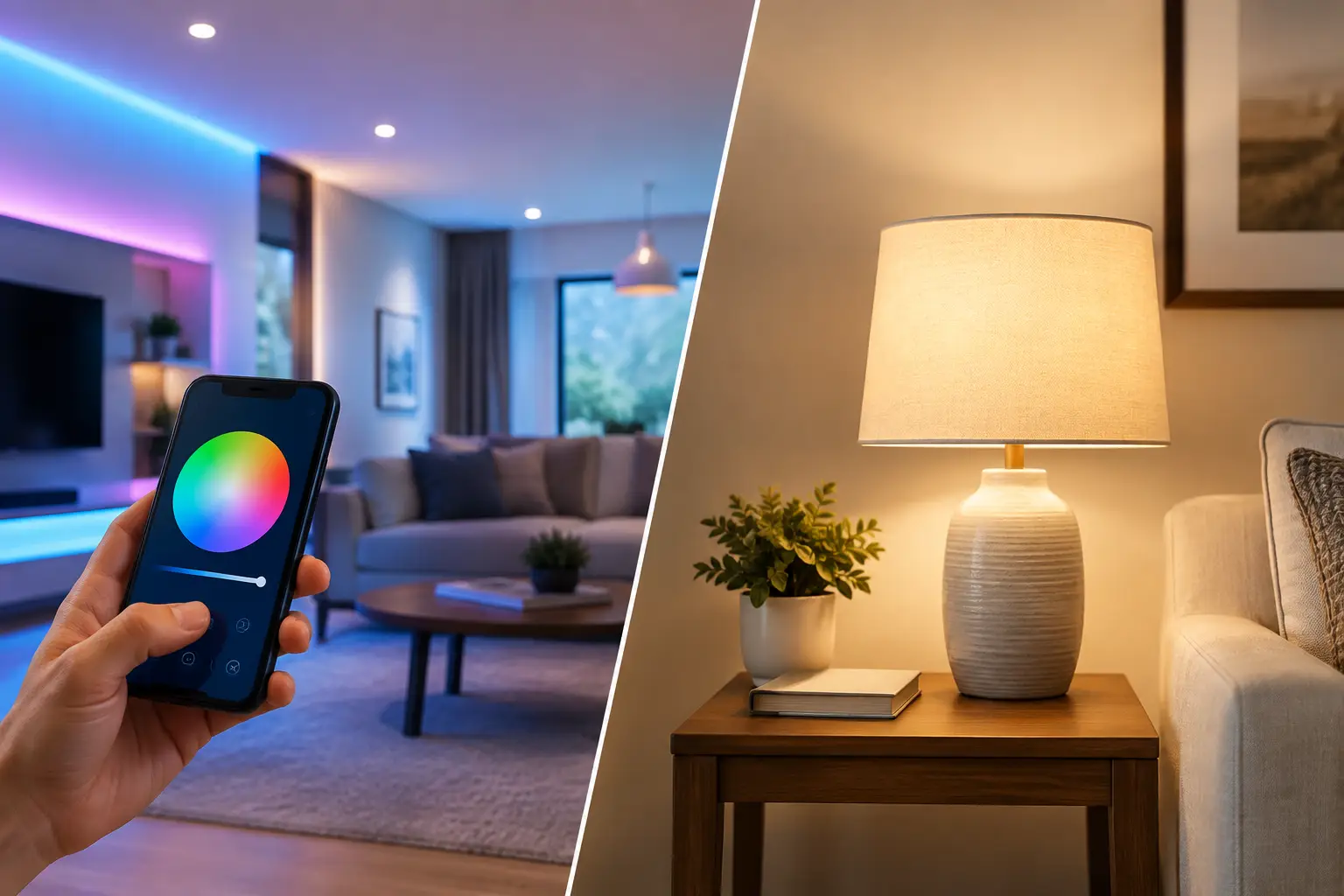
A living room can look beautifully finished at noon and feel strangely flat by 8 p.m. The difference is rarely another piece of furniture. It is often the lighting. When considering smart lighting vs table lamps, the best choice is not simply about new technology or classic décor. It is about how you want a room to feel, function, and welcome you home.
Smart bulbs and connected fixtures bring control, flexibility, and atmosphere at the touch of a button. Table lamps deliver sculptural presence, warm pools of light, and a sense of permanence that makes a room feel considered. For many homes, the most refined answer is a thoughtful mix of both.
Smart Lighting vs Table Lamps: The Real Difference
Smart lighting is designed around adaptability. Depending on the system, you can adjust brightness, shift color temperature, set schedules, create scenes, and control lights through an app, voice assistant, or wireless switch. It is especially appealing for busy households, renters who want a modern upgrade without rewiring, and anyone who likes their home to respond to the rhythm of the day.
Table lamps are designed around presence. A finely chosen lamp adds height to a console, softens the corner of a bedroom, and gives a sofa table or nightstand a finished purpose. Even before it is switched on, it contributes material, proportion, and personality. A ceramic base can bring quiet texture; brushed metal feels tailored and contemporary; a pleated shade introduces softness.
The distinction matters because light is both functional and visual. Smart lighting excels at changing the experience of a room. Table lamps excel at anchoring the look of one.
Choose Smart Lighting When Control Matters Most
Smart lighting earns its place in spaces that serve more than one purpose. A kitchen may need bright, clean light for dinner preparation, then a softer glow when guests gather around the island. A home office benefits from focused light during the workday and a warmer setting once the laptop is closed. With smart bulbs or smart fixtures, those shifts can happen without replacing lamps or walking from switch to switch.
This convenience extends beyond the obvious. Timers can gently brighten a hallway before the morning rush or switch on selected lamps when you are traveling. Dimming lets you make a space feel more inviting without committing to a full renovation. For a media room, preset scenes can reduce glare and give movie night a more polished, theater-like mood.
Color temperature is one of the most useful features. Cooler white light can feel clear and alert for task-oriented moments, while warm white light tends to feel relaxed and flattering after dark. Not every room needs vivid color-changing effects. In a premium home, the most elegant use of smart lighting is often subtle: warm, dimmed illumination that makes materials and furnishings look their best.
There are trade-offs. Smart bulbs depend on compatible fixtures, reliable Wi-Fi or a hub in some cases, and a little patience during setup. Certain systems may need an app update or a replacement bulb with a specific fitting. If the wall switch is turned off, a smart bulb cannot respond until power is restored. These are manageable considerations, but they are worth understanding before you outfit an entire home.
Choose Table Lamps When the Room Needs Character
A table lamp does something overhead lighting rarely can: it creates an intimate layer at eye level. This is the light that makes a reading chair feel inviting, a bedside table feel complete, and an entry console feel intentional. It also gives you a chance to introduce a material or silhouette that elevates the room without taking up much space.
In bedrooms, table lamps remain hard to surpass. A matching or complementary pair beside the bed gives each person accessible light for reading, winding down, or getting ready without flooding the room with ceiling light. Select shades that diffuse light gently, and consider bulbs with a warm color temperature for a more restful setting.
In a living room, lamps prevent the space from relying on one central ceiling fixture. Place one beside a sofa or accent chair, then balance it with another source of light across the room. The result feels layered rather than overly lit. A lamp with a substantial base can also hold its own beside larger furniture, while a slender profile may be better suited to a narrow side table.
The practical limitation is that a table lamp has a fixed job. It illuminates a defined area, and its effect depends on its shade, bulb, placement, and height. It also requires a surface, an outlet, and occasional attention to cords. Yet these constraints are part of its charm. A lamp is a deliberate furnishing choice, not just a utility.
Size and Scale Make the Difference
The most expensive lamp can look out of place if the proportions are wrong. On a side table, the lampshade should generally sit at a height where it does not expose the bulb to someone seated nearby. On a nightstand, it should provide useful light without dominating the headboard or crowding the surface.
Think about the visual weight of the room as well. A bold marble, glass, or sculptural lamp base can bring distinction to a simple space. In a room with patterned upholstery, richly grained wood, or statement art, a quieter lamp may offer better balance. Premium design is rarely about making every piece compete.
The Most Elevated Approach: Use Both in Layers
The smart lighting vs table lamps question becomes much easier when you stop treating it as an either-or decision. Smart lighting can provide the flexible foundation, while table lamps supply warmth, detail, and visual rhythm.
Start with the light your room needs to function. A kitchen, workspace, bathroom vanity, or dark hallway may benefit most from smart overhead lighting, smart recessed lights, or connected bulbs that can be scheduled and dimmed. Then introduce table lamps where people linger: beside seating, next to the bed, on a credenza, or in an entryway.
This layered approach also creates a more luxurious visual effect. Rather than turning on every ceiling light, you can use table lamps for an evening glow and reserve brighter smart lighting for tasks or entertaining. The room feels more dimensional, and you gain control without sacrificing the character that decorative lighting brings.
A smart plug can be a particularly useful bridge between the two. It can give a favorite traditional table lamp scheduling and remote control while preserving its original form. This is an excellent option for a statement lamp you already love or a distinctive piece selected for its craftsmanship.
Room-by-Room Guidance for a Refined Home
In the living room, prioritize layered lighting. Use smart bulbs or connected overhead fixtures for adaptable brightness, then add one or two table lamps to define conversation areas. The table lamps should feel like part of the furniture arrangement, not afterthoughts pushed against a wall.
In the bedroom, table lamps are often the first choice for comfort and symmetry. Smart bulbs inside those lamps can add practical benefits, such as gentle wake-up routines or lights that turn off without leaving the bed. Choose warm settings at night to support a calmer atmosphere.
In the home office, smart lighting is especially useful because work demands can change throughout the day. Pair it with a focused desk lamp if you read, sketch, or work with detailed materials. Avoid placing a lamp where it creates screen glare or harsh shadows across the work surface.
In the entryway, a table lamp can make an immediate impression. It offers a welcoming glow and gives a console table a polished focal point. If the entry is used late at night, a smart bulb or plug adds the convenience of scheduled illumination.
In the dining room, smart dimming is often more valuable than color effects. The ability to soften the room for dinner, then brighten it for cleanup, makes entertaining easier. A nearby buffet lamp can add a layer of hospitality and draw attention to serving pieces or art.
What to Look for Before You Buy
Focus on quality where it will be seen and used every day. For table lamps, consider the base material, shade construction, switch placement, cord length, and whether the scale suits the intended surface. A beautifully made lamp should feel substantial, stable, and proportionate from every angle.
For smart lighting, check bulb bases, brightness output, dimmer compatibility, control options, and whether the system works with the devices you already use. If you want a calm, sophisticated home rather than a novelty display, prioritize reliable dimming and adjustable white light over features you may never use.
Also consider the bulb itself. A high-lumen bulb may be ideal for a task area but uncomfortable in a small bedroom lamp. A warm 2700K to 3000K setting is often flattering for living spaces, while brighter neutral light can suit work zones. The right specification makes a premium fixture perform as beautifully as it looks.
The best lighting choice should make everyday moments feel easier and more considered. Let smart lighting handle the shifts in your schedule, and let table lamps bring the glow, scale, and sophistication that turn a house into a home you are happy to settle into.









Leave a comment