AI & Technology for Better Everyday Living
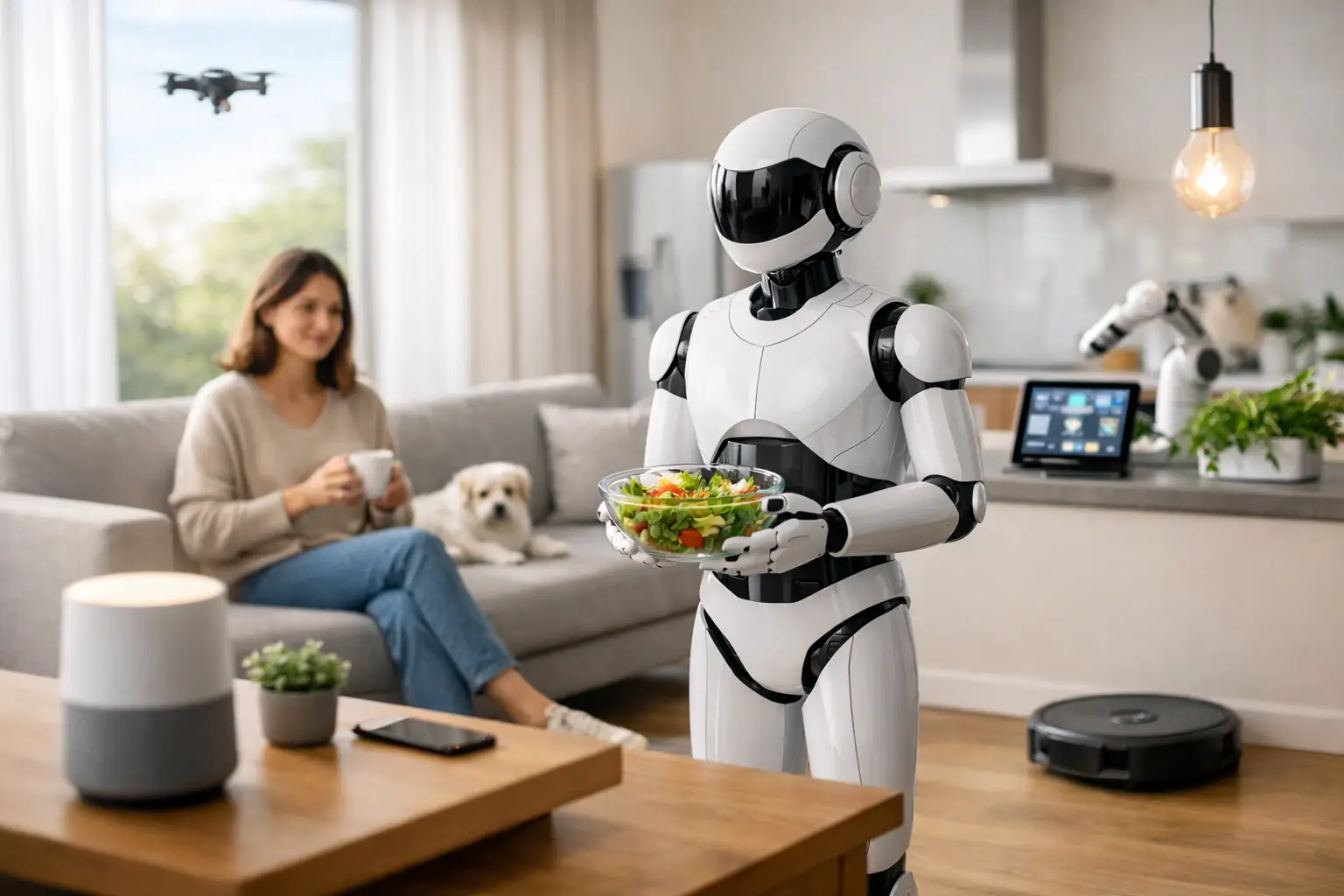
A thermostat that learns your schedule, a robot vacuum that maps your rooms, a writing assistant that helps you move faster at work – ai & technology are no longer future-facing luxuries reserved for early adopters. They are becoming part of the modern home and a more refined daily routine, quietly shaping how people organize, shop, create, and relax.
What makes this shift interesting is not novelty alone. It is the way intelligent tools are blending into products people already want for comfort, design, and convenience. The best technology now feels less like a gadget for its own sake and more like a thoughtful layer added to everyday living. For shoppers who value quality and a curated lifestyle, that difference matters.
Why ai & technology now feel more personal
For years, consumer tech often leaned cold, complicated, or overly technical. You bought a device, then had to adapt your habits around it. That model is changing. Today, many of the most appealing products are built to fit the home and the person using them, not the other way around.
That means smart lighting that responds to routines instead of demanding constant adjustments. It means wellness devices that track useful patterns without turning self-care into a full-time project. It means kitchen equipment, security systems, and entertainment products that save time while still looking considered in a well-designed space.
This is where AI changes the experience. Traditional technology follows commands. AI-enhanced technology begins to recognize preferences, anticipate needs, and reduce friction. The result can feel subtle, but subtle is often what premium shoppers appreciate most. A beautifully designed product that also thinks ahead has a different kind of value.
The rooms where AI & technology matter most
Not every category benefits from added intelligence in the same way. Some products genuinely improve with AI, while others simply use the label as marketing. Knowing the difference helps consumers choose well.
The home office
In the home office, AI tends to provide immediate returns. Noise-canceling devices can adapt in real time to your environment. Smart assistants can help manage schedules, summarize notes, or speed up repetitive digital tasks. Lighting systems can adjust throughout the day to support focus and reduce fatigue.
Still, more capability does not always mean a better setup. If a workspace becomes crowded with apps, notifications, and connected devices, the result can feel less calm, not more productive. The strongest office technology respects attention. It should create clarity, not compete for it.
The kitchen
The kitchen is becoming one of the most practical spaces for intelligent upgrades. Smart ovens, precision coffee systems, and connected cooking tools can improve consistency and reduce guesswork. For busy households, that can mean fewer small decisions and a smoother routine.
There is a style question here too. Premium kitchen products should do more than perform well. They should complement the space. A countertop appliance may offer advanced features, but if it looks cluttered or overly industrial in a polished kitchen, the fit may be wrong. Good technology belongs to the room as much as it belongs to the task.
Wellness and personal care
Wearables, recovery tools, and app-connected wellness devices have pushed AI further into personal routines. These products can offer useful insights around sleep, stress, movement, and habit patterns. At their best, they encourage more intentional living.
But there is a trade-off. More data does not automatically create better health. Some users feel motivated by metrics, while others feel burdened by them. The right wellness technology should support the person, not create another stream of pressure. Elegant design and simplicity are part of the equation here, not an afterthought.
Home security and comfort
Security cameras, smart locks, sensors, and climate systems are among the clearest examples of AI delivering everyday value. These tools can identify unusual activity, reduce energy waste, and make a home feel more responsive.
Even so, convenience should be balanced with trust. Products that rely on cameras, voice control, or data collection need a stronger standard of reliability. Consumers are right to care about privacy, software support, and how long a product will remain useful before it feels outdated.
What premium shoppers should look for
The market is full of products promising smart living, but premium buying calls for more discernment. A lower-priced device with flashy features may be tempting, yet it often shows its limits quickly through poor materials, clumsy design, or weak integration.
When evaluating AI and technology products, the first question is simple: does this improve daily life in a meaningful way? Convenience is valuable, but only when it is consistent. A product that works beautifully once and frustrates you the next five times is not a luxury. It is clutter with a power button.
The second question is about design. In a well-considered home, technology should not feel intrusive. Materials, finish, scale, and visual restraint all matter. The best pieces blend functionality with polish, whether they are placed in a kitchen, office, bedroom, or patio lounge.
The third question is longevity. AI features evolve quickly, which creates a familiar tension in technology shopping. You want something current, but you also want something that will not feel irrelevant in a year. This is why build quality, brand reliability, and software support matter almost as much as the intelligence itself.
The real appeal of AI & technology is less effort
There is a common assumption that people buy advanced technology for excitement. Sometimes that is true. More often, they buy it for relief. They want fewer repetitive tasks, smoother mornings, more control over their environment, and systems that make a busy life feel better managed.
That practical appeal is what makes this category such a natural fit within a premium lifestyle. A beautiful home is not only about appearance. It is also about how the space functions. A refined routine is not only about aesthetics. It is about reducing noise, friction, and wasted time.
In that sense, AI is becoming part of a broader standard for modern living. Consumers increasingly expect products to be intuitive. They want electronics that adapt, home tools that simplify chores, and digital resources that help them make smarter decisions. Not because they are chasing trends, but because they are curating a more efficient and comfortable way to live.
Smarter shopping in a crowded category
AI and technology can be exciting to shop, but they are also easy categories to overbuy. It helps to think less about owning more smart products and more about choosing the right few. A single well-selected upgrade can change a routine more than five average purchases ever will.
That may mean prioritizing one standout product for the home office instead of filling the desk with accessories. It may mean choosing one elegant wellness tool you will actually use. It may mean upgrading a daily-use kitchen appliance rather than experimenting with niche gadgets that end up in storage.
Curated shopping matters here. When a retailer presents technology alongside home, lifestyle, and wellness categories, it becomes easier to evaluate products in context. You are not just asking whether a device is advanced. You are asking whether it belongs in your routine, your room, and your version of elevated living. That is a more useful standard.
Where the category goes next
The next wave of AI-driven products will likely feel even less conspicuous. Instead of dramatic standalone features, we will see better personalization, quieter automation, and design that is more integrated into the home. The strongest products will not ask for attention at every moment. They will earn their place by making the day run more beautifully.
That is good news for consumers who care about quality, convenience, and style in equal measure. As the market matures, the conversation around AI & technology is moving away from hype and toward fit. Which tools genuinely improve the way you live? Which products deserve space in your home? Which features feel premium because they are useful, elegant, and dependable?
Those are the questions worth asking before you buy. And when the answer is right, technology stops feeling like an extra. It becomes part of a home and a routine that simply work better.










Leave a comment