Are Smart Kitchen Appliances Worth It at Home?
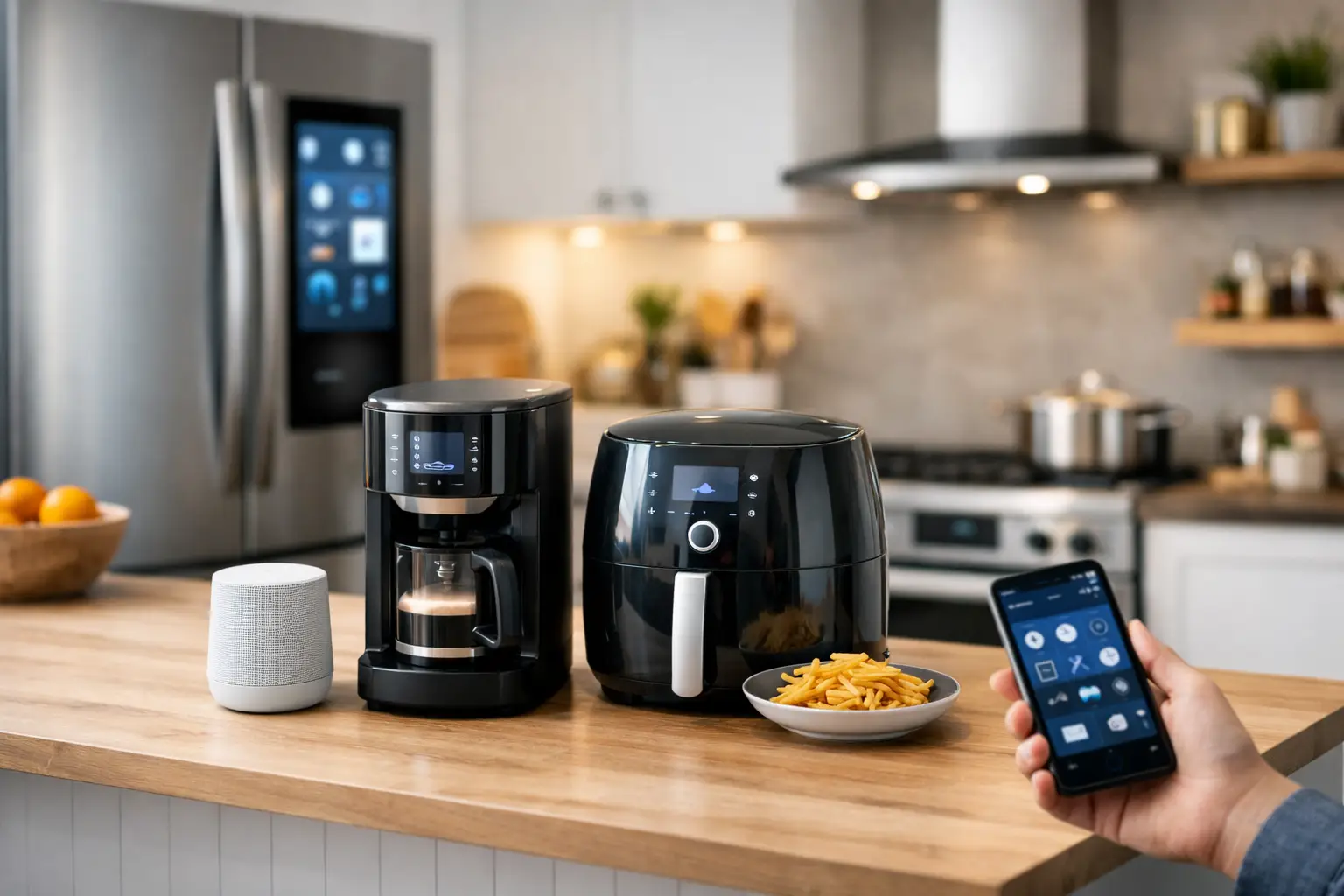
The question is not whether a refrigerator can send a notification or a countertop oven can follow a recipe on a screen. The better question is: are smart kitchen appliances worth it for the way you actually cook, host, shop, and manage your home? For many households, the answer is yes, but only when the technology adds real ease to a kitchen that already values quality, thoughtful design, and dependable performance.
A connected appliance should feel like a considered upgrade, not another device demanding attention. The best options reduce small daily frictions, support better results, and fit naturally into a polished home. The wrong ones can add cost, complexity, and one more app to ignore.
Are Smart Kitchen Appliances Worth It for Your Routine?
Smart kitchen appliances earn their place when their connected features solve a recurring problem. A smart oven that preheats remotely may be useful for a busy family coordinating dinner after work. A precision cooker with guided settings can be valuable for someone who wants restaurant-level consistency without constant monitoring. A coffee maker scheduled to brew before an early morning can turn a rushed routine into a calmer one.
The value is less clear when the feature is decorative rather than useful. A touchscreen is not automatically an improvement if physical controls would be faster and more intuitive. Voice control can be convenient with messy hands, but it should never be the only practical way to operate an appliance. Premium design means considering the complete experience, including what happens when Wi-Fi is down or a guest needs to use the appliance without instructions.
For style-conscious homeowners and renters, smart appliances can also support a cleaner visual environment. Many newer models combine refined finishes with streamlined controls, replacing cluttered buttons and standalone timers with more intentional interfaces. Still, elegant hardware and strong core performance matter more than a long feature list.
Where Smart Features Make a Real Difference
The most worthwhile smart features tend to fall into three categories: remote visibility, guided cooking, and energy or inventory management. Each can make everyday life feel more organized when used with purpose.
Remote control and status alerts
Remote controls are especially helpful for appliances with long run times or a need for monitoring. Think dishwashers that alert you when a cycle is complete, ovens that confirm they have reached temperature, or refrigerators that notify you when a door is left open. These are modest conveniences, but they prevent the kind of interruptions that make a home feel less efficient.
Safety deserves a measured view here. Remote preheating can be convenient, yet it should be used thoughtfully. Appliances that heat, cook, or dispense water should have clear safety protections and should never be operated remotely in a way that leaves a home unattended or creates a hazard.
Guided cooking and precision
Smart cooking tools can be genuinely transformative for people who want better meals with less guesswork. Connected ovens, air fryers, multicookers, and sous vide devices can offer presets, temperature probes, timed cooking programs, and step-by-step guidance. This is particularly appealing for newer cooks, busy parents, and hosts who want confidence when preparing a special meal.
The advantage is not that an appliance replaces skill. It is that it handles repeatable details with greater consistency. A probe that alerts you when a roast reaches the right internal temperature can protect an expensive cut of meat. A steam oven with well-designed cooking modes can help produce more even results. These features support a more relaxed, capable kind of cooking.
Planning, inventory, and energy awareness
Smart refrigerators receive plenty of attention, though their value depends heavily on household habits. Internal cameras and inventory tools may help families avoid duplicate purchases or remember what needs to be used before a grocery run. For someone who shops frequently and keeps a simple kitchen, those features may be unnecessary.
Energy monitoring can be more broadly useful, especially with larger appliances. Seeing usage patterns, receiving maintenance reminders, and choosing off-peak cycles where available can make ownership more intentional. Savings are rarely dramatic enough to justify a purchase by themselves, but they can add practical value over the life of a premium appliance.
The Costs Beyond the Price Tag
Smart appliances typically command a higher upfront price, and premium buyers should look beyond the sticker. Consider installation requirements, app compatibility, warranty coverage, replacement parts, and the expected lifespan of the connected platform. A beautiful appliance should remain functional and enjoyable even if its app changes years from now.
Privacy is another reasonable consideration. Any product connected to a home network may collect usage data. Before purchasing, review what information the manufacturer gathers, whether data sharing can be limited, and how security updates are handled. Choose established brands with transparent policies and a record of supporting their products after launch.
There is also a subtle cost: attention. A kitchen should be a place for meals, conversation, and rituals, not a wall of notifications. The most refined smart setups use alerts sparingly. A useful notification tells you dinner is ready or a filter needs replacing. An excessive one turns convenience into digital clutter.
How to Choose a Smart Appliance With Lasting Value
Start with the appliance category that creates the most friction in your household. If weeknight cooking feels rushed, a connected oven or multicooker may offer more value than a smart refrigerator. If mornings are chaotic, a programmable coffee system could be the better investment. Buying technology around a real routine is far more satisfying than buying it for novelty.
Next, make sure the appliance excels at its primary job. A smart dishwasher should clean exceptionally well and operate quietly. A smart range should provide responsive heat and reliable temperature control. Connectivity is an enhancement, not an excuse for mediocre craftsmanship.
Look for controls that work beautifully on the appliance itself. An app should add flexibility, not become a required middleman. It is wise to favor products with manual settings, clear displays, and useful physical controls, particularly for essential daily appliances.
Finally, consider how the piece will live in your space. Finish, scale, cord management, countertop footprint, and visual harmony all matter. A kitchen upgrade should feel integrated into the room, whether your style leans warm and traditional, clean and contemporary, or quietly luxurious. At Vellenor, this balance of practical innovation and elevated living is what makes a product feel considered rather than merely new.
When Conventional Appliances Are the Better Choice
Not every kitchen needs to be connected. A conventional appliance can be the more elegant choice for occasional cooks, people who prefer simple controls, or anyone replacing a reliable product on a tight timeline. It can also be the better choice when the smart version offers only novelty features without a meaningful improvement in cooking quality, convenience, or maintenance.
The same is true for kitchens with several users. If children, older relatives, housekeepers, or frequent guests need to use the appliance, simplicity has real value. Intuitive controls and clear performance often create a better shared experience than a sophisticated interface with a learning curve.
Smart features are also less compelling when your routine is already steady. If you enjoy being present while cooking, keep a well-organized pantry, and rarely need remote controls, investing in superior materials, quieter operation, or professional-grade performance may be the more rewarding route.
A Better Standard for a Smarter Kitchen
The finest smart kitchen appliances are not impressive because they connect to your phone. They are worth owning because they make a meal easier to prepare, a busy evening more manageable, or a beautifully designed kitchen more pleasant to use. Choose the technology that quietly supports your habits, then let the space remain centered on the people gathered in it.













Leave a comment