Best Furniture for Open Layouts at Home
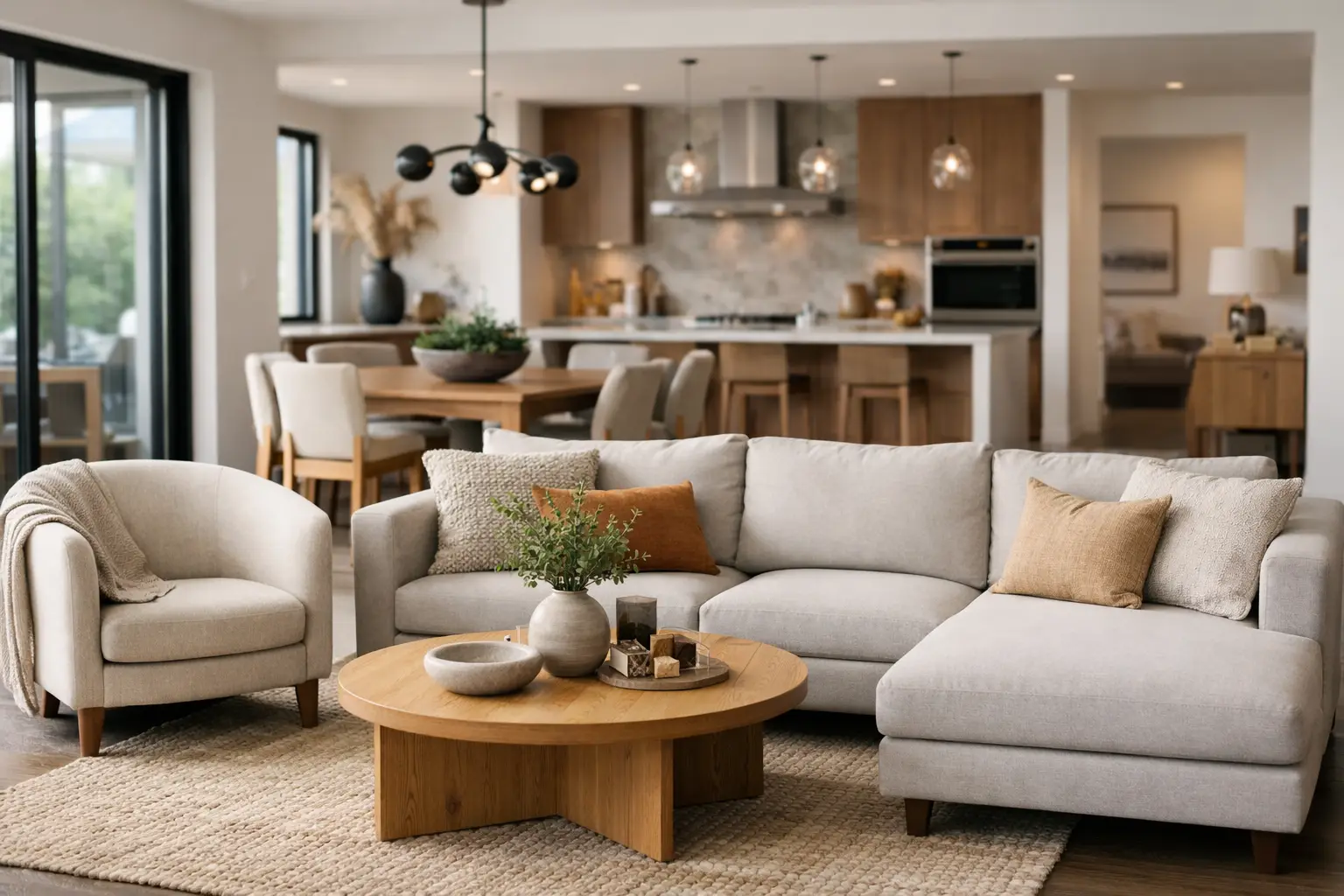
An open layout can look stunning in photos and still feel slightly off in real life. The sofa floats awkwardly, the dining area feels disconnected, and every piece seems to compete for attention. Choosing the best furniture for open layouts is less about filling space and more about giving the room shape, rhythm, and purpose.
The right pieces make a large, shared space feel calm and intentional. They create natural boundaries without closing the room in, and they help everyday life flow a little better, whether you are hosting friends, working from home, or simply trying to make a kitchen, dining area, and living room feel like they belong together.
What the best furniture for open layouts does well
Open-concept homes ask more of furniture than traditional rooms do. A single piece is often visible from several angles, which means scale, finish, and silhouette matter more. Function matters too. In a closed room, walls do some of the work. In an open plan, furniture has to define zones, guide movement, and maintain a polished look from every side.
That is why oversized, bulky pieces can sometimes work against the room, even if they are comfortable. The goal is not to choose the biggest seating or the most dramatic table. It is to choose furniture with presence and purpose. Clean lines, elevated materials, and thoughtful proportions usually perform best because they bring sophistication without visual heaviness.
There is also a practical trade-off. Open layouts feel airy, but they can lack storage, privacy, and acoustic softness. The smartest furniture choices solve these issues quietly, through built-in storage, layered upholstery, and pieces that create subtle separation.
Start with a sofa that can anchor the space
In most open layouts, the sofa is the piece that sets the tone. It acts as a visual divider between the living area and the spaces around it, so shape matters just as much as comfort. A low-profile sectional can work beautifully when you need generous seating and a clear boundary. It draws a line around the living zone without making the room feel blocked.
If the room is narrower or more formal, a well-scaled straight sofa paired with two accent chairs often gives you more flexibility. This arrangement keeps sightlines open and allows the space to feel lighter. It also makes it easier to adjust the layout over time.
Look closely at the back of the sofa before you buy. In an open floor plan, the back is often on display, so tailoring, upholstery quality, and overall finish should feel as considered as the front. This is where premium furniture stands apart. Strong craftsmanship shows in the details people usually overlook.
Use dining furniture to create structure, not clutter
Dining areas in open layouts need definition, but they should not interrupt the natural flow of the room. A round dining table is often one of the most effective choices because it softens the hard lines of kitchens and living spaces while making movement around it easier. It is especially useful in smaller open plans where every inch counts.
A rectangular table can be equally elegant in larger rooms, but proportion is everything. If the table is too long or heavy, the dining zone starts to dominate the entire space. Look for designs with refined legs, slimmer tops, or mixed materials that feel substantial without appearing dense.
Dining chairs should complement nearby furniture rather than match it too perfectly. Open layouts benefit from a curated look, not a showroom set. Upholstered chairs can add softness and comfort, especially when kitchens introduce a lot of stone, metal, and cabinetry. Just keep maintenance in mind if the area gets heavy daily use.
The best furniture for open layouts includes smart storage
Storage furniture becomes far more valuable when walls are limited. In an open room, clutter spreads fast, and even small items can disrupt the sense of ease you want from the space. That is why sideboards, consoles, and storage benches often become essential pieces rather than extras.
A sideboard in the dining area can hold serveware, linens, and everyday essentials while giving the zone visual weight. A console table behind a sofa can create a polished transition between the living room and a walkway, especially when styled with restraint. Storage ottomans are another strong choice because they deliver comfort, flexibility, and hidden function in one piece.
The best options do not look purely utilitarian. They feel tailored, refined, and integrated into the overall design story. In a premium setting, storage should support the room quietly, not announce itself.
Accent chairs, benches, and ottomans add flexibility
One of the challenges of an open floor plan is that life in it changes constantly. Sometimes the room needs to handle a quiet evening at home. Other times it needs to host guests, create extra seating, or support multiple activities at once. Flexible furniture makes that easier.
Accent chairs are especially effective because they can complete a seating area without adding bulk. Swivel chairs work well in open layouts since they can turn toward the conversation area or face another part of the room as needed. This small detail can make a large shared space feel more responsive and comfortable.
Benches and ottomans are equally useful. A bench can serve the dining area, sit under a window, or act as a transitional piece near an entry. An ottoman can function as a footrest, coffee table, or extra seat. These pieces help an open layout feel layered and livable rather than rigid.
Choose tables with lighter visual weight
Coffee tables and side tables may seem secondary, but they have a major effect on how open a room feels. Heavy, blocky tables can interrupt sightlines and make a layout feel crowded. Pieces with slimmer frames, open bases, glass surfaces, or rounded edges usually preserve a better sense of flow.
This does not mean everything should look delicate. Open layouts still need grounding elements. The key is balance. If your sofa is plush and substantial, a lighter coffee table can offset it. If your dining table has a bold presence, more minimal side tables nearby can keep the room from feeling overdesigned.
Nested tables are another strong option for homes that need flexibility. They expand when entertaining and tuck away when you want more breathing room. It is a practical detail, but in an open plan, practical details often have the biggest visual payoff.
Rugs help furniture work harder
Technically, rugs are not furniture, but they are one of the most effective tools for making furniture placement feel intentional. In an open layout, a rug defines a living area instantly and gives floating furniture a sense of belonging. Without it, even beautiful pieces can look scattered.
The scale of the rug matters. Too small, and the room feels pieced together. Generously sized rugs create cohesion and elevate the overall look. They also soften sound, which is often an overlooked issue in open homes filled with hard surfaces.
When choosing furniture, think about how each piece will sit on the rug. Front legs on, all legs on, or fully off can all work, but the arrangement should look deliberate. This is where good design stops a room from feeling accidental.
Materials and silhouettes matter more in open spaces
Because open layouts expose furniture from multiple vantage points, materials need to work together across the room. Wood tones, metal finishes, upholstery, and stone surfaces do not need to match, but they should feel curated. Too many competing finishes can make the entire space feel unsettled.
Silhouettes matter just as much. Furniture with clean profiles, refined edges, and thoughtful detailing tends to perform best because it feels sophisticated from every angle. Pieces that are attractive only from the front often disappoint in an open plan.
If you love statement furniture, use it selectively. One sculptural chair or richly finished dining table can elevate the room. Several bold pieces at once can make the space feel visually busy. Open layouts reward restraint.
A better open layout feels designed, not divided
The most successful open spaces are not empty and they are not overfilled. They are edited. Every piece has a role, whether it is anchoring, separating, softening, or storing. That is what makes the best furniture for open layouts worth choosing carefully. It does more than look beautiful. It shapes how the entire home feels.
If you are furnishing an open-concept space, think in zones, shop for quality you can see from every angle, and favor pieces that bring elegance with function. At Vellenor, that kind of elevated selection is exactly what turns a wide-open room into a home that feels refined, welcoming, and easy to live in.
A well-furnished open layout should not just impress at first glance. It should make the whole day feel more graceful.









Leave a comment