10 Best Home Espresso Grinders
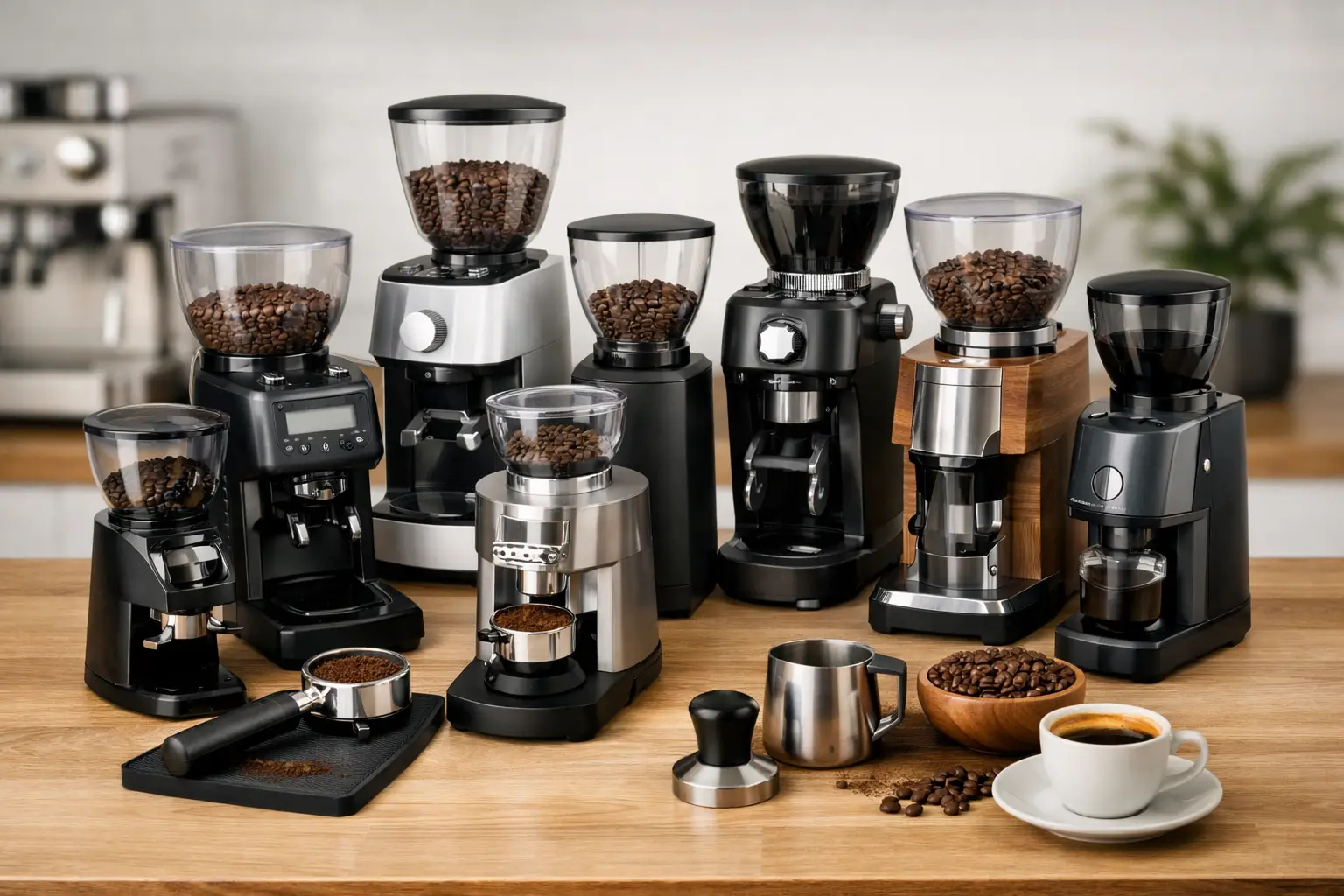
A beautiful espresso setup can lose its edge fast if the grinder falls short. Even a premium machine will struggle with shots that run too fast, taste flat, or swing from sour to bitter when the grind is inconsistent. That is why the best home espresso grinders matter so much – they shape flavor, texture, and the overall feel of your morning ritual.
For most home coffee lovers, the right grinder is not simply the most expensive model on the market. It is the one that fits your routine, your counter, your taste preferences, and the level of control you actually want to use every day. Some people want café-style precision and room to experiment. Others want a refined machine that looks elegant in the kitchen and delivers dependable results without turning every shot into a project.
What makes the best home espresso grinders worth buying
Espresso is unforgiving. Small changes in grind size can alter extraction dramatically, so the grinder has to offer fine adjustment and real consistency. Blade grinders are out of the question here, and even many entry-level burr grinders do not provide the precision needed for espresso.
The best home espresso grinders usually stand out in a few clear ways. They use quality burrs, maintain a steady grind size, and allow controlled adjustments that make dialing in easier instead of frustrating. Beyond performance, there is also the daily experience to consider. Noise, mess, speed, footprint, and design all matter when the grinder lives on your counter and becomes part of your routine.
If you are shopping for a premium home, aesthetics are not a minor detail. A grinder can feel as permanent as a small appliance or even a design object. Clean lines, quality materials, and thoughtful engineering add value beyond the cup.
Best home espresso grinders by type
Single-dose grinders for precision
Single-dose grinders are designed for users who weigh each dose of beans rather than filling a hopper. This style has become especially popular with home espresso enthusiasts because it reduces retention and makes it easier to switch between coffees.
Models in this category often appeal to buyers who want control and a more elevated brewing ritual. You measure your beans, grind exactly what you need, and keep the coffee fresher over time. The trade-off is convenience. If you make several milk drinks back to back every morning, a hopper grinder may feel easier.
Single-dose designs also tend to suit modern kitchens well. Many feature a compact silhouette and a more intentional, curated look. They feel less like commercial equipment and more like premium countertop pieces.
Hopper grinders for convenience
If you value speed and ease, a hopper grinder remains a smart choice. Fill it with beans, keep your workflow simple, and grind on demand. For busy households, this can be the better fit.
The advantage here is straightforward daily use. The compromise is freshness and flexibility. Beans stored in the hopper are more exposed to light and air, and switching between different roasts is less convenient. Still, for someone who drinks the same espresso blend every day and wants a polished, reliable setup, hopper grinders can be an excellent match.
Manual grinders for compact spaces
Manual espresso grinders have improved dramatically, and some now offer burr quality and adjustment precision that genuinely support espresso. They are especially appealing for smaller kitchens, travel setups, or buyers who want premium results without giving up too much space.
That said, hand grinding for espresso takes effort. It can be satisfying for one or two shots, but less appealing if you entertain often or make multiple drinks each day. A manual model is usually best for the intentional coffee drinker, not the household trying to move quickly on weekday mornings.
Features to look for before you choose
Burr type matters, but not in a simplistic way. Flat burrs are often associated with clarity and separation of flavors, while conical burrs are often praised for texture and forgiving extraction. In real use, the grinder’s overall design matters just as much as the burr shape itself. It is better to think in terms of flavor preference and workflow than chasing one burr style as universally superior.
Adjustment style is equally important. Stepless grinders allow very fine changes, which can help when dialing in espresso. Stepped grinders can be easier to use, but some have steps that are too broad for precise espresso tuning. If you are particular about shot quality, finer adjustment usually pays off.
Retention is another detail worth paying attention to. A grinder that holds onto old grounds can create inconsistency and waste. This matters more if you switch beans frequently. If you use the same coffee daily, a little retention may be less of a concern.
Then there is build quality. A solid motor, stable body, and well-machined parts create a more reassuring ownership experience. The best purchases in this category feel deliberate and lasting, not disposable.
The 10 best home espresso grinders to consider
The strongest options tend to fall across several price tiers rather than one perfect winner for everyone. If you want premium performance with a design-forward feel, grinders like the Niche Zero, Eureka Mignon Specialita, and DF64 have become favorites for good reason. They offer strong espresso capability, attractive countertop presence, and enough control for serious home use.
If your priority is refined convenience, the Baratza Sette 270 and Eureka Mignon Libra are compelling. The Sette is fast and espresso-focused, though its sound profile is not the most discreet. The Libra adds weight-based grinding, which can make mornings feel more streamlined and polished.
At the higher end, grinders such as the Lagom P64, Mahlkonig X54, and Ceado E5 series deliver a more elevated experience in both engineering and finish. These are often better suited to buyers who see coffee gear as a long-term investment and want performance that grows with their skills.
For those with tighter space or a more minimalist setup, premium manual grinders like the 1Zpresso J-Max can be surprisingly capable. They do ask more from the user, but the payoff is compact luxury and strong grind quality without the footprint of an electric model.
Breville’s Smart Grinder Pro also deserves mention for buyers entering the category who want approachable controls and broad availability. It is not the final word in espresso refinement, but it can be a sensible first step when paired with realistic expectations.
How to match a grinder to your lifestyle
If your kitchen is designed around calm, efficient mornings, choose a grinder that feels intuitive and low-mess. A hopper grinder with timed dosing or weight-based features may suit you better than a more involved single-dose workflow. If you enjoy the ritual, experimenting with light and dark roasts, shot times, and recipe tweaks, a single-dose grinder will likely feel more rewarding.
Noise can be a deciding factor in shared homes and open-plan spaces. Some grinders are undeniably louder than others, and this rarely shows up clearly on product pages. When elegance and comfort matter, quieter operation becomes part of the premium experience.
Counter space also changes the equation. A grinder may perform beautifully but still feel oversized in a carefully styled kitchen. The best choice should support the room visually, not dominate it.
When paying more makes sense
There is a point where price reflects genuine improvements, and a point where it becomes more personal. Spending more often gets you better burrs, more consistent grind distribution, improved workflow, and stronger materials. These upgrades can absolutely improve espresso.
But past a certain level, the gains become subtler. You may be paying for quieter operation, more elegant machining, lower retention, or a finish that feels more exclusive. For many Vellenor shoppers, that still matters. A product that performs beautifully and looks exceptional every day can justify the investment in a way that goes beyond specs.
Common mistakes buyers make
One of the biggest mistakes is overspending on the espresso machine and underinvesting in the grinder. The grinder has a direct impact on extraction, often more than buyers expect. Another misstep is buying based on popularity alone. A well-reviewed grinder may still be wrong for your space, noise tolerance, or preferred workflow.
It is also easy to chase features you will never use. If you are not planning to switch beans often, obsessing over ultra-low retention may not matter much. If you want quick daily cappuccinos, a highly technical grinder with a fussy process may become annoying rather than aspirational.
The best setup is the one that fits naturally into your life while still giving you room to enjoy better coffee. Choose with both taste and lifestyle in mind, and your grinder will feel less like another appliance and more like part of a well-designed home.











Leave a comment