Best Orthopedic Dog Bed for Large Dogs
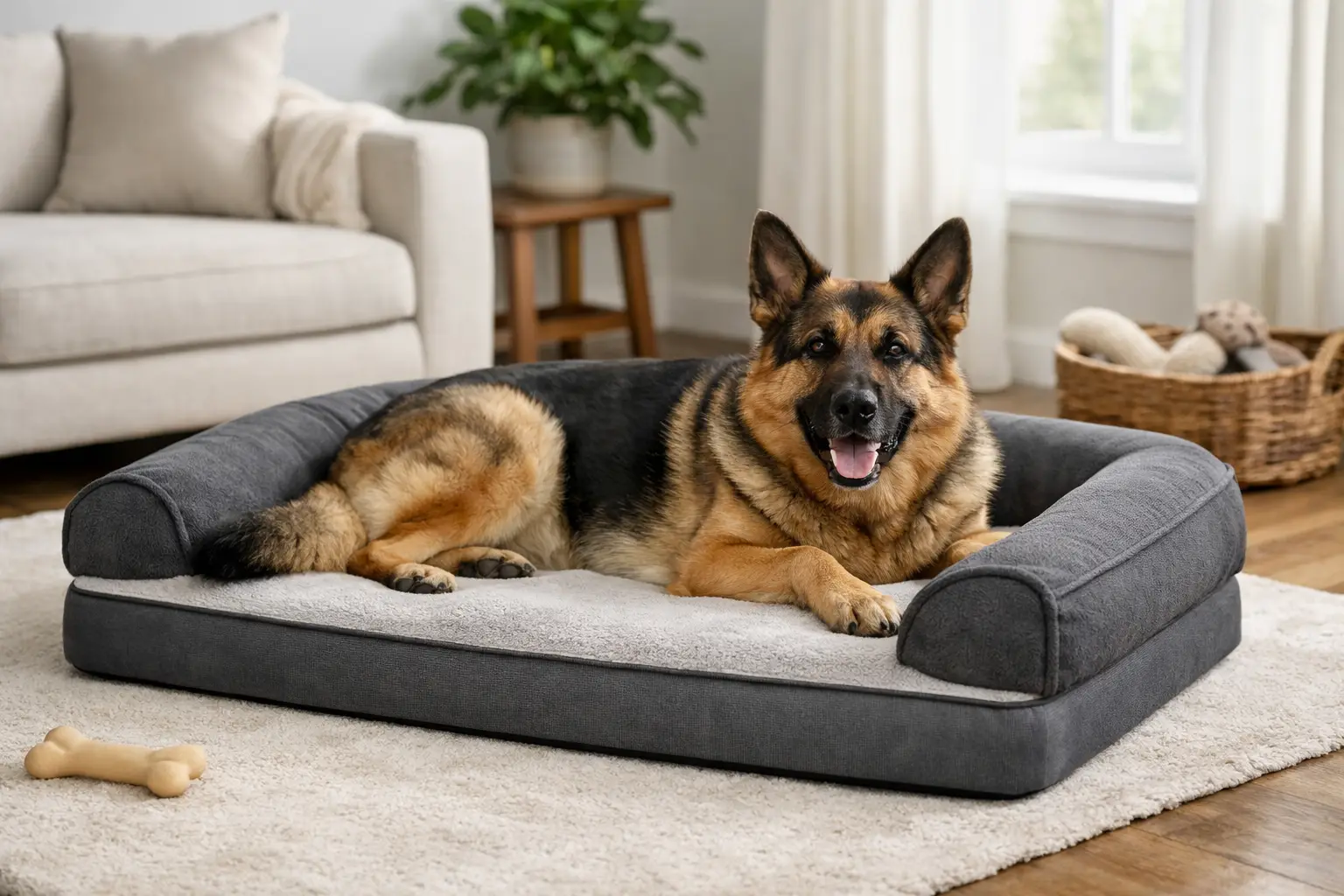
A large dog does not settle into a bed the way a toy breed does. They drop their full weight, stretch wide, circle twice, and expect the surface beneath them to hold up night after night. That is exactly why choosing an orthopedic dog bed for large dogs deserves more thought than a quick size check. For bigger breeds, the right bed is not just a cozy extra. It is part of daily comfort, joint support, and the overall feel of a well-designed home.
For many owners, the challenge is balancing function with appearance. You want substantial cushioning for a Labrador, Golden Retriever, German Shepherd, Mastiff, or senior mixed breed, but you may not want a bulky, shapeless pad disrupting a polished living room or bedroom. The good news is that premium pet essentials have evolved. A well-made orthopedic bed can offer serious support while still feeling refined, intentional, and worthy of the space it occupies.
What makes an orthopedic dog bed for large dogs different?
The word orthopedic gets used loosely, so it helps to know what actually matters. In practical terms, an orthopedic bed is designed to distribute weight more evenly and reduce pressure on joints, hips, and shoulders. For large dogs, that support matters more because their bodies place greater stress on the surface below them.
The most effective designs usually rely on dense foam, often memory foam or a layered construction that blends contouring with structure. Thin polyester fill may look plush at first, but it tends to flatten quickly under a heavier dog. Once that happens, the bed stops supporting the body and starts functioning more like a decorative mat.
That does not mean every large dog needs the firmest bed possible. A younger dog with no mobility issues may prefer a slightly softer top layer, while an aging dog with stiffness often benefits from a bed that is easier to step onto and sturdy enough to keep them from sinking too deeply. Comfort is personal, but support should never be an afterthought.
Why size matters more than most shoppers expect
A bed labeled large is not always truly large enough. That is one of the most common mistakes in this category. Many oversized breeds need extra room to stretch fully, especially if they sleep on their side with legs extended.
When measuring, go beyond your dog’s standing height or weight range. Watch how they actually rest. Some curl tightly, while others take up far more floor space than you would guess. A bed that is technically within the recommended weight limit can still feel cramped if the sleep surface is too short or narrow.
Thickness also matters. A bigger dog compresses foam faster, so a bed that looks generous in photos may feel underbuilt in real use. As a general rule, larger breeds tend to do better with deeper, denser construction that keeps their body lifted rather than bottoming out against the floor.
The materials that separate premium comfort from short-term comfort
A bed can feel soft on day one and still fail after a few weeks. For shoppers seeking lasting value, the materials deserve close attention.
High-density memory foam is often the standout choice because it molds to the dog’s shape while still offering resistance. Layered foam can be even better, particularly when a supportive base is paired with a pressure-relieving top layer. This combination helps maintain structure, which is especially important for dogs over 60 pounds.
Cover fabric matters too. Large dogs create more friction when they climb on, turn, and push off the bed. Cheap covers can pill, tear, or stretch. More refined options use durable woven fabrics, soft performance textiles, or machine-washable removable covers that hold their look over time.
Then there is the issue of temperature. Some memory foam beds can trap heat, which is not ideal for thick-coated breeds. If your dog runs warm, a breathable cover or cooling layer may be worth prioritizing over extra plushness.
Support is not only for senior dogs
Orthopedic beds are often marketed around arthritis, aging, or recovery, and for good reason. Senior large-breed dogs frequently need relief from joint strain, pressure points, and stiffness that shows up after naps or overnight sleep.
But younger dogs can benefit too. Large breeds are simply harder on their bodies, even when they are active and healthy. A supportive sleep surface can be a smart long-term choice for dogs that spend a lot of time lounging, growing, or recovering after exercise. If your dog is athletic, prone to hip issues, or belongs to a breed known for joint concerns, choosing better support earlier can make everyday rest more comfortable.
This is where premium shopping becomes practical. A thoughtfully chosen bed is not just a nicer accessory. It is part of creating a more comfortable routine for a dog that relies on the same resting spot every day.
Features worth paying for and features you can skip
Not every add-on improves the experience. For large dogs, a few features tend to stand out as genuinely useful.
A removable, washable cover is one of them. Bigger dogs track in more dirt, shed more fur, and put more wear on fabrics. Easy-care construction keeps the bed looking fresh without turning maintenance into a chore.
Bolsters can also be valuable, but only if they do not reduce usable space. Some dogs love a raised edge for neck support or a feeling of security. Others prefer a completely open mattress they can sprawl across. It depends on sleeping style.
Water-resistant liners are another smart detail, particularly for senior pets or homes with puppies. They protect the foam core, which is often the most expensive part of the bed.
What can be skipped? Overly decorative extras that interfere with comfort, very lofty pillow tops that compress too fast, or beds that focus heavily on appearance but offer minimal interior support. In this category, looks should complement performance, not distract from it.
How to match the bed to your home
Pet products do not have to look separate from the rest of your space. In elevated interiors, the best dog beds feel curated rather than improvised. Neutral tones, tailored edges, textured fabrics, and clean silhouettes tend to integrate well into living rooms, bedrooms, and home offices.
That matters more than it may seem. When a bed fits naturally into your home, it is more likely to stay where your dog actually wants to use it instead of being hidden away in a utility corner. And when your dog has a comfortable, designated place to rest near the household activity, everyone benefits.
For style-conscious homes, scale is especially important. A massive bed in the wrong room can dominate the space. If your dog is very large, consider where the bed will live before you buy. A great bed should feel generous to your dog and still intentional in the room.
Signs you may need to upgrade your current bed
Sometimes the need is obvious. The foam has flattened, the cover is worn, or your dog no longer settles easily. Other signs are subtler. If your dog hesitates before lying down, gets up stiffly, shifts positions often, or avoids the bed altogether, the issue may be support rather than preference.
You may also notice your dog choosing rugs, carpet, or even the sofa over their designated bed. That can signal that the bed has lost structure or never offered the right feel in the first place. Large dogs are surprisingly clear about comfort when given options.
A well-chosen orthopedic dog bed for large dogs should make rest look easier. You want to see your dog settle quickly, stay asleep longer, and rise with less effort. That kind of daily ease is often the best indicator that the bed is doing its job.
How to shop with more confidence
If you are comparing options, focus on construction first, then dimensions, then ease of care, and finally aesthetics. That order helps keep the purchase grounded in comfort and durability rather than surface appeal alone.
Look for substantial foam, realistic sizing, and details that fit your household routine. If your dog is older, mobility-friendly access and pressure relief should lead the decision. If your dog is young but heavy, durability and shape retention may matter most. If your home is design-forward, choose a bed that complements your space without compromising support.
At Vellenor, that balance between everyday comfort and elevated living is exactly what premium pet essentials should deliver. The best pieces do more than fill a need. They improve the way your home feels, for every member of it, including the one with four legs.
The right bed gives a large dog something simple but meaningful – a place that supports their body, suits your space, and makes rest feel as considered as everything else you bring home.











Leave a comment