
Guide to Modern Bathroom Upgrades That Last
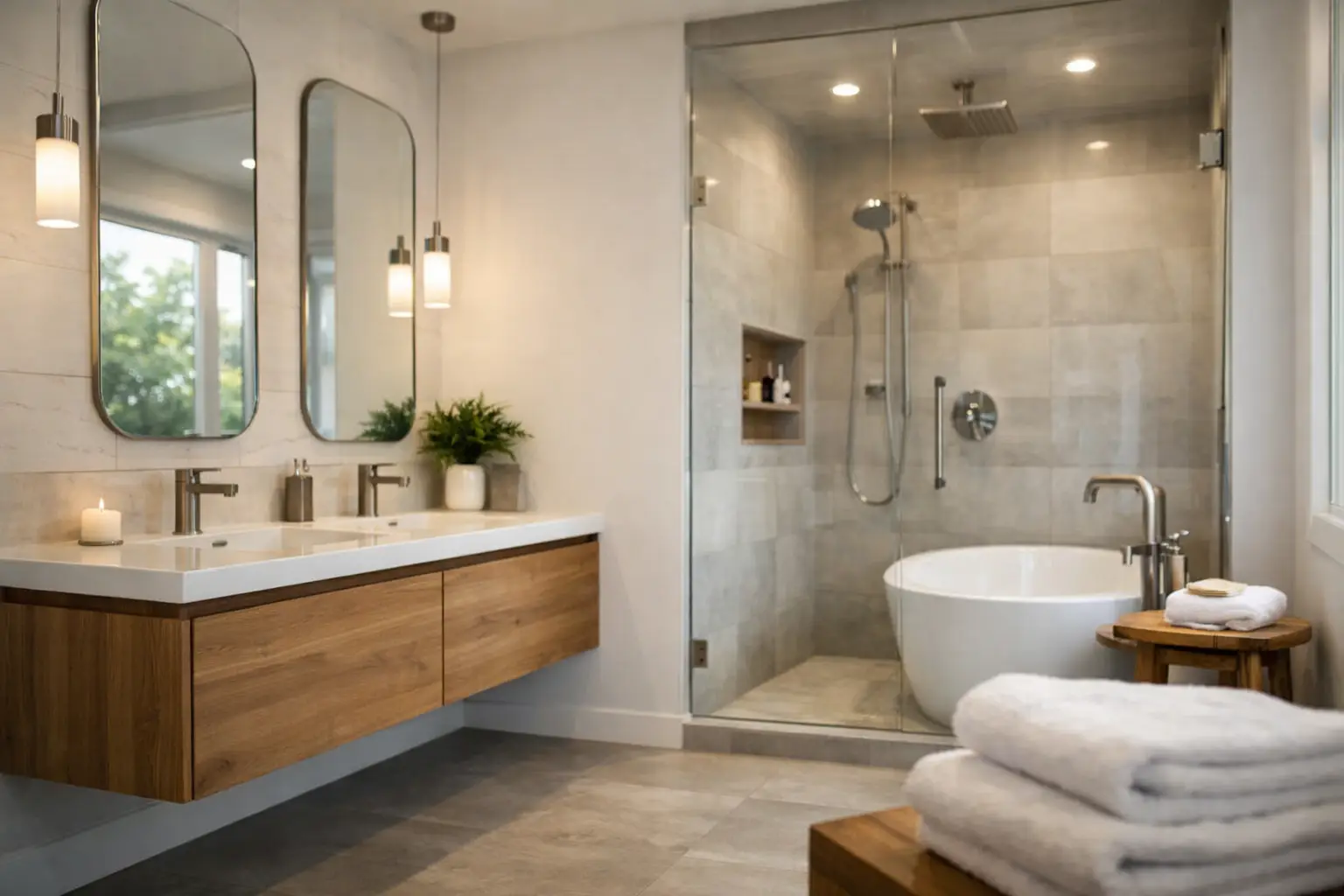
A bathroom can be beautifully furnished and still feel dated the moment a harsh vanity light comes on or a crowded counter disrupts the morning routine. The best guide to modern bathroom upgrades starts with that daily reality: design should look refined, but it should also make a busy home feel calmer, cleaner, and easier to manage.
A modern bathroom is not defined by one trend or a single expensive fixture. It is the balance of proportion, material, lighting, and storage. Whether you are refreshing a powder room, improving a primary bath, or giving a rental-friendly space more personality, choose upgrades that make a visible difference without creating a collection of mismatched details.
Start With the Experience, Not the Product
Before selecting finishes, consider how the room needs to work. A guest bathroom may benefit most from flattering lighting, a distinctive mirror, and easy-to-reach towels. A family bath needs surfaces that stand up to water, quick storage for everyday essentials, and fixtures that are easy for everyone to use. A primary bath can justify more atmosphere, from a wider vanity to a deep soaking tub or a shower system with more thoughtful controls.
This is where polished spaces separate themselves from rooms that merely follow trends. Matte black hardware, for example, has a clean contemporary presence, but it can show mineral residue in hard-water areas. Brushed nickel and warm brass often hide water spots more gracefully while bringing a softer, more enduring finish. The right choice depends on the room’s maintenance demands as much as its color palette.
Decide what needs to change first. If the layout functions well, a focused refresh can deliver an impressive return: replace an undersized mirror, update the lighting, introduce better storage, and select elevated hardware. If the layout is cramped or poorly lit, addressing circulation and electrical planning before decorative details will save frustration later.
Guide to Modern Bathroom Upgrades: Build From the Ground Up
The most successful projects create a quiet visual foundation, then introduce interest through texture and shape. Large-format porcelain tile, stone-look finishes, and pale oak-toned cabinetry can make a compact room feel more open because they reduce visual noise. In a larger room, a darker floor or richly veined wall tile can add tailored drama without overwhelming the space.
Choose surfaces for real life
Natural stone has unmistakable depth, but it requires sealing and thoughtful cleaning. Porcelain offers a more forgiving alternative for floors, shower walls, and high-use vanities, especially in homes with children or frequent guests. A quartz countertop provides a polished look with low-maintenance practicality, while a solid-surface vanity can create a more sculptural, uninterrupted effect.
For floors, prioritize slip resistance. A glossy tile may look striking in a showroom but can be less comfortable under wet feet. Textured porcelain, mosaic tile with more grout lines, or a matte finish tends to offer a more practical footing. Comfort is part of luxury, particularly in a room used at the beginning and end of every day.
Let the vanity set the tone
A vanity is often the strongest visual anchor in the room. Floating designs bring an airy, architectural feel and expose more floor, which can make smaller bathrooms appear larger. Furniture-style vanities add warmth and presence, particularly when paired with a framed mirror and traditional millwork.
Look beyond the exterior. Deep drawers usually organize grooming tools and daily products better than a cabinet with one large empty cavity. Integrated outlets, drawer dividers, and concealed hampers bring order to the routine without placing more objects on the countertop. If two people use the bathroom at once, a double vanity can be valuable, but only when each basin has adequate counter space. Two cramped sinks often feel less useful than one generous one.
Add Lighting in Layers
Overhead lighting alone can make even an expensive bathroom feel flat. A layered approach creates a more comfortable room and improves how the space functions for grooming, bathing, and winding down.
Begin with ambient light from a ceiling fixture, recessed lights, or a well-placed flush mount. Then add task lighting around the mirror. Vertical sconces on both sides of the mirror are especially effective because they reduce shadows across the face. A backlit mirror can offer a modern glow, though it is best paired with dedicated task lighting if the bathroom is used for detailed makeup or shaving.
Finally, consider accent lighting. A soft LED strip beneath a floating vanity, inside a linen cabinet, or in a shower niche gives the room a considered, hotel-inspired quality. Keep color temperature warm to neutral, generally around 2700K to 3000K, for a welcoming look. Cooler light can read clinical, while overly warm bulbs may distort colors.
Dimmers are a small upgrade with an outsized effect. Bright light is useful at 7 a.m.; gentler light feels far more appropriate for a late-night bath. This flexibility adds sophistication without requiring a major visual change.
Refine the Shower and Bathing Zone
A modern shower should feel open, purposeful, and easy to clean. Frameless glass is a classic choice for visual openness, but it needs regular squeegeeing in areas with hard water. A partially enclosed glass panel can deliver a similarly airy look while reducing hardware and simplifying access.
Consider the experience inside the shower. A handheld sprayer is practical for rinsing the enclosure, washing children or pets, and accommodating different mobility needs. A rainfall showerhead provides a spa-like sensation, but pressure and placement matter more than size alone. Thermostatic controls can maintain a steady temperature, an appealing feature in a household where multiple people may be using water at once.
Built-in niches are worth planning early. They keep bottles off the floor and eliminate the need for a hanging caddy, but their placement should suit the tallest and shortest users. For a more elevated finish, align the niche with tile joints or use a complementary stone shelf. These small details make a shower look intentionally designed rather than simply renovated.
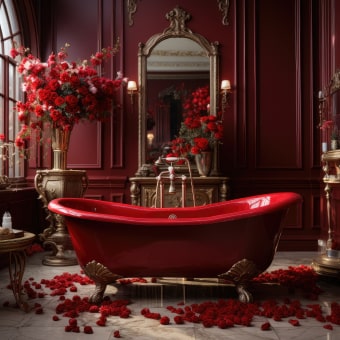
If a bathtub is part of your ideal routine, let it have breathing room. A freestanding tub can create a beautiful focal point, but it requires space around it for cleaning and a suitable floor-mounted or wall-mounted faucet. In a compact bath, a refined alcove tub with a tiled surround may be the more sensible and equally inviting choice.
Make Storage Look Considered
Modern bathrooms feel serene because the essentials have a place to disappear. Open shelving can hold folded towels, a small tray, or a few beautiful containers, but it should not become a landing zone for every product in the home. Closed storage does the everyday work; open storage adds character.
A recessed medicine cabinet is one of the most valuable space-saving upgrades available. It preserves a clean wall line while creating convenient access to small necessities. Tall linen cabinets are equally useful in bathrooms with limited vanity storage, especially when the interior includes adjustable shelves.
Think about the items that currently create clutter: hair tools, skin care, extra toilet paper, cleaning supplies, and laundry. Assigning each category a dedicated drawer, cabinet, or basket is more effective than simply buying more containers. Premium organization is less about displaying everything beautifully and more about removing friction from the routine.
Finish With Hardware, Mirrors, and Softness
Hardware is the jewelry of a bathroom. Keep faucet, shower, cabinet, and towel hardware within the same finish family for a composed look. Exact matches are not always necessary, especially when mixing brands, but the undertones should agree. Warm brass, for example, pairs more naturally with bronze than with a stark polished chrome.
Mirrors offer an opportunity to introduce shape. An arched mirror can soften a room dominated by straight tile lines and cabinetry. A broad rectangular mirror feels confident above a long vanity. Choose a scale that relates to the vanity rather than defaulting to a mirror that is too small, a common mistake that can make a renovated room feel unfinished.
Complete the space with details that invite use: plush towels, a substantial bath mat, an elegant soap dispenser, and a lidded waste bin. These are not afterthoughts. They are the tactile elements that turn a well-designed bathroom into a room people enjoy entering.
For a curated finish, Vellenor’s approach to elevated living is a useful standard: choose fewer pieces, choose them well, and make sure each one earns its place. A bathroom does not need to be enormous to feel exceptional. It simply needs to support your rituals with beauty, comfort, and thoughtful restraint.
The right upgrade is the one you will appreciate on an ordinary Tuesday morning, when the light is flattering, the counter is clear, and every detail feels quietly in its place.








Leave a comment