How to Build a Relaxing Patio That Feels Refined
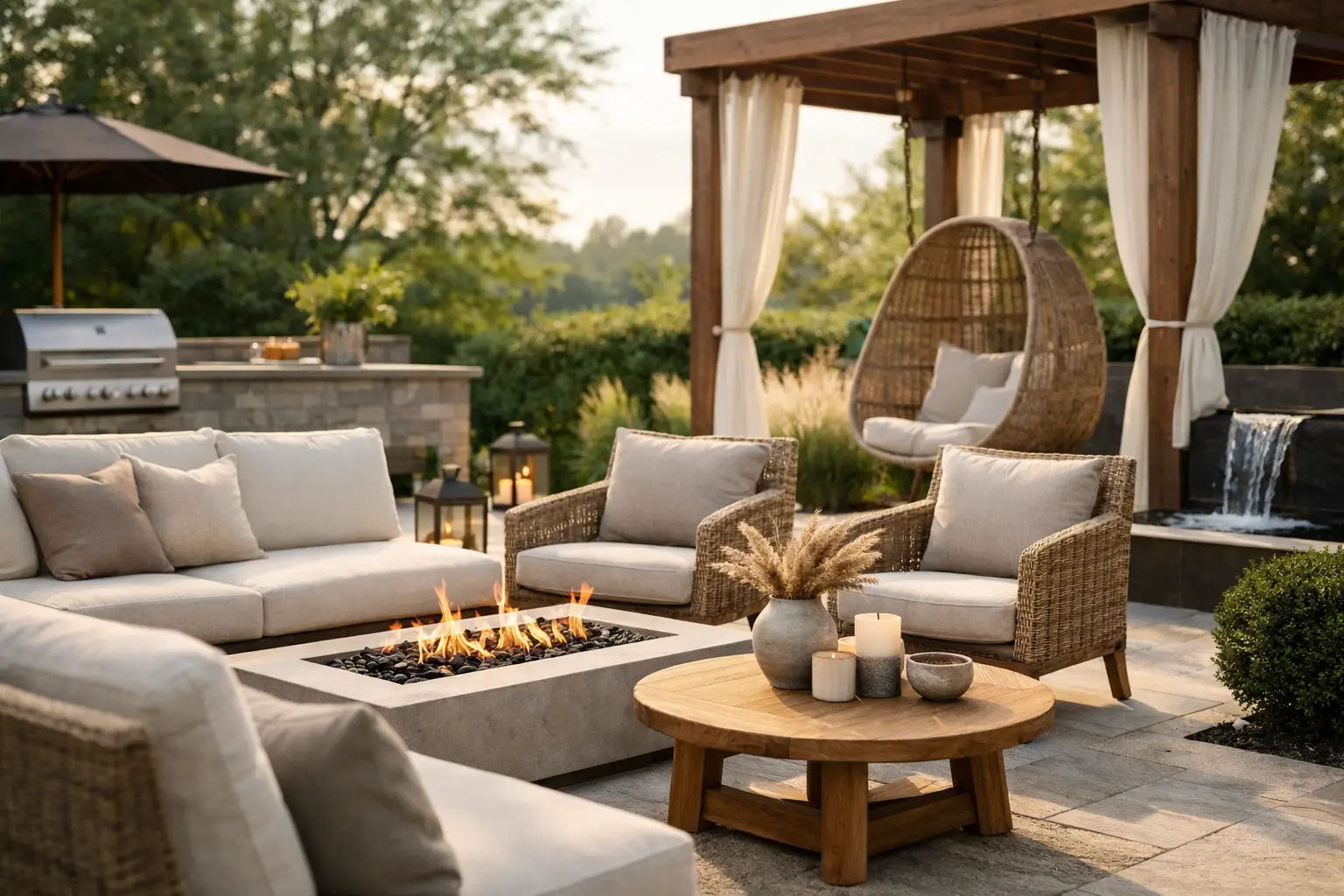
The best patios do not feel like an arrangement of outdoor furniture pushed against the house. They feel like a destination: a place for slow coffee, long dinners, a quiet hour with a book, or an unhurried conversation after sunset. Learning how to build a relaxing patio starts with designing for the way you want to feel there, then choosing materials and details that make that feeling easy to return to.
A refined patio is rarely defined by one statement piece. Its appeal comes from layers: comfortable seating, a sense of privacy, warm light, natural texture, and enough practical planning that the space remains inviting beyond the first beautiful weekend.
Start With the Mood, Not the Furniture
Before measuring a sofa or choosing a paver, decide what your patio needs to do. A compact city terrace may be a private lounge for two. A larger backyard patio may need to host family dinners, weekend gatherings, and peaceful mornings without feeling overly formal. The purpose shapes every decision that follows.
Think of the patio in zones rather than as one open surface. A dining area benefits from a table with generous circulation around it, while a lounging area needs deeper, lower seating and a place to set down a drink. If your footprint is limited, choose one primary function and make it exceptional instead of forcing several undersized zones into the same space.
Comfort should lead the visual direction. A crisp, contemporary patio can still feel warm when it includes soft cushions, textured rugs, and organic planters. A more traditional setting becomes fresh with streamlined furniture silhouettes and restrained colors. The goal is not to match every element perfectly. It is to make the whole setting feel considered.
Build a Calm Foundation Underfoot
The ground beneath your patio sets the tone before anyone takes a seat. Natural stone, porcelain pavers, concrete, brick, and composite decking can all look elevated when selected with the home and climate in mind.
Natural stone has distinctive variation and timeless character, but it may require more maintenance and can carry a higher installation cost. Porcelain pavers offer a clean, tailored look and strong durability, especially for homes that experience freeze-thaw conditions. Concrete can be polished and modern or softened with warm aggregate, though large uninterrupted expanses may feel stark without rugs, planting, or furniture to break them up. Brick brings instant warmth but can be less comfortable for certain furniture legs if the surface is uneven.
Prioritize proper drainage regardless of the material. Water should move away from the home, not gather under seating or near the foundation. This practical detail protects the patio’s finish, improves safety, and prevents an otherwise polished space from becoming difficult to enjoy after rain.
A weather-resistant outdoor rug is one of the simplest ways to give a hardscape patio the comfort of an interior room. Choose a size large enough for at least the front legs of seating to rest on it. A rug that is too small can make a generous patio feel fragmented.
Choose Seating You Will Actually Use
For a relaxing patio, the most beautiful chair is not necessarily the right chair. Look for supportive seat depth, resilient cushions, and materials suited to your weather conditions. Deep lounge chairs and low-profile sofas invite lingering, while upright dining chairs make more sense for meals and conversation around a table.
A balanced lounge arrangement often includes a sofa or loveseat, two chairs, and a low table. This creates an easy conversational shape without making guests feel locked into a rigid setup. In a smaller space, two generous lounge chairs with a shared side table can feel more luxurious than a cramped sectional.
Material matters. Powder-coated aluminum is lightweight, sleek, and easy to maintain. Teak offers rich color and exceptional durability, developing a soft silver patina over time if left untreated. All-weather wicker brings texture and a relaxed resort sensibility, while steel can make a striking architectural statement but may need more attention in humid or coastal locations.
Invest in cushions with removable, fade-resistant covers whenever possible. Neutral upholstery is enduring and gives you flexibility, while pillows, throws, and a patterned rug can carry seasonal color. Avoid buying every piece as a matching set. Mixing finishes with restraint, such as warm wood beside matte black metal, creates more depth and a more collected look.
How to Build a Relaxing Patio With Layers of Light
Lighting is where a practical patio becomes an evening retreat. Overhead string lights may be charming, but they should not be the only source. Layered lighting adds dimension and lets you adjust the atmosphere for dinner, reading, or entertaining.
Start with ambient light, such as café lights overhead, wall sconces, or a covered pergola fixture. Add softer points of light at a lower level with lanterns, rechargeable table lamps, or path lighting near steps and garden edges. Candlelight brings an intimate finish, but enclosed hurricane-style holders are a better choice for breezy areas.
Warm white light is generally more flattering and restful than cool-toned illumination. Place light where it supports movement and mood, not where it shines directly into people’s eyes. Dimmers, timers, and smart controls are worthwhile additions when convenience matters. A patio used often should be effortless to enjoy.
Add Privacy Without Closing In
A feeling of enclosure makes an outdoor room more restorative, particularly in neighborhoods where nearby windows or fences are visible. Privacy does not have to mean building a tall, solid barrier. In fact, overly heavy screening can make a patio feel smaller and reduce airflow.
Use a combination of vertical planters, outdoor curtains, trellises, slatted screens, or tall ornamental grasses to define the perimeter. Climbing plants can soften a trellis beautifully, though they require patience and ongoing care. For immediate impact, large planters with lush evergreens, bamboo suited to containers, or layered foliage can create a more settled look from day one.
A pergola can also provide useful structure, especially over a dining or lounge zone. It frames the view, offers partial shade, and gives lighting or curtains a place to live. If your climate brings intense sun, consider a retractable canopy or adjustable louvers. The right shade solution depends on how much sun the space receives and whether you want full coverage or filtered light.
Bring in Greenery and Natural Texture
Plants make a patio feel less exposed and more alive. The most successful approach combines a few substantial planters with smaller accents, rather than scattering many tiny pots around the perimeter. Vary plant height, leaf shape, and texture, but keep containers within a cohesive material or color family.
For a polished palette, consider oversized ceramic planters, stone-toned vessels, or matte metal containers. Pair architectural plants with softer forms: tall grasses beside trailing vines, broad-leaf greenery beside flowering herbs, or compact shrubs beside seasonal blooms. Fragrant additions such as lavender, jasmine, rosemary, or mint can make the experience more memorable, provided they suit your climate and sunlight.
Do not overlook texture in the furnishings. A woven tray, linen-look outdoor pillows, a ceramic side table, and a light throw for cool evenings can make a patio feel generous without crowding it. These are the details that turn an outdoor setup into a space with personality.
Plan for Shade, Warmth, and Everyday Ease
A relaxing patio should work beyond perfect weather. Shade is essential for sunny afternoons, whether it comes from a cantilever umbrella, a pergola, a shade sail, or mature landscaping. An umbrella is flexible and often more affordable, while a built-in cover can feel more integrated and provide a stronger architectural presence.
For cooler nights, a fire pit or outdoor fireplace creates an immediate focal point. Wood-burning options offer the classic sensory appeal of a real flame, but gas models are easier to start, easier to control, and more practical in many residential settings. Always account for local rules, clearance requirements, and safe placement away from overhead structures and soft furnishings.
Storage is another understated luxury. A handsome deck box or weather-resistant storage bench keeps cushions, throws, and serving pieces close at hand while protecting the calm visual order of the patio. When setup and cleanup take only a few minutes, you are far more likely to use the space.
Edit the Final Details
Once the main pieces are in place, resist the urge to fill every empty corner. A relaxing patio needs breathing room. Leave clear pathways, give seating enough distance to feel comfortable, and choose a few meaningful accents rather than a crowded collection of décor.
Set out a small tray with coasters, add one sculptural planter, or keep a soft throw within reach. These gestures quietly signal that the patio is ready for use. At Vellenor, the most inviting outdoor spaces are approached as an extension of the home: thoughtfully furnished, beautifully balanced, and made for everyday pleasure.
Build slowly if you need to. Begin with a durable foundation and seating you love, then add light, greenery, and seasonal layers over time. A patio becomes genuinely relaxing not when every detail arrives at once, but when it becomes the place you naturally choose at the end of the day.










Leave a comment