
How to Choose a Massage Gun That Feels Premium
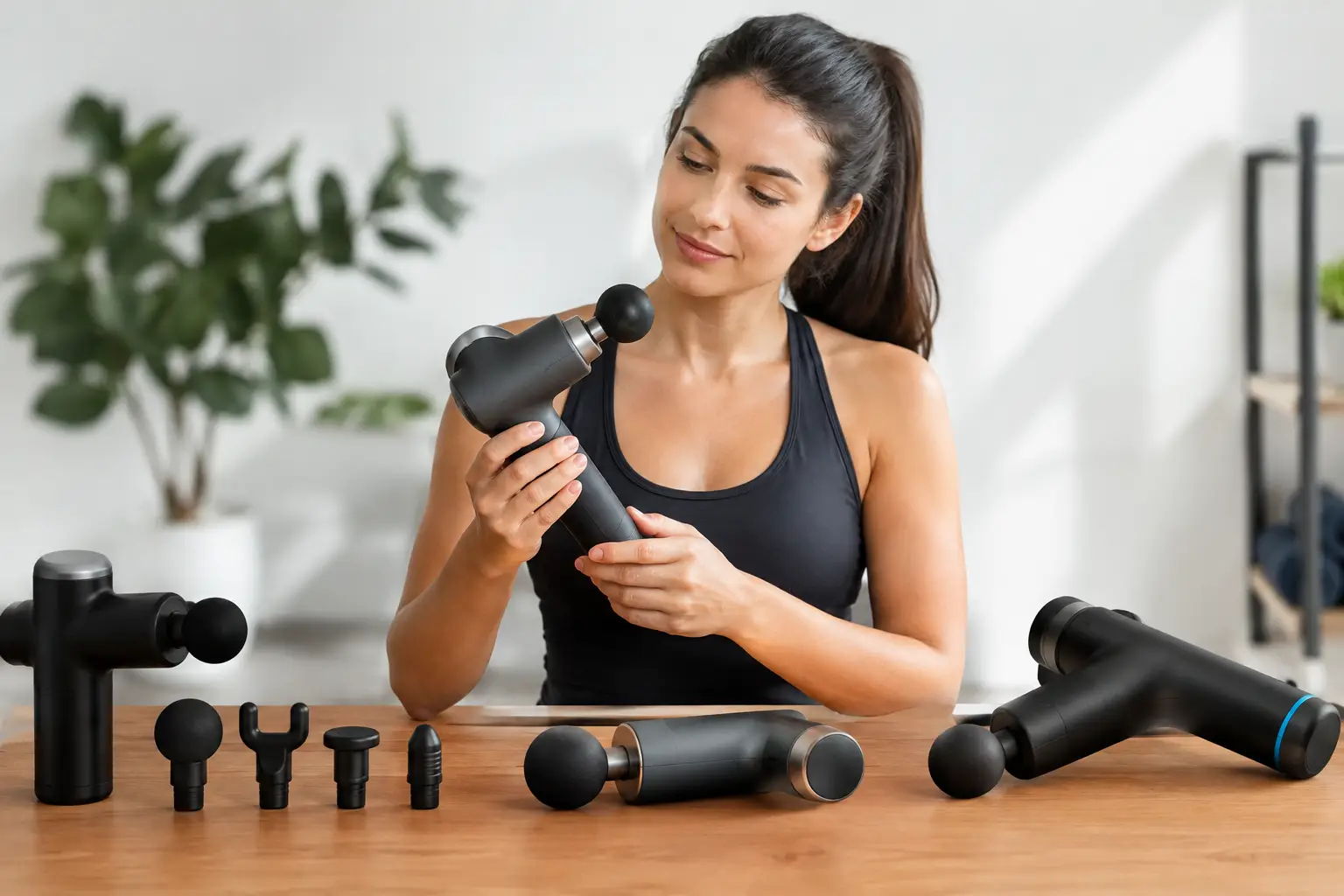
A massage gun earns its place in a well-considered wellness routine when it feels less like another gadget and more like a small daily luxury. After a demanding workout, a long afternoon at a desk, or a weekend spent tending the garden, targeted percussive massage can bring a welcome sense of comfort to tired muscles – on your schedule and in the privacy of home.
The best choice is not automatically the strongest or the most expensive. It is the model that suits your body, your routine, and the level of refinement you expect from the things you bring into your home. From quiet operation to balanced weight and thoughtfully designed attachments, the details shape whether a massage gun becomes a valued ritual or stays in a drawer.
What a Massage Gun Is Designed to Do
A massage gun uses rapid, short pulses against soft tissue. This action is often called percussion therapy. Used with sensible pressure, it can help create a soothing warm-up before activity and a more relaxed feeling after exercise or everyday physical exertion.
Its appeal is straightforward: you can direct attention to areas that commonly feel tight, such as the calves, glutes, upper back, shoulders, and thighs, without arranging an appointment or relying on someone else. For active households, it also offers a convenient way to add a few intentional minutes of recovery to a busy day.
That said, a massage gun is a comfort and recovery tool, not a substitute for medical care. Avoid using one directly on bones, joints, the front or sides of the neck, open skin, or areas with swelling, bruising, numbness, or sharp pain. If you are pregnant, take blood-thinning medication, have a circulation or nerve condition, recently had surgery, or are managing an injury, ask a qualified clinician before use.
How to Choose a Massage Gun for Your Routine
Premium design is more than a polished exterior. A well-made device should feel reassuringly controlled in your hand, offer enough flexibility for different muscle groups, and fit naturally into the rhythm of your home.
Start with power, then look for control
Motor power and amplitude are commonly used to describe performance. Amplitude refers to how far the attachment travels with each pulse. A deeper-reaching model can feel more substantial on large, dense muscle groups such as the glutes and quads, while a gentler setting is often more comfortable for sensitive areas or first-time users.
More force is not always better. A massage gun that offers several speed settings lets you begin gently and increase intensity only when it feels appropriate. This is particularly useful when one device will be shared by runners, strength-training enthusiasts, desk workers, and anyone who simply appreciates a calming end-of-day routine.
Pay attention to weight and balance
An overly heavy device can make shoulder, back, and leg sessions tiring before the benefits have a chance to register. Look for a shape that is easy to grip and well balanced, with controls you can reach without twisting your wrist.
A compact model is often the more elegant choice for travel, smaller homes, or quick use between meetings. A full-size model may provide longer battery life and a more planted feel for frequent, at-home sessions. Neither is universally superior. It depends on whether portability or extended performance matters most in your routine.
Choose useful attachments, not unnecessary extras
Attachments can make a meaningful difference, but a crowded case is not the same thing as thoughtful versatility. Most households will get plenty of use from a few well-designed options: a soft round head for general use, a flatter attachment for larger muscle areas, and a more precise shape for carefully targeted use around muscles.
Use the softer, broader attachment when you want a gentle all-over session. Reserve smaller, firmer attachments for areas with enough surrounding muscle, and keep pressure light at first. The goal is steady comfort, not to chase intensity.
Quiet operation matters more than it seems
A loud wellness device can turn a relaxing habit into an interruption. A quieter motor allows you to use your massage gun while watching a film, listening to a podcast, or winding down before bed without filling the room with mechanical noise.
Noise levels vary, especially at higher speeds, so think about where and when you will use it. For apartment living, shared spaces, and evening routines, discreet operation is a feature worth prioritizing.
Consider charging and storage as part of the experience
Battery life affects convenience, but charging design affects whether you use the device at all. USB-C charging can simplify travel and reduce cable clutter, while a dedicated charging stand creates a polished place for a full-size device to live between sessions.
A fitted case is equally practical. It protects the massage gun, keeps attachments together, and makes the experience feel organized rather than improvised. For an elevated home, small details like this preserve calm in the spaces designed for it.
A Better Way to Use a Massage Gun
The most effective sessions are usually brief and deliberate. Begin with the lowest comfortable setting, let the attachment rest lightly on the muscle, and move slowly rather than pressing hard. A little patience generally feels better than trying to work through discomfort.
Before exercise, spend a short amount of time gliding over the muscle groups you plan to use. The aim is to feel more mobile and prepared, not fatigued. After activity, move at an unhurried pace over larger areas such as the thighs, calves, or upper back, pausing only where the sensation remains comfortable.
For everyday tension, a massage gun can work beautifully as part of an evening reset. A few minutes on the calves after standing all day, or around the upper shoulders after screen time, can help signal the shift from work mode to personal time. Pair it with water, light stretching, and a supportive place to sit, and the ritual feels considered rather than clinical.
Avoid holding the device in one spot for too long. If an area becomes painful, tingly, or more irritated, stop. You should feel relief or manageable pressure, never a need to endure the session.
Features That Make the Experience Feel Elevated
When comparing models, it is easy to focus solely on specifications. Yet the features that encourage consistent use are often more tactile: a soft-touch grip, intuitive controls, a clear battery display, and attachments that connect securely without fuss.
A refined color palette and clean silhouette also have value. Wellness equipment does not need to disrupt the visual calm of a bedroom, home gym, or bathroom cabinet. At Vellenor, the most appealing lifestyle essentials are the ones that pair practical performance with an appearance worthy of the spaces you have curated.
Build quality should be visible in the joins, finish, case, and charging components. A premium device should feel solid without being cumbersome, and its controls should respond with precision. If a model includes an app, treat it as an optional benefit rather than a requirement. Clear guidance can be helpful, but the device should remain simple and satisfying to use on its own.
When a Massage Gun May Not Be the Right Choice
There are moments when rest, professional assessment, or a gentler approach is the better decision. Sudden pain, significant swelling, loss of strength, unexplained numbness, or discomfort that does not improve deserves medical attention rather than additional percussion.
It may also be worth choosing another recovery tool for certain needs. Gentle stretching can be ideal for restoring movement after long periods of sitting. A heating pad may feel better for a quiet evening at home, while a foam roller can provide broader pressure across large muscle groups. These tools do not compete with a massage gun so much as complement it.
A well-chosen massage gun should make taking care of your body feel easier to return to. Choose one that feels comfortable in your hand, quiet in your space, and appropriately powerful for your needs, then use it with the same intention you bring to the rest of a thoughtfully designed life.










Leave a comment