Lighting Ideas That Instantly Elevate Home
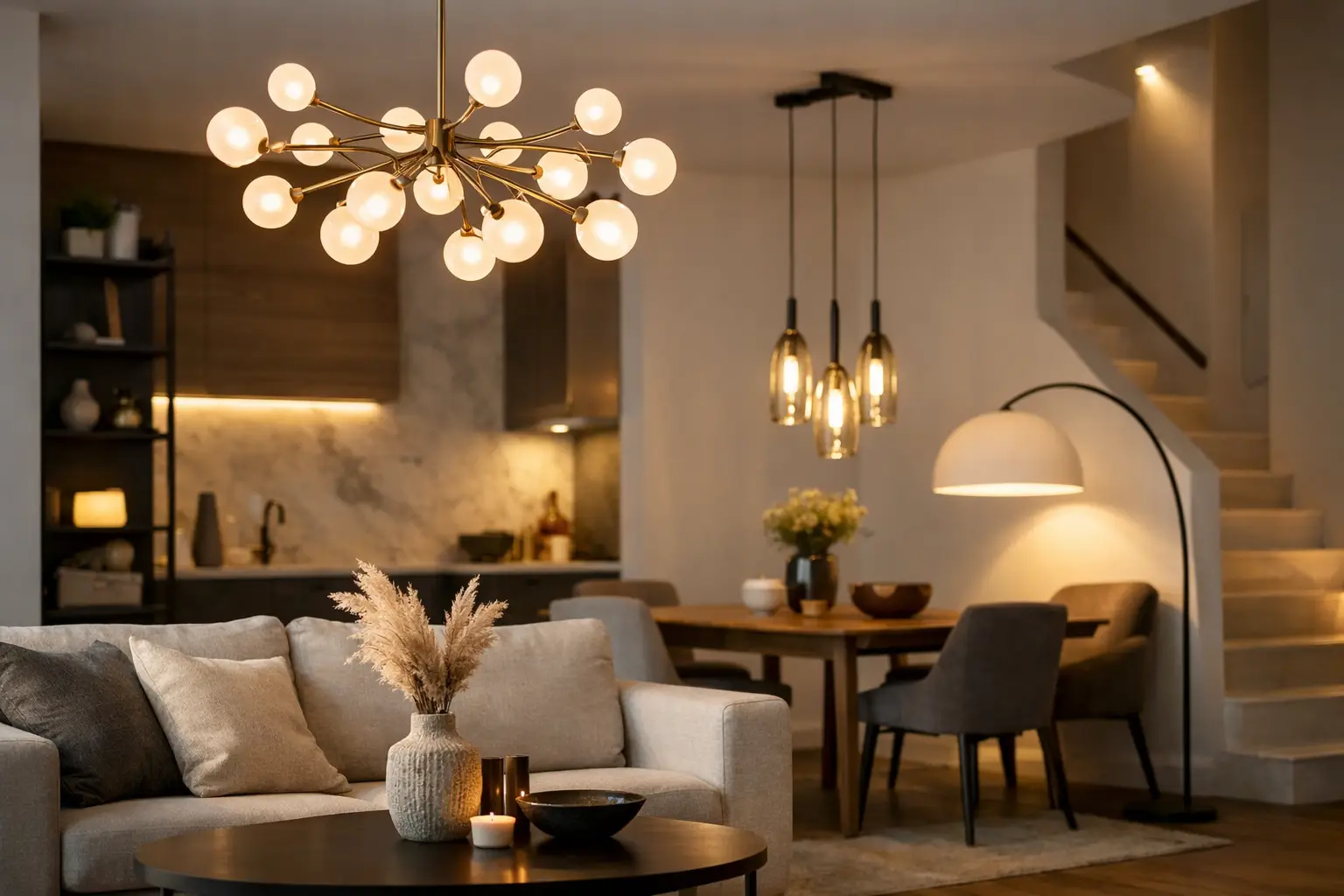
The fastest way to change the mood of a room is not a new sofa or a fresh coat of paint. It is lighting. A space can look beautifully furnished and still feel flat, cold, or unfinished if the light is wrong. When it is chosen well, lighting adds depth, softness, and a sense of polish that makes everyday living feel more considered.
For design-minded shoppers, this matters because light does more than help you see. It affects how colors read, how textures show up, and how comfortable a room feels at different times of day. The right glow can make a compact apartment feel layered, help an open-concept home feel more intimate, and turn a functional corner into a place you actually want to spend time in.
Why lighting changes everything
Most rooms are asked to do more than one job. A kitchen may also be a gathering place. A bedroom might include a reading nook or vanity. A living room often shifts from work zone to family lounge to evening retreat. One overhead fixture rarely handles all of that well.
That is where thoughtful lighting makes a visible difference. It creates structure within a room without adding clutter. It highlights architectural details, softens hard edges, and gives your home a more finished point of view. Premium interiors rarely rely on brightness alone. They rely on balance.
There is also a practical side. Good light reduces eye strain, makes daily routines easier, and helps each room feel more intentional. That blend of beauty and utility is what gives a home its quiet sense of luxury.
The three layers of lighting
If a room never feels quite right, the issue is usually not the fixture itself. It is the lack of layers. The most inviting spaces combine ambient, task, and accent lighting so the room feels adaptable instead of one-note.
Ambient lighting sets the foundation
Ambient light is the general illumination that fills the room. This might come from a ceiling fixture, recessed lights, or a flush mount in a lower-ceilinged space. Its job is simple – create overall visibility and establish the room’s baseline mood.
For a refined feel, avoid lighting that is harsh or overly clinical. Soft white light tends to flatter interiors and people alike. In most homes, bright enough is better than extremely bright. If possible, dimmers give you control and help the same room work for both busy mornings and relaxed evenings.
Task lighting supports daily routines
Task lighting is where comfort meets function. Think pendant lights over a kitchen island, a lamp beside a reading chair, or vanity lighting that makes grooming easier and more accurate. This layer should be targeted and purposeful.
The key is placement. A beautiful lamp that casts shadows where you need clarity will frustrate you quickly. In kitchens, task lighting should cover prep zones. In bedrooms, bedside lamps should allow you to read without flooding the entire room. In home offices, a focused desk light can improve both comfort and concentration.
Accent lighting adds depth and atmosphere
Accent lighting is often what gives a home its most elevated feel. It highlights art, shelves, architectural details, and textured surfaces. It can also create a softer visual rhythm after dark, when full overhead light feels too blunt.
Wall sconces, picture lights, and subtle table lamps all fall into this category. This is the layer that turns a practical room into one with character. It is not always essential, but it is often what makes a space memorable.
How to choose lighting by room
Not every room needs the same formula. The best results come from matching the fixture and light level to how the room is actually used.
Living room lighting
The living room benefits most from variety. A central ceiling light can anchor the space, but lamps are what make it livable. Floor lamps near seating and table lamps on consoles or side tables help the room feel warmer and more dimensional.
If your living room has a television, avoid relying on one bright fixture directly overhead. That can create glare and make the room feel less relaxed. A layered mix gives you options, whether you are entertaining, reading, or winding down at night.
Bedroom lighting
Bedrooms should feel calm, not overlit. A softer overhead fixture works well as a base, but bedside lighting is what makes the room truly functional. Matching lamps create symmetry, while sconces can free up nightstand space for a cleaner look.
If you have a dressing area or vanity, add focused light there rather than making the whole room brighter. Bedrooms often work best when lighting feels gentle and adjustable.
Kitchen lighting
Kitchens need clarity, but they should still feel inviting. Pendants over an island add style and definition, while under-cabinet lighting improves visibility where it matters most. Recessed ceiling lights can provide even ambient coverage without making the room feel heavy.
This is one space where balance is especially important. Too little light makes prep work harder. Too much cool, bright light can strip warmth from the room. The best kitchen lighting feels crisp, clean, and easy to live with.
Bathroom lighting
Bathrooms need a flattering mix of brightness and softness. Vanity lighting should reduce shadows on the face, which often means fixtures beside the mirror or a well-positioned option above it. Overhead lighting alone is rarely enough.
For larger bathrooms, consider adding a decorative fixture to bring in a more luxurious look. Even a practical room feels more elevated when lighting is chosen with the same care as the tile or hardware.
Entryway and hallway lighting
These transition spaces are easy to overlook, but they shape first impressions. A refined pendant, flush mount, or sconce can make an entry feel composed from the moment you walk in. Hallways benefit from consistent light that guides movement without feeling sterile.
This is also a good place to make a style statement. Since these areas are more visual than task-driven, the fixture itself can carry more personality.
Style matters, but scale matters more
It is easy to shop by silhouette alone. A sculptural chandelier or sleek pendant may catch your eye, but proportion is what determines whether it feels tailored or awkward once installed.
A fixture that is too small can disappear and leave the room feeling underdesigned. One that is too large can dominate the space in a way that feels forced. Ceiling height, table width, room size, and surrounding furniture all matter. In dining areas, the fixture should feel anchored to the table below. In entryways, it should suit both the scale of the space and the height at which guests experience it.
Material also influences the final effect. Glass can feel airy and polished. Metal introduces structure and contrast. Fabric shades soften light and bring a quieter elegance. There is no single correct choice. It depends on whether you want the lighting to blend in, warm up the room, or act as a focal point.
Common lighting mistakes to avoid
One of the most common mistakes is relying on a single light source. Even in smaller homes, one overhead fixture rarely creates enough dimension. Another is choosing bulbs without considering color temperature. A fixture can be beautifully designed and still feel wrong if the light is too cool for the room.
Placement also deserves more attention than many people give it. Pendants hung too high lose their presence. Lamps that are too short can feel visually disconnected from seating. Bathroom lighting positioned poorly can create unflattering shadows.
Then there is the question of consistency. Every room does not need to match, but the lighting throughout a home should feel related. A curated mix feels collected and confident. A random mix often feels unfinished.
Lighting as a finishing touch
The best interiors rarely announce themselves with one dramatic move. They feel complete because every element has been selected with care, and lighting is often the detail that ties it all together. It frames how furniture is seen, how materials perform, and how comfortable a room feels after the sun goes down.
For shoppers looking to create a home that feels more polished, lighting is one of the smartest places to invest. It offers immediate visual impact, supports the way you live, and adds a layer of sophistication that reads far beyond the fixture itself. At Vellenor, that kind of thoughtful upgrade is exactly what turns a house into a more elevated everyday experience.
When you are choosing pieces for your home, look beyond brightness alone. The right lighting does not just illuminate a room. It gives it presence.









Leave a comment