Luxury Furniture That Makes a Home Feel Finished
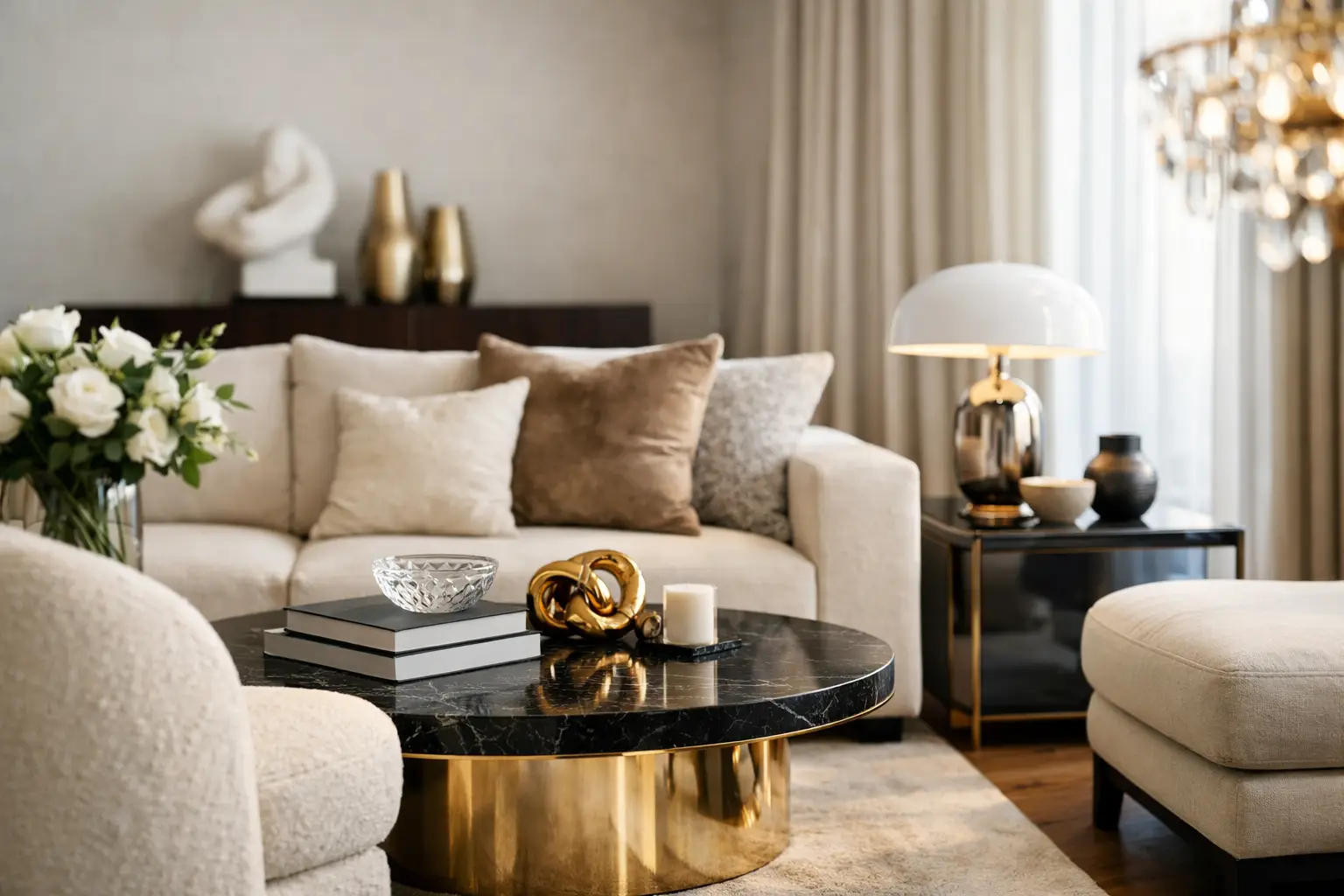
A room rarely feels complete because every surface is filled. It feels complete when the sofa invites you to stay, the dining table gives daily rituals a sense of occasion, and the materials look better the closer you get. Luxury furniture brings that level of intention to the home, pairing visual distinction with the comfort and durability that make a purchase worthwhile long after delivery day.
For a refined home, the goal is not to make every piece expensive or overly formal. It is to choose fewer, better elements that support the way you live. A beautifully made lounge chair can bring more character to a room than a collection of forgettable accents. A well-proportioned console can make an entry feel considered before anyone has taken off their coat.
What Defines Luxury Furniture?
Price may be part of the equation, but it is not the full story. True luxury is felt in the details: the grain of solid wood, the weight of a drawer that closes cleanly, upholstery with depth and softness, and a silhouette that remains appealing when trends move on. These are pieces designed to earn their place rather than simply fill a gap.
Craftsmanship matters because it affects both appearance and daily use. Hardwood frames, quality joinery, high-density cushions, durable metalwork, and carefully tailored upholstery generally offer a more substantial experience than fast-furniture alternatives. Not every premium piece needs to be handmade, and not every handmade item is right for every household. The key is evidence of thoughtful construction and materials suited to its purpose.
Luxury also means proportion. An oversized sectional may be wonderfully comfortable, but it can make a smaller living room feel crowded. A slim dining table might be elegant, yet impractical for a family that hosts frequently. The best choice balances a distinctive look with the scale, traffic, and routines of your home.
Start With the Pieces You Use Most
A polished space is built around the furniture that carries the most of your day. Begin with the anchor pieces: a living room sofa, a bed and headboard, a dining table, or the desk where work actually happens. These are the items most likely to influence comfort, organization, and the overall character of the room.
Investing in an anchor piece first also makes the rest of the room easier to design. Once you have selected a warm walnut dining table or a sculptural cream sofa, choices such as lighting, rugs, side tables, and decor have a clear direction. The result feels collected instead of matched from one page of a catalog.
The Living Room: Comfort With Presence
The living room asks furniture to do several jobs at once. It should welcome guests, hold quiet evenings, and stand up to everyday use. A substantial sofa with supportive cushions, performance upholstery, or quality leather can set the tone for the entire space. Pair it with a coffee table that has visual weight, whether that comes from natural stone, richly grained wood, or a clean architectural base.
Consider how the room is used before choosing a pale boucle sofa or a delicate glass table. Those finishes can be striking, but homes with pets, young children, or frequent gatherings may benefit from textured woven fabrics, washable covers, rounded edges, and surfaces that do not show every fingerprint. Practicality is not a compromise in a premium space. It is part of the design brief.
The Bedroom: Make Rest Feel Considered
A bedroom does not need excess to feel indulgent. An upholstered bed, a tailored headboard, quality nightstands, and a comfortable bench can establish a calm, elevated setting. Look for details that create warmth without clutter: fluted wood, soft neutral fabric, brushed metal hardware, or a gently curved profile.
Storage deserves the same attention as style. A dresser with well-built drawers and a nightstand that accommodates your essentials make the room easier to live in. When the practical pieces are beautiful, daily routines feel more composed.
The Dining Area: Built for Real Gatherings
A dining table is often the most versatile piece in the home. It supports weeknight meals, celebrations, projects, and conversations that stretch longer than expected. Choose a size that allows people to move comfortably around it, then select a material that suits your lifestyle. Natural wood develops a rich patina over time, while stone and sintered surfaces can offer a more tailored, contemporary look.
Dining chairs deserve more than an afterthought. The best ones balance form with enough support for lingering over dinner. Mixing upholstered host chairs with streamlined side chairs can add dimension without making the room feel overly coordinated.
How to Choose Materials That Last
Materials shape how luxury furniture ages. Solid wood, full-grain leather, natural stone, kiln-dried frames, and performance textiles can all be excellent choices, but each asks for something different from the owner.
Wood brings warmth and individuality, especially when grain variation is visible. It may show marks over time, which many homeowners see as character. Stone offers drama and permanence but can be heavy, porous, or sensitive to acidic spills depending on the finish. Leather is enduring and easy to wipe down, though it can develop a lived-in patina and may not suit every preference for softness or temperature.
For upholstered pieces, look beyond color. Consider weave, abrasion resistance, cushion fill, and cleaning needs. A deep ivory fabric can be a beautiful choice in a low-traffic sitting room, while a family room may call for a textured performance fabric in a forgiving neutral. There is no single best material, only the material that will continue to look right in your particular home.
Create a Collected Look, Not a Showroom
One of the clearest signs of confident design is restraint. A home filled entirely with matching furniture can feel flat, even when every piece is beautiful. Instead, create contrast through texture and shape. Pair a structured sofa with a rounded occasional chair. Set a smooth stone table beside woven seating. Add a vintage-inspired wood finish to a room with contemporary lighting.
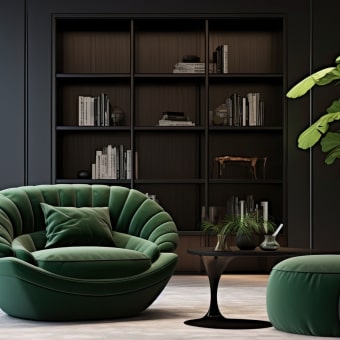
Color works the same way. A neutral foundation gives premium materials room to speak, but neutrals do not have to mean beige on beige. Deep green, espresso, charcoal, rust, soft blue, and warm cream can create a layered palette with lasting appeal. Choose one or two dominant tones, then introduce smaller notes through accent furniture and textiles.
Leave visual breathing room around your favorite pieces. A beautiful credenza loses impact when crowded with decor, and an exceptional chair needs space to read as a statement. Sophistication often comes from knowing what not to add.
Shop With Measurements, Not Just Inspiration
Online shopping makes exceptional design more accessible, but it rewards preparation. Before ordering, measure the room, doorways, elevators, hallways, and the placement area itself. Use painter’s tape on the floor to map a sofa, table, or bed footprint. It is a simple step that can prevent a beautiful piece from becoming an awkward fit.
Pay attention to seat height, table clearance, arm width, and overall depth. These details affect comfort more than a product photo can show. For dining spaces, allow room for chairs to pull back. For living rooms, make sure a coffee table is close enough to use but does not interrupt the path through the room.
At Vellenor, a curated approach makes it easier to focus on furnishings that bring together craftsmanship, comfort, and a more elevated everyday setting. The right purchase should feel exciting, but it should also feel clear: you know where it will live, how it will be used, and why it belongs there.
Luxury furniture is not about creating a home that looks untouched. Choose pieces that invite use, reflect your taste, and make ordinary moments feel a little more intentional.









Leave a comment