
What Furniture Makes a Room Look Expensive?
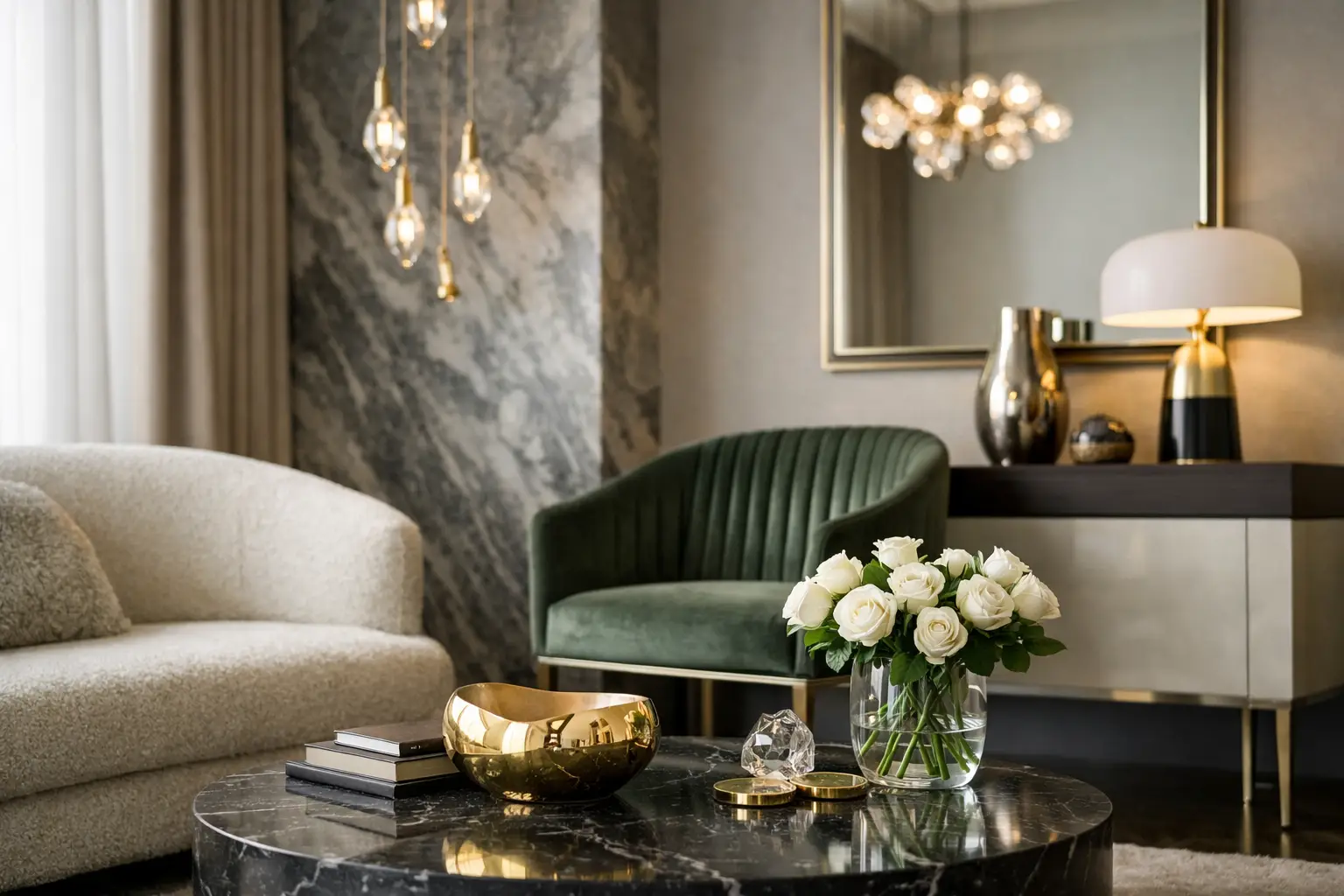
A room rarely looks expensive because every item has a high price tag. It looks expensive when the furniture feels intentional: substantial where it should be, edited where it needs restraint, and finished in materials that reward a closer look. If you are asking what furniture makes a room look expensive, start with the pieces that establish proportion, texture, and a sense of permanence.
The goal is not to create a formal showroom or fill a space with matching sets. A truly elevated home feels collected, comfortable, and tailored to the people who live there. A few well-chosen furniture upgrades can make a greater visual impact than a complete room of smaller, lower-quality pieces.
What Furniture Makes a Room Look Expensive?
Furniture with clean construction, generous scale, tactile materials, and a deliberate silhouette tends to create the most luxurious impression. Think of a deep upholstered sofa, a solid wood dining table, an oversized mirror, or a bedroom with a substantial upholstered bed. These pieces ground the room and signal quality before anyone notices the smaller details.
What matters most is how those items work together. An expensive-looking room has breathing room around its furniture, a consistent color story, and visual contrast between soft upholstery, natural wood, metal, glass, and stone. It is less about choosing one “luxury” material and more about avoiding a space where every surface looks identical.
Start With an Anchoring Piece
Every polished room needs one dominant piece that gives the eye a place to land. In a living room, that is usually the sofa. In a dining room, it is the table. In a bedroom, it is the bed and headboard. Choose this piece first, then let the surrounding furniture support rather than compete with it.
A tailored, generously scaled sofa
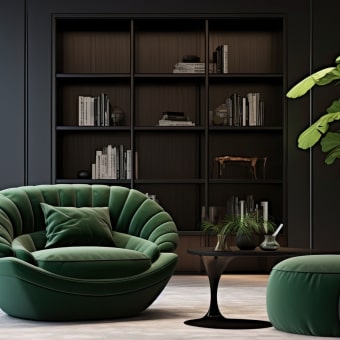
A sofa is often the largest upholstered item in the home, so its shape has an outsized influence on the room. Look for a silhouette with a defined profile: a curved back, a low modern track arm, a classic rolled arm, or clean-lined cushions with subtle tailoring. Performance velvet, bouclé, linen blends, leather, and tightly woven textured fabrics all add dimension that basic synthetic upholstery often lacks.
Scale is essential. A too-small sofa surrounded by too many accent chairs can make even an attractive room feel temporary. Choose the largest sofa that suits the room while leaving comfortable pathways around it. A neutral color such as warm ivory, mushroom, charcoal, camel, or deep olive gives the piece lasting versatility, while a sculptural shape keeps it from feeling plain.
A bed with presence
In a bedroom, a substantial headboard is one of the fastest routes to a more refined look. Upholstered channel-tufted, paneled, or curved headboards create softness and height, while wood or cane designs bring a more organic, resort-inspired character. The bed should feel properly sized for the room, not like an afterthought pushed against a wall.
A simple platform bed can look exceptional when the proportions are right, but it benefits from quality bedding, layered pillows, and nightstands with enough visual weight to balance it. If your ceiling allows, a tall headboard or a canopy-inspired frame can make a standard bedroom feel far more considered.
Choose Materials That Look Better Up Close
Luxury is often felt in the finish. Furniture made from solid wood, stone, tempered glass, genuine leather, woven natural fibers, and well-finished metal has depth that flat-pack surfaces struggle to imitate. This does not mean every piece must be made from rare materials. It means choosing fewer pieces with believable texture and thoughtful details.
Solid wood tables and case goods
A dining table, coffee table, console, or credenza in oak, walnut, ash, or richly finished acacia adds instant warmth. Wood grain brings natural variation, which makes a room feel more layered and less mass-produced. Look for clean joinery, rounded or softened edges, and legs that appear purposeful rather than thin or overly decorative.
For a modern luxury feel, pair a warm wood table with sculptural dining chairs or upholstered seating. For a more traditional setting, choose a darker stain and add a statement mirror, framed art, or a tailored sideboard. Wood does require care, particularly in busy family homes, but its enduring character is part of the appeal.
Stone, glass, and metal accents
A coffee table with a marble-look top, travertine-inspired surface, smoked glass, or a refined metal base can bring a sense of sophistication to a seating area. These materials reflect light differently than fabric and wood, giving the room the contrast it needs. One stone or glass table is often enough. Too many reflective surfaces can make a space feel cold rather than elevated.
Metal is best used as an accent: a brushed brass side table, blackened steel console base, or antique bronze cabinet hardware. Mixing metals can look beautiful when the finishes are intentional. Limit the palette to two related finishes so the room still feels composed.
Add Furniture That Creates Architectural Interest
Some furniture earns its place not only through function but through the shape it brings to a room. These are the pieces that make a space feel designed rather than merely furnished.
Sculptural accent chairs
A pair of accent chairs can frame a sofa, define a reading corner, or give an open-plan room a more complete layout. Barrel chairs, occasional chairs with curved backs, and streamlined lounge chairs work especially well because they introduce a softer outline against the straight lines of sofas and walls.
The key is restraint. One exceptional chair can make more impact than several small, mismatched seats. If space is limited, choose a chair with visible legs or an open base to preserve a feeling of airiness.
A substantial coffee table or ottoman
A coffee table should be large enough to serve the seating arrangement. A common mistake is choosing a table that looks lost in the center of a generous rug. An oversized round table, low wood table, upholstered ottoman, or stone-look block design feels more luxurious because it gives the room a confident center.
An upholstered ottoman is particularly useful for homes that prioritize comfort. Select one in a durable textured fabric and style it with a tray for books, a candle, or a small arrangement. It offers softness, storage potential, and an inviting place to put up your feet.
A long, low credenza
A credenza is one of the most versatile premium-looking pieces to own. In a dining room, it stores serveware. In an entryway, it creates a finished arrival moment. In a living room, it can conceal media components and clutter. Choose a wider design rather than a narrow, tall unit when possible. Its horizontal line makes the room feel calmer and more expansive.
The Expensive Look Depends on Proportion
Even beautiful furniture can lose its impact when the scale is wrong. A large sectional crammed into a compact apartment will feel cumbersome, while tiny nightstands beside a king bed will look undersized. Before purchasing, measure the room, note window and door clearances, and map out walkways.
Aim for furniture that relates to the architecture. Low ceilings often benefit from low-profile seating and elongated consoles. Rooms with high ceilings can handle taller bookcases, large art, and statement lighting. In a small space, choose fewer but better pieces, preferably with concealed storage or raised legs that keep the floor visible.
Negative space is part of the design. Leaving a wall unfilled or allowing a chair to sit away from the corner is not wasted space. It gives quality furniture the room to be seen.
Avoid the Details That Lower the Overall Effect
A premium room is not required to be perfect, but a few choices can dilute an otherwise beautiful foundation. Matching furniture sets can feel overly predictable, especially when the bed, nightstands, dresser, and chest are all identical. Instead, coordinate through finish, shape, or hardware while allowing one or two pieces to contrast.
Be cautious with furniture that is overly shiny, excessively ornate, or scaled too small. Thin metal legs, tiny rugs, short curtains, and crowded tabletops can make a room feel less substantial. The answer is not always to buy more. Often, it is to remove extras and invest in a stronger focal piece.
Finish the Room With Intentional Layers
Furniture creates the structure, but the final luxurious effect comes from what surrounds it. Place a generously sized rug under the main seating group, add a floor lamp with a sculptural base, and choose curtains that reach close to the floor. A large mirror can amplify natural light, while a few substantial books and a ceramic vase give tables a styled, lived-in finish.
Keep surfaces edited. Luxury is rarely communicated by displaying everything you own. Leave room for a favorite object, a fresh branch, or a beautifully framed photograph to have presence.
When selecting furniture for an elevated home, buy for the feeling you want to return to every day: comfort with polish, function with character, and craftsmanship you can see. Vellenor’s curated approach makes it easier to choose pieces that do more than fill a room – they make everyday living feel distinctly more refined.









Leave a comment