Gas Grill vs Pellet Grill: Which Fits You?
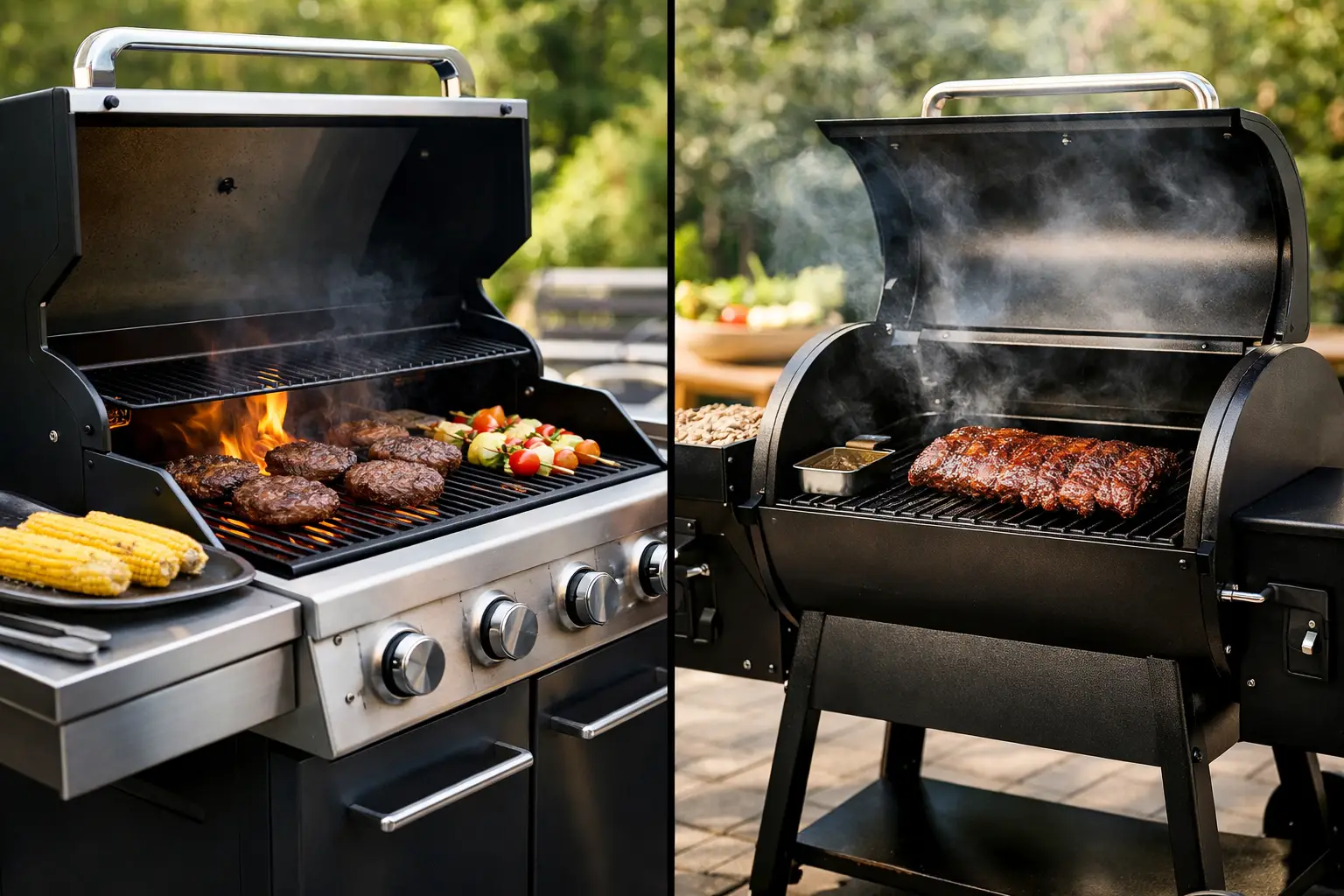
A weeknight dinner at 7 p.m. and a slow-smoked brisket for Saturday are two very different outdoor cooking moments. That is why the gas grill vs pellet grill question matters more than most buyers expect. Both can elevate your patio, both can deliver impressive results, and both suit a more refined outdoor lifestyle. The right choice depends less on hype and more on how you actually cook, host, and want your space to feel.
Gas grill vs pellet grill at a glance
If you want fast heat, familiar operation, and easy weeknight convenience, a gas grill usually feels like the more natural fit. If you care most about wood-fired flavor, low-and-slow cooking, and a more craft-driven outdoor cooking experience, a pellet grill often stands out.
That said, neither option is automatically better. A premium grill should match your routine as much as your taste. For many shoppers, this is not only about performance. It is also about design presence, ease of use, and whether the grill supports the kind of entertaining they want at home.
What a gas grill does best
A gas grill is built around speed and control. You turn a knob, ignite the burners, and within minutes the grill is hot and ready. That alone makes it appealing for busy households, casual dinners, and anyone who wants outdoor cooking without much setup.
Gas grills also offer direct heat exceptionally well. Burgers, steaks, chicken breasts, shrimp skewers, vegetables, and pizzas all benefit from quick preheating and responsive temperature adjustments. If your idea of grilling is crisp grill marks, high-heat searing, and getting dinner on the table efficiently, gas feels polished and practical.
There is also a lifestyle advantage. Gas grilling tends to be cleaner and simpler day to day. You do not need to manage fuel pellets, wait for a smoking cycle, or think too much about timing. For homeowners designing a stylish and functional patio, that convenience can be part of the luxury.
The trade-off is flavor. A gas grill can still produce excellent food, especially with quality burners and thoughtful technique, but it does not naturally create the same deep wood-smoked character that pellet cooking is known for. If rich smoke flavor is central to your outdoor cooking goals, gas may feel a little restrained.
What a pellet grill does best
A pellet grill brings a different kind of appeal. It burns compressed wood pellets and uses digital controls to maintain temperature, creating a cooking experience that feels more curated and flavor-forward. For many people, the biggest draw is obvious from the first bite: food cooked on a pellet grill carries real wood-fired character.
This makes pellet grills especially appealing for ribs, pork shoulder, brisket, whole chickens, salmon, and other foods that benefit from longer cooking times. The heat is generally more indirect and even, which helps with roasting and smoking. In many cases, a pellet grill works almost like an outdoor oven with smoke built in.
That combination of precision and flavor can feel distinctly premium. Instead of simply grilling dinner, you are crafting a meal with more depth and presence. For hosts who enjoy long weekends, backyard gatherings, and a more elevated approach to entertaining, a pellet grill often creates the kind of experience guests remember.
The compromise is speed and intensity. Pellet grills typically take longer to heat up than gas grills, and while some models can sear reasonably well, many are not as naturally strong at high-heat searing. If you mainly want fast burgers on a Tuesday, the process may feel less convenient than gas.
Flavor is the real dividing line
When people compare a gas grill vs pellet grill, flavor is usually where the decision becomes clear. Gas grills deliver clean, straightforward grilled taste. Pellet grills add smoke, depth, and a subtle wood-fired quality that can make even simple cuts feel more special.
Neither profile is wrong. Some households prefer the lighter finish of gas because it suits quick meals and a wider range of everyday foods. Others want the richer, more layered taste that pellet cooking brings. If your outdoor kitchen is part of a more curated home lifestyle, that flavor difference can shape the entire kind of menu you serve.
It helps to be honest here. If you love the idea of smoked meats more than you actually make them, a pellet grill may be aspirational but underused. If you truly enjoy cooking with patience and building meals around the grill, then pellet can feel worth every extra minute.
Ease of use and maintenance
Gas grills win for simplicity. Start-up is faster, temperature changes are more immediate, and cleanup is often more familiar. For anyone who values convenience and wants fewer moving parts in their routine, gas is a very comfortable choice.
Pellet grills are not difficult, but they are more involved. You need to keep pellets dry, monitor hopper levels, and clean ash periodically. The digital controls are often user-friendly, yet the overall ownership experience is slightly more hands-on. That is not necessarily a downside. For many buyers, it is part of the appeal. But it is still worth considering before you commit.
Weather can also matter. Gas grills are generally more predictable in changing conditions, while pellet grills can be more sensitive to cold, wind, and moisture depending on build quality and insulation. If you want a dependable, low-fuss appliance for year-round use, this is worth weighing.
Cost over time
Upfront pricing varies widely in both categories, especially once you move into premium construction and larger cooking surfaces. In general, gas grills can offer a more accessible entry point for quality performance, while pellet grills often carry a higher price when you want strong temperature control, durable materials, and reliable long-term use.
Fuel costs differ too. Propane or natural gas expenses are one part of ownership with gas. Pellet grills require ongoing pellet purchases, and frequent low-and-slow cooks can add up over time. The difference may not be dramatic for occasional use, but if you grill often, operating cost becomes part of the bigger picture.
This is where value matters more than sticker price. A grill that fits your habits will always feel more worthwhile than a more expensive model that does not suit your routine.
Which grill suits your cooking style?
Choose gas if convenience leads
If your ideal outdoor setup centers on fast dinners, spontaneous entertaining, and polished simplicity, gas is hard to beat. It fits households that grill often but do not want every meal to become a project. It also suits buyers who see the grill as one part of a beautifully functional patio rather than the centerpiece of an all-day cooking ritual.
Choose pellet if flavor leads
If you care about smoke, patience, and richer cooking results, pellet makes a compelling case. It works especially well for people who enjoy hosting, experimenting with recipes, and turning the backyard into a more immersive culinary space. There is a sense of craftsmanship to pellet cooking that many premium shoppers appreciate.
Choose based on what you cook most
This may be the simplest test of all. If your menu is mostly steaks, burgers, vegetables, and quick chicken dinners, gas usually aligns better. If your menu includes ribs, brisket, pulled pork, smoked wings, and slow-roasted mains, pellet often delivers more of what you want.
Design and patio presence
A grill is not only a cooking tool. It is part of your outdoor environment. For style-conscious shoppers, the visual presence of the appliance matters almost as much as the results.
Gas grills often have a sleek, built-in look that pairs naturally with streamlined patios and modern outdoor kitchens. They feel crisp, efficient, and tailored. Pellet grills can also look impressive, but they tend to signal a more serious cooking identity – more culinary studio, less quick-cook station.
That distinction matters if you are creating an outdoor space that reflects your taste. At Vellenor, that kind of considered living is part of the appeal. The right grill should support not just meals, but the atmosphere around them.
So, which one should you buy?
If you want versatility with a clear emphasis on speed, ease, and high-heat grilling, choose gas. It is the more practical fit for frequent everyday use and the better option for buyers who want refined performance with minimal friction.
If you want wood-fired flavor, digital smoking control, and a more elevated weekend cooking experience, choose pellet. It asks for a bit more patience, but it rewards that patience with character you can taste.
There is no glamorous shortcut around this decision. The best grill is the one that fits the meals you actually cook, the gatherings you actually host, and the outdoor lifestyle you want to enjoy more often. Pick the grill that makes you want to step outside and use it.













Leave a comment