8 Home Decor Trends Worth Trying Now
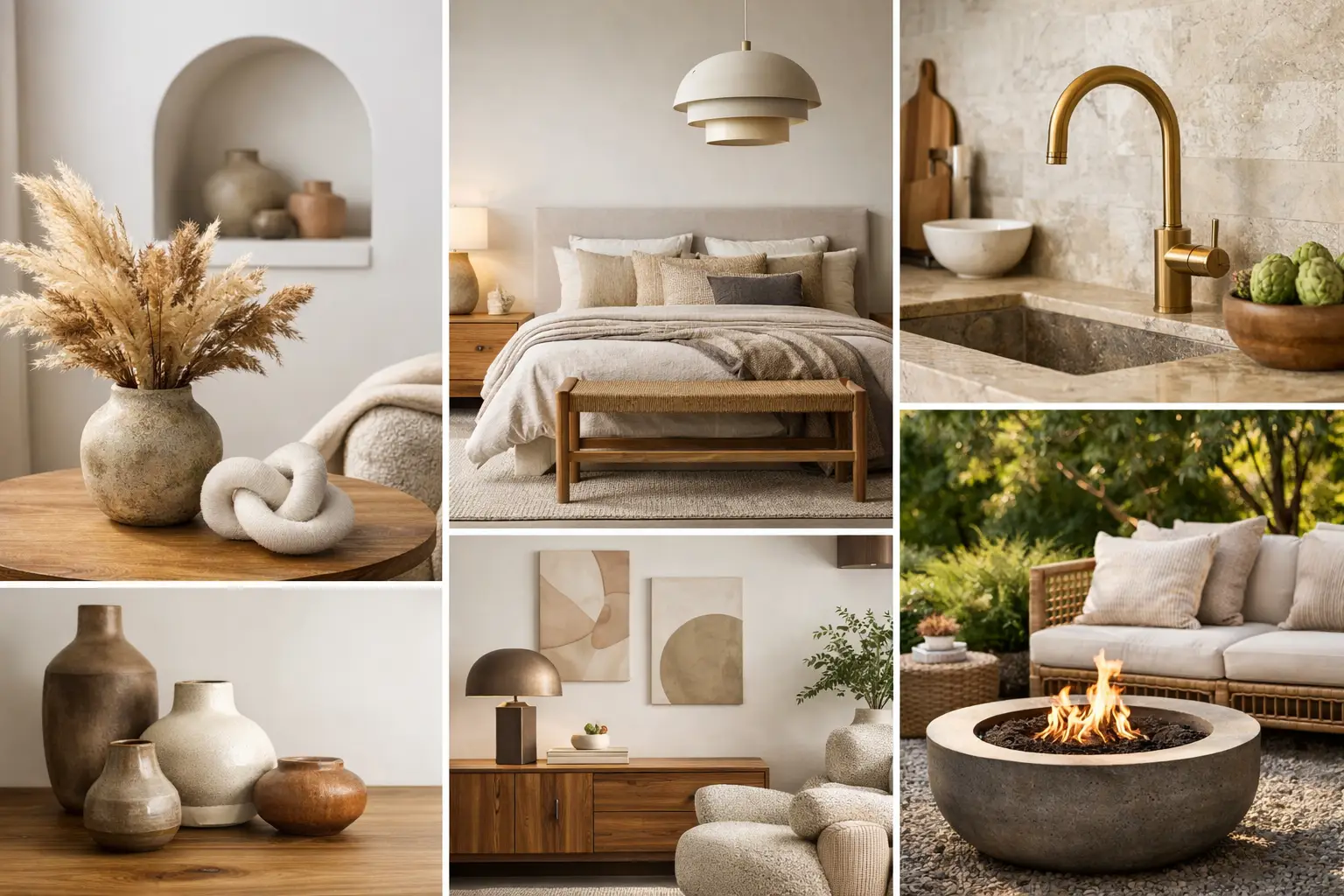
A well-designed room tells on itself within seconds. You notice the soft texture on a chair before you register its shape, the warm wood tone before you think about the layout, and the lighting before you realize why the space feels calm. That is why home decor trends matter right now – not as rules to follow, but as signals of how people want to live. The strongest looks this year are less about quick makeovers and more about creating homes that feel refined, comfortable, and genuinely personal.
For shoppers who want elevated style without losing everyday function, the current shift is a welcome one. The best interiors are moving away from disposable decor and toward pieces with presence, craftsmanship, and staying power. Here is what is defining the moment, and where each trend makes sense in real life.
Home Decor Trends Are Getting Softer
For years, modern interiors leaned cool and sharply edited. Now the mood is warmer, quieter, and more layered. Creamy neutrals, oat tones, clay, caramel, olive, and muted charcoal are replacing stark black-and-white palettes in many homes. The effect is polished, but also livable.
This softer direction works because it leaves room for variation. A living room can still feel contemporary with clean-lined seating and sculptural lighting, but the materials now carry more depth. Boucle, velvet, linen, brushed metal, natural stone, and richly grained wood all help a space feel curated rather than flat.
There is a practical upside too. Softer palettes tend to age better than high-contrast looks built around a single trend color. If you like to refresh your space gradually instead of redoing everything at once, this is one of the most forgiving directions to adopt.
Warm minimalism beats bare minimalism
Minimalism is not disappearing. It is simply becoming more generous. Instead of empty surfaces and ultra-strict styling, warm minimalism focuses on restraint with comfort. Think fewer objects, but better ones. A substantial coffee table, a beautiful floor lamp, a textured area rug, and storage that keeps visual noise under control can do more than a room full of decorative filler.
The trade-off is that every piece has to earn its place. In a sparse room, poor quality stands out fast. If you are investing in this look, prioritize form, finish, and proportion over quantity.
Quiet luxury is shaping the best rooms
One of the clearest home decor trends is the rise of quiet luxury. In interiors, that means quality you can feel more than flashy statements you immediately notice. It is less about obvious labels and more about balance, tailoring, and materials that look expensive because they are thoughtfully chosen.
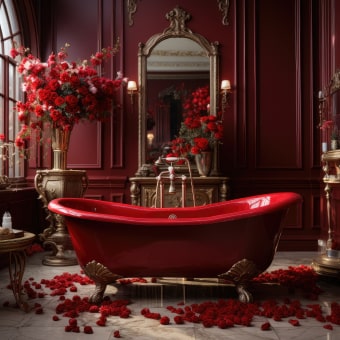
In practice, quiet luxury shows up through upholstered beds with clean silhouettes, solid wood dining tables, oversized mirrors, substantial drapery, and bathroom finishes that feel hotel-inspired rather than purely utilitarian. The appeal is simple: these choices elevate daily life without looking overly styled.
This trend is especially useful for shoppers who want longevity. Unlike decor that depends on novelty, quiet luxury tends to hold its value visually because it is built on timeless design cues. That said, it can read flat if every surface is too similar. The room still needs contrast, whether that comes from mixed textures, a darker accent tone, or a single sculptural piece.
Curves are staying, but with more structure
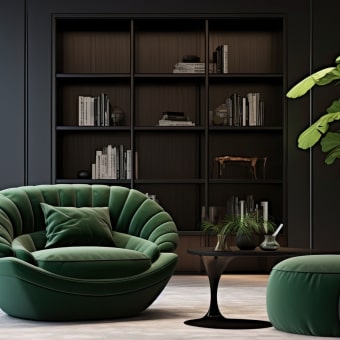
Rounded furniture has been popular for a while, and it is not gone. What is changing is how it is being used. Instead of rooms filled with soft, cloud-like shapes, we are seeing curves balanced by stronger lines. A curved accent chair may sit beside a more architectural side table. An arched mirror may anchor a room with tailored cabinetry.
This makes the look more versatile. Curves bring softness and ease, while structured pieces keep the room from feeling overly sweet or trend-driven. It is a smart combination for anyone designing a space that needs to feel current now and still polished a few years from now.
If you are trying this approach, scale matters. Rounded forms work best when they have enough presence to feel intentional. A tiny curved piece can look accidental, while a properly scaled chair, sofa, or mirror makes the room feel composed.
Natural materials are becoming the standard
There is a reason wood, stone, rattan, linen, wool, and ceramic keep showing up across premium interiors. They add visual texture without demanding attention, and they bring a sense of authenticity that mass-produced finishes often miss.
This shift is showing up in every room. In kitchens, it can mean wood stools, stone-look surfaces, and hand-finished serving pieces. In bathrooms, it often appears through spa-like textures such as matte finishes, organic shapes, and layered towels in soft neutrals. In bedrooms, it is visible in upholstered headboards, wood nightstands, and breathable bedding that feels as good as it looks.
The reason this trend has staying power is that it supports both comfort and sophistication. Natural materials make a room feel grounded, but they also photograph beautifully and wear well over time. The one thing to watch is maintenance. Some finishes are more forgiving than others, especially in homes with kids, pets, or heavy daily use. Beauty matters, but so does choosing surfaces you will not have to baby.
Smart homes are blending into the decor
Technology is no longer separate from style. One of the more practical home decor trends is the move toward integrated tech that supports comfort without dominating the room. People still want convenience, but they want it delivered with a cleaner visual footprint.
That means sleek lighting, discreet charging solutions, better-looking speakers, upgraded home electronics, and fixtures that support comfort and efficiency without adding clutter. In a well-designed home, technology should improve the atmosphere, not interrupt it.
This is where thoughtful product selection makes a difference. The best smart additions are the ones that align with the room’s aesthetic from the start. A sculptural lamp with modern functionality, a streamlined air purifier, or an elegant bathroom fixture can feel like part of the design rather than an afterthought.
Outdoor spaces are being styled like real rooms
Patios, balconies, and backyards are no longer treated as secondary spaces. They are being furnished and styled with the same care as interiors, which makes sense given how much value people place on comfort at home.
What sets this trend apart is the shift away from basic seasonal setups. Outdoor spaces now feature layered seating, accent tables, planters, weather-friendly textiles, and lighting that creates mood after sunset. Even smaller balconies can benefit from this approach when the furniture is scaled well and the palette feels intentional.
This does not mean every outdoor area needs a full redesign. Often, a few better pieces create more impact than a crowded arrangement of lesser ones. For a premium retailer such as Vellenor, this is where curated discovery really shines – helping customers find outdoor products that feel elevated, cohesive, and easy to live with.
Personal expression is back, but edited
After years of highly uniform interiors on social media, personality is returning to the room. The difference is that it looks more collected than crowded. People are mixing vintage-inspired accents with modern furniture, displaying books and objects with more intention, and choosing art that says something about their taste instead of simply matching the sofa.
This is one of the healthiest shifts in decor because it makes trend adoption more flexible. You do not need to rebuild a room to make it feel current. Sometimes one distinctive cabinet, a bold table lamp, or a richer textile is enough to change the energy.
The key is editing. Personal does not have to mean busy. A room feels sophisticated when there is a clear point of view, not when every shelf is filled. If you love collected spaces, leave room for negative space too. It gives your favorite pieces more authority.
What to try first if you want an update
If your home feels dated, start with the elements that influence mood the most: lighting, textiles, and tone. New lighting can sharpen a room’s shape instantly. Better rugs, drapery, and bedding add comfort and visual depth. A warmer palette can make even familiar furniture feel more current.
From there, look at what feels temporary versus what feels foundational. Trend-led accessories are easier to swap, while furniture, bathroom upgrades, and outdoor pieces deserve a more lasting point of view. The smartest updates are the ones that blend style with daily usefulness.
The most appealing homes right now are not chasing every new idea. They are choosing from the best home decor trends with confidence, investing in quality where it counts, and creating spaces that feel elevated the moment you walk in. If a trend helps your home feel calmer, more beautiful, and easier to enjoy, it is worth considering. If it only looks good for a season, you can leave it behind.








Leave a comment