How to Design a Curated Home Office
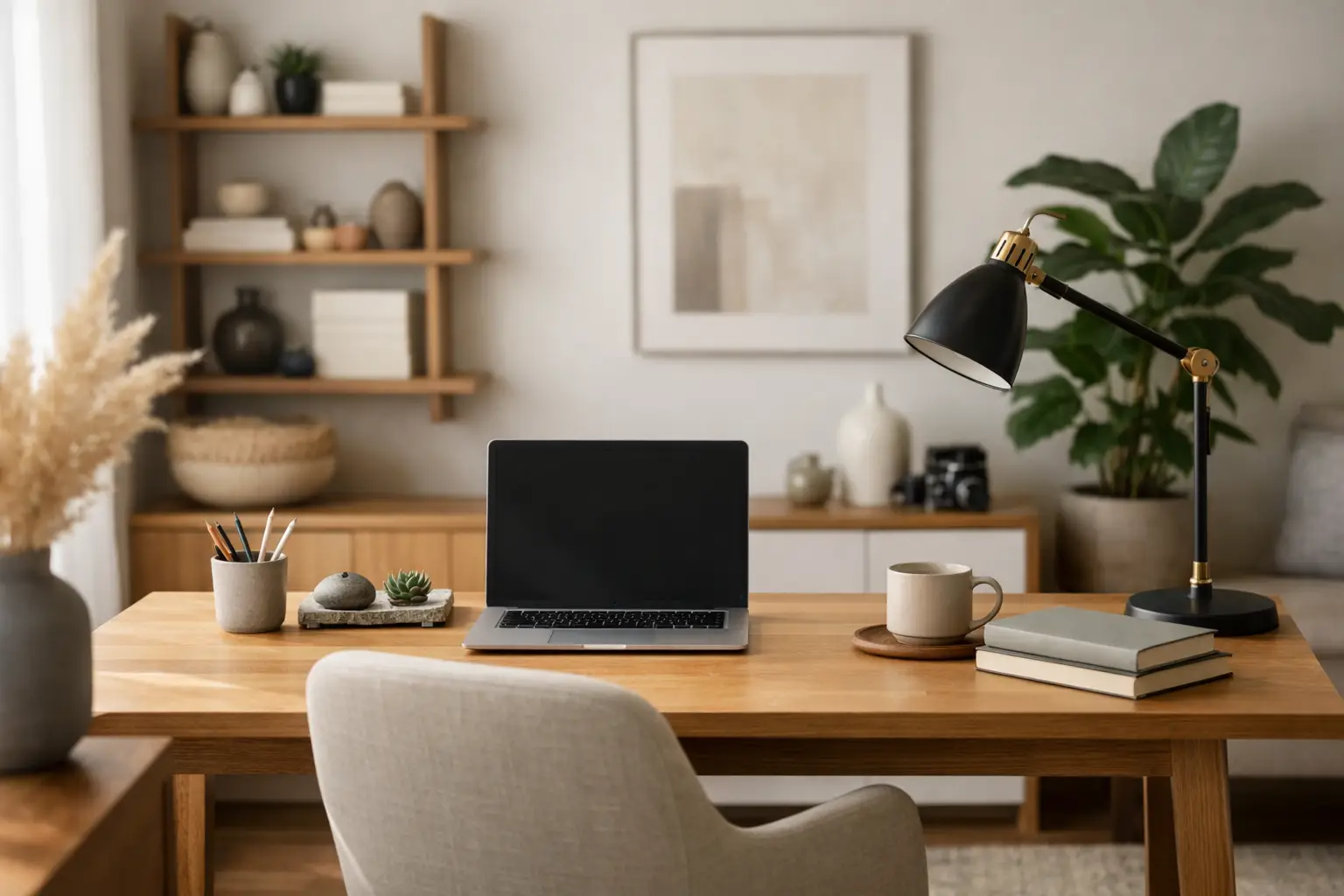
A home office can look polished in a photo and still feel frustrating by 10 a.m. The difference usually comes down to curation. If you are figuring out how to design a curated home office, the goal is not to fill a room with expensive pieces. It is to shape a workspace where every choice feels intentional, useful, and visually calm.
A curated office has a point of view. It reflects your schedule, your taste, and the kind of work you do every day. That means the best room for a creative founder may look very different from the best setup for a remote manager, a consultant, or a parent balancing work with family life. Good design starts with style, but it earns its place through comfort, organization, and ease.
Start with the room’s purpose
Before choosing finishes or furniture, decide what the office needs to support. Some people need a quiet space for video calls and concentrated work. Others need room for sketching, packing samples, reading contracts, or managing household planning alongside their job. A curated space is built around those realities, not around a trend.
This is where restraint matters. If your work is mostly digital, you may need a refined desk, supportive seating, discreet storage, and excellent lighting. If you handle paperwork or creative materials, you may need a larger work surface and more concealed organization. Editing down your needs first helps the room feel elevated rather than crowded.
How to design a curated home office around one anchor piece
Most sophisticated rooms begin with one strong decision. In a home office, that is usually the desk. It sets the tone for proportion, material, and overall mood. A streamlined wood desk brings warmth and permanence. A desk with mixed materials, such as wood and metal, can feel more modern and architectural. A compact writing desk suits smaller spaces, while an executive-style silhouette creates presence in a dedicated office.
Scale is just as important as style. A desk that is too small makes the room feel temporary. One that is too large can overwhelm the layout and reduce flexibility. Leave enough space to move comfortably, pull out the chair without strain, and add supporting pieces without creating visual tension.
Once the desk is chosen, let it guide the rest of the room. The office should feel collected, not matched set by set. That usually means repeating a finish, shape, or tone rather than buying everything from one line.
Choose a chair that supports long hours
A beautiful chair that leaves you sore by midday is not a luxury. It is a mistake. The most curated home offices balance elegance with ergonomic support, and this is the place to prioritize both.
Look for clean lines, quality upholstery, and an adjustable structure that fits your working habits. If your chair has a technical look, soften it with warmer materials elsewhere in the room. If you prefer a more decorative chair, make sure it still supports posture and movement. Comfort is part of refinement.
Build the room in layers, not pieces
One of the easiest ways to make a home office feel unfinished is to stop at the desk and chair. A curated room feels complete because it includes supporting layers that add function and depth.
Storage should be one of the first layers. Closed storage keeps visual noise under control and protects the room’s clean lines. Open shelving can work beautifully, but only when it is edited. Too many books, accessories, cords, and paper stacks can make even premium furniture feel busy. If you use open shelves, think in groups and negative space. A few substantial objects usually look more elevated than many small ones.
Lighting is the next major layer. Relying on a single overhead fixture tends to flatten the room and strain the eyes. A thoughtful office includes ambient light, task light, and, when possible, natural light. A sculptural table lamp can add warmth and character to the desk. A floor lamp can soften a corner and make the office feel more like a furnished interior than a utility zone.
Then add texture. A rug under the desk helps define the workspace and improves acoustics. Window treatments bring softness and privacy. A side chair or bench can make the room feel welcoming, especially if the office also serves as a reading space or occasional meeting background.
Keep the palette refined and easy to live with
Color does more than decorate. It shapes how focused, calm, and expansive a room feels. In a curated office, the palette should support concentration while still expressing personality.
Neutrals are a natural starting point because they create flexibility and allow materials to stand out. Warm whites, taupes, soft grays, charcoal, sand, and muted wood tones tend to age well and photograph beautifully. They also pair easily with technology, which is useful in a room where screens and equipment are always present.
That does not mean the space has to be plain. Deep green, navy, clay, espresso, or matte black can add sophistication when used with intention. The key is consistency. Too many competing tones make the office feel styled in fragments rather than curated as a whole.
If you want a more expressive room, keep the larger elements calm and bring in personality through art, books, textiles, or a single accent finish. This creates interest without reducing flexibility later.
How to design a curated home office with less clutter
Clutter is often a design issue before it becomes an organization issue. If a room does not have clear places for chargers, paperwork, notebooks, headphones, and everyday tools, surfaces start doing all the work. That immediately weakens the look of the office.
The best solution is to plan storage according to frequency of use. Daily essentials should be within reach but out of sight when possible. Less-used items can go into cabinets, drawers, or labeled boxes. Decorative containers, trays, and drawer organizers help small necessities feel deliberate rather than scattered.
Cable management deserves special attention. Even a beautifully furnished office can lose its impact when cords are visible from every angle. Hidden power solutions, desk grommets, and simple routing tools make a noticeable difference. This is one of those details that feels minor until the room is finished, and then it feels essential.
Edit your visible surfaces
A curated desk should not be empty, but it should be selective. Leave space to work comfortably. Keep only what supports the experience: perhaps a lamp, a tray, a quality pen holder, and one personal object with presence. The same principle applies to shelves, consoles, and credenzas. Visual breathing room makes premium materials and shapes easier to appreciate.
Add personality without losing polish
A home office should feel personal enough that you want to spend time there. The trick is choosing details that contribute to the room rather than distract from it.
Art is often the smartest place to start. One oversized piece can establish character more effectively than several smaller items competing for attention. Books, framed photography, ceramics, or a carefully chosen decorative object can also bring dimension. Greenery adds life, but it should feel maintained and intentional, not like an afterthought.
Technology also affects the room’s character. Sleek monitors, quality speakers, refined desk accessories, and discreet charging tools help the office feel current and efficient. When practical tools are chosen with the same care as furniture, the whole room feels more cohesive.
There is also value in leaving some things out. Not every corner needs to be styled. A curated interior is confident enough to let a beautiful desk, a tailored chair, or a rich material speak for itself.
Make the office fit the rest of your home
The most successful home offices do not feel disconnected from the surrounding rooms. They carry forward the home’s broader language, whether that is modern, classic, organic, or quietly luxurious. This does not mean repeating every finish exactly. It means creating continuity through tone, shape, and quality.
If the rest of your home leans warm and textured, a stark corporate office may feel out of place. If your interiors are crisp and minimal, an overly rustic workspace can interrupt the flow. The office should feel like part of your lifestyle, not a separate set.
This is where a curated approach becomes especially valuable. Brands like Vellenor appeal to shoppers who want the convenience of finding elevated pieces across categories while keeping their spaces coherent. That kind of discovery-led shopping makes it easier to blend furniture, lighting, storage, and finishing details into a room that feels considered from every angle.
Invest where it shows and where it matters
Not every item in the room needs the same budget priority. Spend more on the elements you use constantly and the pieces that define the room visually. For most people, that means the desk, chair, lighting, and storage. These choices affect both daily comfort and the overall impression of the space.
Save on highly replaceable accessories if needed, but be selective. A few well-made pieces usually create a more luxurious result than many lesser ones. Curated design is often less about adding more and more about choosing better.
A beautiful office should make work feel easier to begin. When the room is balanced, organized, and aligned with your taste, it stops feeling like a corner you borrowed and starts feeling like a place designed for your ambitions.









Leave a comment