Freestanding Tub vs Walk In Shower
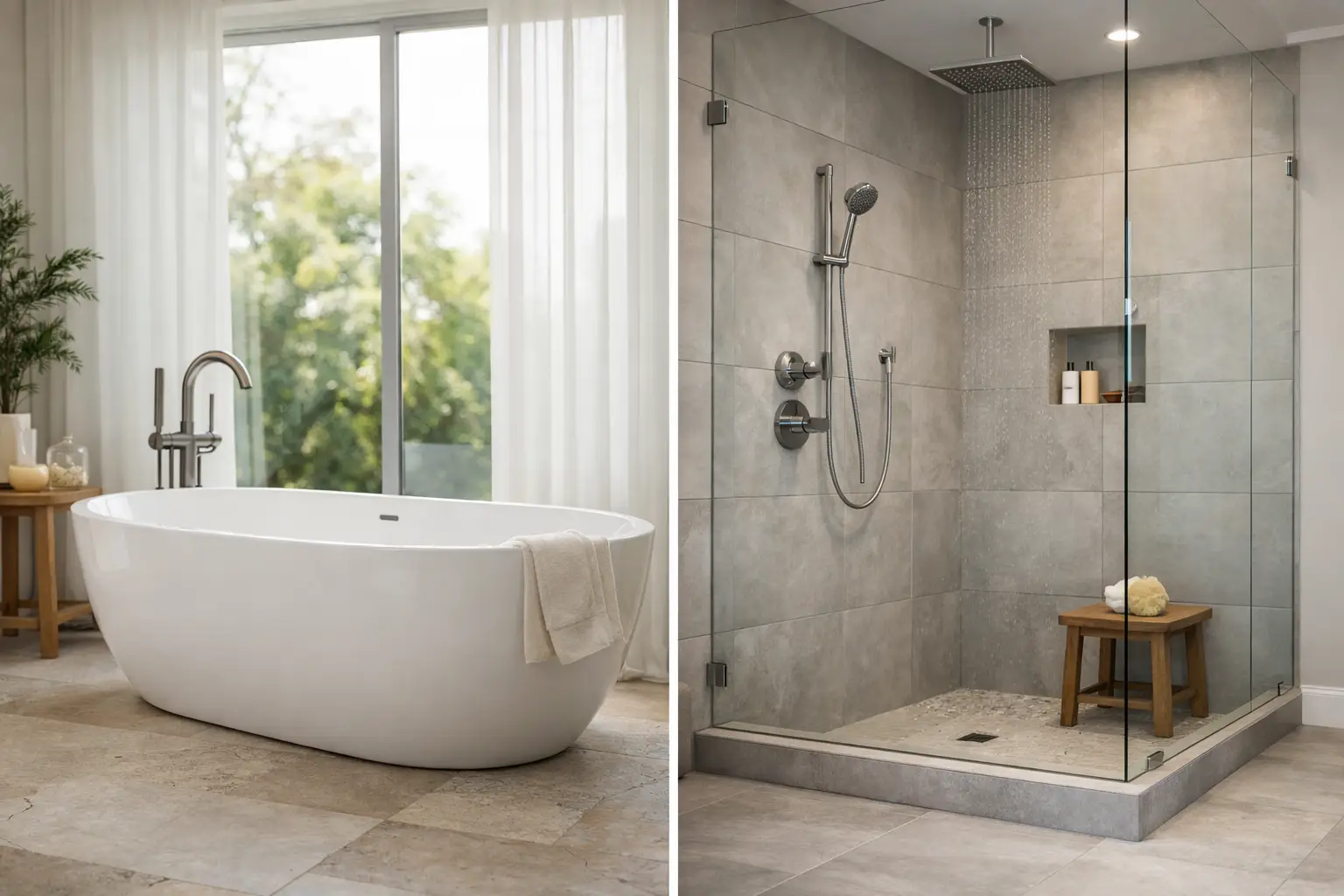
A beautiful bathroom can raise the standard of your entire home, but few choices shape the space more than freestanding tub vs walk in shower. This is not just a layout decision. It affects how the room feels in the morning rush, how it performs for guests and family, and how polished it looks for years to come.
For some homes, a sculptural tub delivers the kind of quiet luxury that makes the bathroom feel like a private retreat. For others, a walk in shower brings the streamlined ease that modern living demands. The right answer depends on your space, your routine, and the kind of comfort you want every day.
Freestanding tub vs walk in shower: what matters most?
The easiest way to compare these two options is to start with real life, not showroom appeal. A freestanding tub is often chosen for atmosphere. It creates a focal point and instantly makes a bath feel more curated, more spacious, and more elevated. If your goal is to create a room with softness, presence, and a luxury feel, a freestanding tub has a strong visual advantage.
A walk in shower is usually the more practical choice. It supports busy schedules, easier access, and a cleaner architectural look. In many homes, it becomes the feature people use most often. If your bathroom needs to work hard every day, a walk in shower often delivers more value through convenience alone.
Neither is automatically better. A large primary bathroom can support both beautifully. A smaller bathroom usually asks you to choose which experience matters more.
Style and visual impact
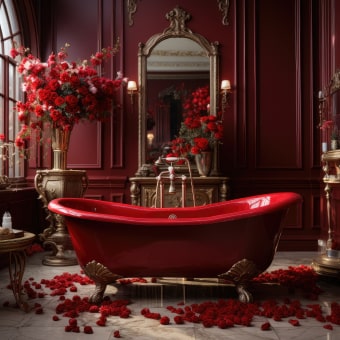
A freestanding tub makes a statement the moment you enter the room. It feels intentional, almost furniture-like, and works especially well in bathrooms designed around symmetry, natural materials, or a spa-inspired palette. Whether the shape is sleek and modern or softly classic, it brings a sense of refinement that built-in tubs rarely match.
That said, it needs the right setting. A freestanding tub placed in a tight or awkward room can feel squeezed in rather than sophisticated. It tends to look best with breathing room around it, along with quality floor finishes and thoughtfully placed fixtures.
A walk in shower offers a different kind of luxury. Instead of standing out as an object, it enhances the room through clean lines and openness. Frameless glass, large-format tile, and refined hardware can make the entire bathroom feel brighter and more expansive. In contemporary homes, that understated elegance often feels more current than a tub-centered design.
If your taste leans dramatic and curated, the tub usually wins on visual impact. If you prefer polished minimalism, the shower often feels more aligned.
Space planning and layout
Space is where this decision becomes very clear. A freestanding tub generally asks for more floor area and more visual clearance around it. Even compact models need enough room to feel intentional, and plumbing placement can limit where the tub can go. In a smaller bathroom, that footprint may crowd the vanity, reduce storage, or make the room harder to move through comfortably.
A walk in shower often uses space more efficiently. It can be tailored to corners, alcoves, or long narrow layouts, and glass panels help preserve sightlines. That flexibility is a major advantage in urban homes, guest bathrooms, and remodels where every inch matters.
This does not mean a shower always takes less room. A generously sized walk in shower can be expansive, especially if you want built-in benches or multiple spray options. But if efficiency is the priority, the shower is usually easier to design around.
Daily use and comfort
This is where lifestyle should lead the decision. A freestanding tub is about slowing down. It suits people who genuinely enjoy bathing and see it as part of their wellness routine, not just an occasional luxury. If you value the ritual of an evening soak, a tub can feel less like an indulgence and more like a feature you will appreciate weekly.
Still, tubs are not always the easiest option for everyday use. Stepping in and out can be less comfortable for some users, and a quick rinse is simply faster in a shower. Families with young children may appreciate having a bathtub somewhere in the home, but that does not always mean the primary bathroom needs the most dramatic freestanding model.
A walk in shower is built for ease. It fits morning routines, post-workout resets, and households with multiple people sharing a bathroom schedule. Low-threshold or curbless designs also support accessibility and long-term usability in a way many tubs cannot.
If your bathroom needs to serve speed, simplicity, and comfort every day, the shower has a clear edge.
Cleaning and maintenance
Luxury looks best when it stays easy to live with. A freestanding tub can be simple to clean inside, but the exterior and the floor around it need attention too. If there is limited space behind or around the tub, cleaning can become less convenient than expected. Floor-mounted fillers also add another element to maintain.
Walk in showers vary more. A streamlined shower with large tile and minimal grout can be very manageable. A shower with heavy framing, complicated stone patterns, or multiple glass surfaces may need more frequent upkeep to preserve its polished finish. Water spotting on glass is one of the most common complaints, especially in areas with hard water.
From a maintenance standpoint, the winner depends on materials and installation details more than category alone. Thoughtful finishes make a bigger difference than most people expect.
Cost and renovation complexity
A freestanding tub can look effortlessly elegant, but installation is not always simple. Plumbing may need to be moved, flooring may need to be refinished around the tub, and premium filler fixtures can raise the budget quickly. The tub itself can range widely in price depending on material, shape, and brand.
A walk in shower can also become a premium investment, especially with custom tile, drainage work, waterproofing, and upgraded glass. If you are building a large shower with designer finishes, it may cost as much as or more than a tub installation.
The real difference is where the money goes. With a tub, more of the budget may center on the statement piece. With a shower, more of the budget often goes into construction details and finish work. If you want high-end results either way, craftsmanship matters just as much as the fixture itself.
Resale value and buyer appeal
Homeowners often ask which choice adds more value. The answer depends on the market and the rest of the house. In many cases, a beautiful walk in shower appeals to a broad range of buyers because it feels modern, practical, and move-in ready. It photographs well and supports current design preferences.
A freestanding tub can also impress buyers, especially in a spacious primary suite where it reads as a luxury feature rather than a trade-off. But removing the only bathtub in a home can limit appeal for families with small children. That is why many well-balanced homes keep at least one tub somewhere, even if the primary bath leans heavily toward a shower-focused layout.
If resale is a major factor, think about the whole property. A primary bathroom can prioritize style and comfort, but the home still benefits from having bathing flexibility overall.
When a freestanding tub is the better choice
Choose the tub if your bathroom has enough room to showcase it properly, you genuinely enjoy baths, and you want a more expressive, retreat-like design. It is especially strong in primary suites where atmosphere matters as much as function.
This option also makes sense if you are designing around luxury visual impact. In a carefully curated space, a freestanding tub can become the feature that makes the room feel exclusive and memorable.
When a walk in shower is the better choice
Choose the shower if you want everyday efficiency, easier access, and a layout that maximizes usable space. It is often the smarter fit for smaller bathrooms, shared bathrooms, and homes where streamlined function carries more weight than occasional soaking.
A walk in shower is also ideal if your style leans crisp, modern, and uncluttered. With the right finishes, it can feel every bit as premium as a tub, just in a more understated way.
The best answer for many homes
If space and budget allow, the most complete solution is often both. A walk in shower handles the daily rhythm of the home, while a freestanding tub adds softness, presence, and a sense of escape. That pairing is a favorite in upscale bathroom design because it balances utility with indulgence.
But if you need to choose one, choose the feature you will actually use. A beautiful bathroom should not just look elevated in photos. It should support the way you live, feel effortless to enjoy, and bring a little more sophistication to ordinary routines. That is where quality meets everyday comfort, and it is always the better investment.








Leave a comment