Induction Cooktop vs Gas Range: Which Wins?
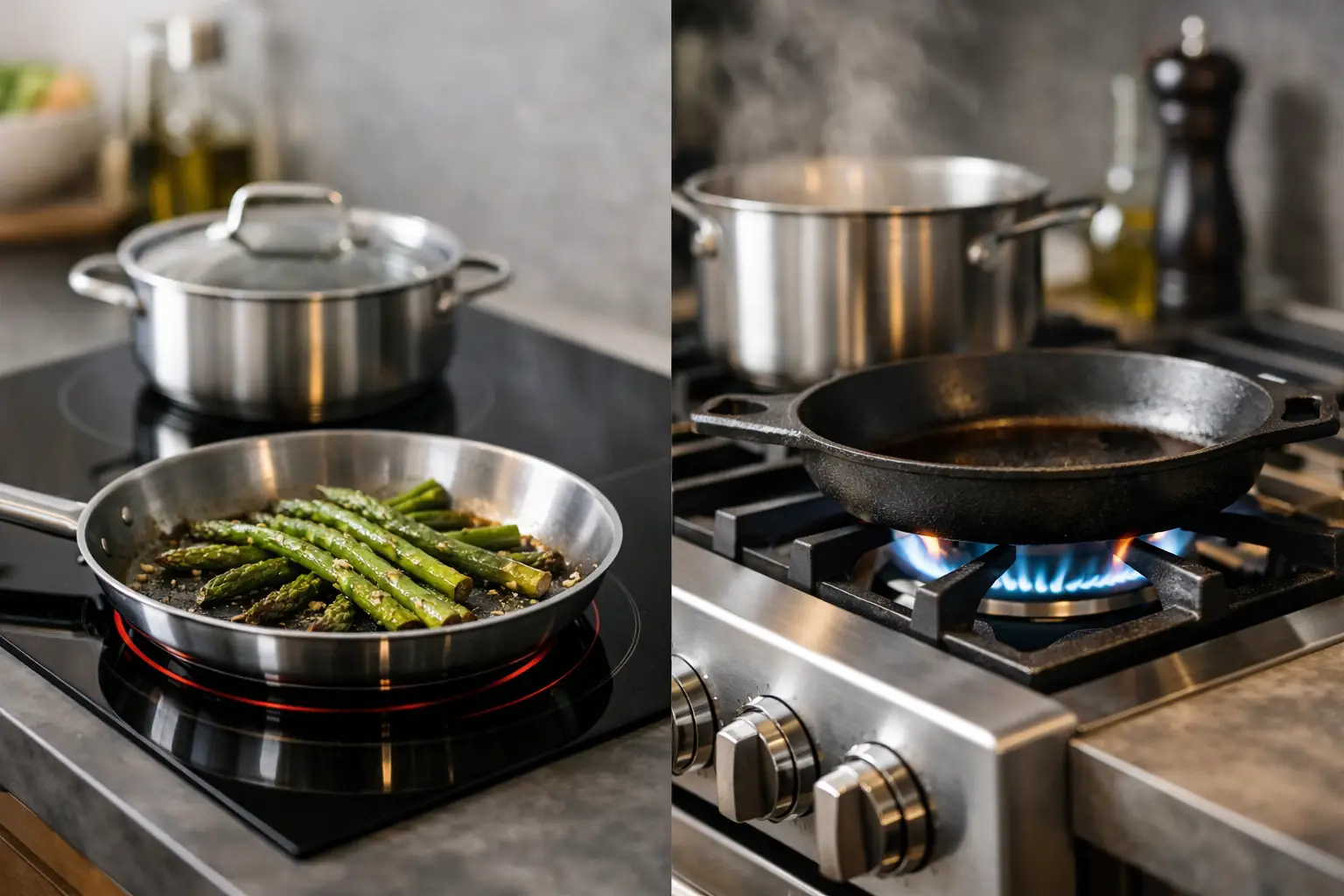
If you are planning a kitchen upgrade, the induction cooktop vs gas range decision shapes more than how dinner gets made. It affects the look of your space, the feel of daily cooking, your cleaning routine, and even how refined your kitchen feels at first glance. For shoppers building a home that balances performance with polished design, this is one of the most worthwhile appliance choices to get right.
Both options can deliver excellent results, but they create very different cooking experiences. Gas has long been associated with culinary tradition and visible flame control. Induction feels more modern, precise, and quietly luxurious. The better choice depends on how you cook, what your kitchen can support, and what kind of everyday experience you want from the space.
Induction cooktop vs gas range at a glance
The simplest way to think about it is this: gas range cooking is familiar, expressive, and versatile, while induction cooking is efficient, streamlined, and exceptionally clean. Gas uses an open flame to heat cookware. Induction uses electromagnetic energy to heat the pan directly, while the surface itself stays comparatively cool.
That difference changes almost everything. With gas, heat escapes into the air, your grates need regular scrubbing, and the room gets warmer during longer cooking sessions. With induction, heating is fast and focused, cleanup is easier, and the appliance tends to integrate beautifully into a more contemporary kitchen aesthetic.
For many design-conscious households, induction simply feels more elevated. For many passionate cooks, gas still feels instinctive. Neither is automatically better in every home.
Cooking performance: speed, precision, and feel
Performance is usually the deciding factor, and here the contrast is clear. Induction is typically faster. Water boils sooner, pans respond quickly to temperature changes, and less energy is lost around the cookware. If you want efficiency that fits busy weeknights and polished entertaining alike, induction has a strong advantage.
Precision is another standout benefit. Induction offers highly controlled heating, especially at lower temperatures where delicate tasks matter. Melting chocolate, simmering sauces, or holding a gentle heat often feels more exact and less fussy. Many premium buyers appreciate that kind of control because it supports both convenience and consistency.
Gas, however, offers a tactile experience many cooks still love. You can see the flame, adjust it instantly, and use a wide range of cookware without worrying about magnetic compatibility. For cooks who roast peppers over an open flame, use round-bottom pans with specialized accessories, or simply trust visual feedback, gas remains deeply appealing.
What often gets overlooked is that preference here is partly emotional. Some people cook better when they can see and feel the heat source. Others prefer the cleaner, more composed experience of induction. The best choice is not just about raw output. It is also about what feels natural at 7 p.m. on a Wednesday and what feels impressive when guests gather around the kitchen island.
Design impact and kitchen style
A beautiful kitchen is built on surfaces, lines, and visual calm. This is where induction often earns its premium appeal. A sleek glass surface looks minimal, modern, and intentional. It suits contemporary spaces especially well, whether the aesthetic leans warm and organic or crisp and architectural.
Gas ranges bring their own kind of luxury, especially in larger statement models with substantial grates, metal finishes, and professional styling. They can anchor a kitchen with a more classic or chef-inspired feel. If your vision includes a dramatic focal point, gas may support that better than a flush cooktop.
Still, for homeowners and renters who want a kitchen to appear more open, polished, and easy to maintain, induction has a visual advantage. It reads as refined without trying too hard. In a curated home, that matters.
Cleaning and daily upkeep
This is one of the least glamorous parts of the decision, but it has a huge effect on satisfaction over time. Induction is easier to clean. Because the surface is flat and spills are less likely to bake on from surrounding heat, a quick wipe often handles most messes. There are no grates to remove and no burner caps to detail.
Gas requires more maintenance. Grates collect grease, crumbs fall into harder-to-reach areas, and the cooking surface usually needs a more involved cleaning routine. None of this is unusual, but it does ask more of you.
If your goal is an elegant kitchen that stays looking polished with less effort, induction supports that lifestyle beautifully. It is the kind of upgrade that feels rewarding every single day, not just when you first install it.
Safety, comfort, and family use
Safety deserves a closer look, especially for households with children, pets, or a lot of kitchen traffic. Since induction does not rely on an open flame, many buyers feel more comfortable using it in active family spaces. The cooktop surface can still get warm from the hot pan, but the overall risk profile is different from gas.
Induction also tends to keep the kitchen cooler. That may not sound dramatic until you are cooking during summer or preparing several dishes at once. A room that stays more comfortable is easier to work in and more pleasant for entertaining.
Gas remains a trusted option, but it introduces open-flame considerations and combustion-related concerns that some buyers would rather avoid. For households focused on convenience, comfort, and a more controlled environment, induction can feel like the more forward-looking choice.
Cost, installation, and what your kitchen can support
The induction cooktop vs gas range choice is not only about features. It also depends on what your home is set up for. If you already have a gas line and love a traditional range, gas may be simpler and less expensive to install. If your kitchen is electric-ready or part of a larger renovation, induction becomes more attractive.
Upfront prices vary widely in both categories. Premium gas ranges can be expensive, and so can high-end induction models. Induction may also require compatible cookware, so if you have a collection of aluminum, copper, or non-magnetic stainless pieces, factor replacement costs into the decision.
On the other hand, induction is energy efficient and can offer long-term value through performance and ease of use. It is also increasingly desirable in modern remodels, which may matter if resale appeal is part of your thinking. Buyers looking for a kitchen that feels current often respond well to induction.
Cookware and compatibility
This is where gas is undeniably easier. Almost any cookware works on a gas range, provided it is stable and heat-safe. Induction requires magnetic cookware, so cast iron and many stainless steel pans usually work well, while some other materials will not.
That is not a deal-breaker for most shoppers, but it is worth checking before you commit. If you already own quality induction-compatible cookware, the transition is simple. If not, the upgrade may be an opportunity to curate a better-performing, better-looking set that matches the rest of your kitchen.
Who should choose induction, and who should choose gas?
Induction is ideal for shoppers who want a kitchen that feels modern, clean, and premium in both function and appearance. It suits busy households, design-led remodels, and cooks who value speed, precision, and easier maintenance. If your dream kitchen centers on sleek surfaces, smarter efficiency, and elevated daily convenience, induction is an exceptional fit.
Gas is often the better choice for cooks who want the familiarity of flame, broad cookware flexibility, and a more traditional culinary experience. It also makes sense when a home is already configured for gas and the style of the kitchen calls for a more classic or professional presence.
For many households, this is really a lifestyle decision disguised as an appliance purchase. The right answer comes from how you want the kitchen to feel when you use it, clean it, and live around it.
The best choice for a premium kitchen
In many upscale homes, induction is gaining momentum because it aligns so well with contemporary living. It offers a cleaner silhouette, strong performance, and a more composed everyday experience. That combination feels especially compelling for shoppers who see the kitchen as both a working space and a design statement.
Gas still has enduring strengths, and for some cooks it will always feel more intuitive and expressive. But if you are choosing with equal weight given to aesthetics, comfort, convenience, and modern performance, induction often comes out ahead.
The smartest kitchen upgrades are the ones that keep rewarding you long after installation day. Choose the option that fits your habits, complements your space, and makes every meal feel a little more considered.













Leave a comment