Modular Sectional Sofa Buying Guide
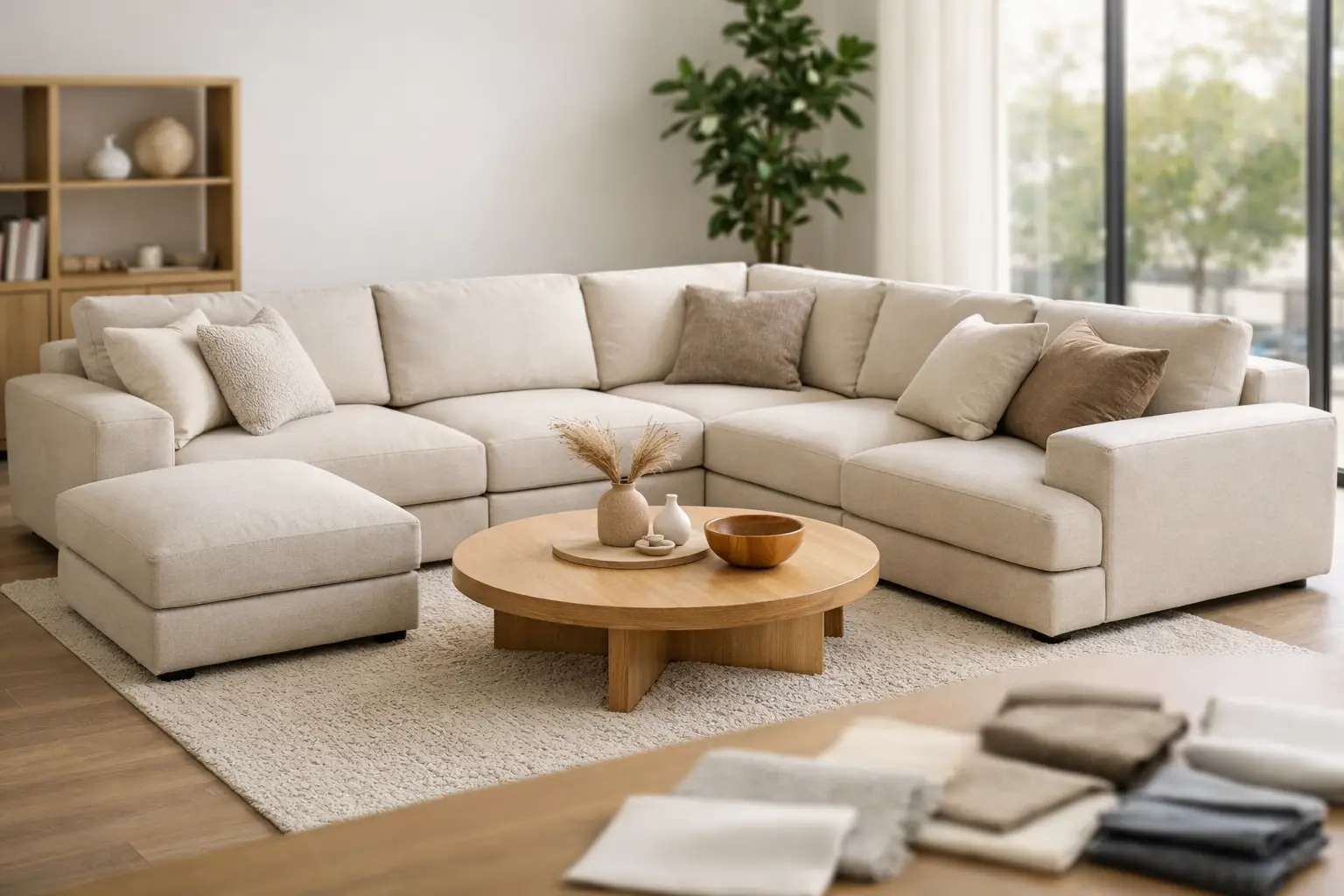
A living room usually tells on itself within seconds. If the seating feels cramped, awkward, or oversized for the room, everything else has to work harder. That is exactly why a modular sectional sofa has become such a smart choice for design-conscious homes. It offers the kind of flexibility traditional sofas rarely match, while still delivering the polished, inviting look people want from a premium space.
For shoppers who care about both comfort and presentation, modular seating hits a rare balance. It can adapt to a downtown apartment, a growing family room, or a media space that needs to feel relaxed without looking casual in the wrong way. The appeal is not just that it comes in pieces. The real value is that those pieces give you more control over how your home functions and how it feels day to day.
Why a modular sectional sofa stands out
A standard sofa asks you to work around its shape. A modular sectional sofa does the opposite. It lets the room, your habits, and your style preferences lead the decision.
That matters more than many buyers expect. Homes change. People move, renovate, host more often, add pets, welcome children, or simply want a layout that feels fresher. A modular design can keep up without forcing a full furniture reset every time your routine shifts.
There is also a visual advantage. Sectionals used to feel bulky by default, but newer modular silhouettes are more refined. Clean lines, tailored upholstery, low-profile frames, and thoughtfully scaled cushions can make a larger seating arrangement feel elevated rather than heavy. In the right finish, a sectional becomes the anchor of the room instead of the item you try to soften with decor.
How to choose the right modular sectional sofa
The best purchase starts with proportion, not color. Many shoppers fall in love with a fabric or shape before measuring the room properly, and that is where expensive mistakes happen.
Start with your available footprint, but do not stop there. Think about circulation. You want enough room to move around the sectional comfortably, open nearby doors, and keep the room from feeling pinned down. In smaller spaces, a modular design with slimmer arms and a raised leg can help preserve an open look. In a larger room, deeper seats and wider modules can create the kind of lounge-worthy comfort that makes the space feel intentional rather than empty.
Use your daily habits as the second filter. If this is the main gathering spot for movie nights, napping, and weekend lounging, prioritize deeper seating and softer cushion construction. If the room is more for conversation or entertaining, a slightly more upright sit may feel better over time. Neither is universally better. It depends on whether you want sink-in comfort or a more tailored seating experience.
Configuration matters just as much. Some people need a chaise for stretching out. Others get more use from a corner configuration that seats more guests. In open-concept homes, modular pieces can also help define zones without walls. That can be especially useful if your living area flows into a dining space or kitchen and you want structure without sacrificing openness.
Think beyond the first layout
One of the strongest selling points of a modular design is the ability to reconfigure. But not every modular sofa is equally flexible.
Some are truly adaptable, with armless chairs, corners, ottomans, and end pieces that can be rearranged as your room changes. Others are technically modular but function more like a fixed sectional that only comes in separate pieces for delivery. If flexibility is part of the reason you are buying, pay close attention to how many configurations the design actually supports.
This is especially worthwhile for renters, frequent movers, and anyone furnishing a home that may evolve over the next few years. A sofa that can shift from an L-shape to a more symmetrical arrangement can save money and spare you the frustration of replacing a major piece just because your next layout is different.
Materials that feel as premium as they look
A beautiful silhouette can lose its appeal quickly if the upholstery does not suit real life. Fabric choice should always reflect both aesthetics and use.
Performance fabrics are a strong choice for busy households because they help resist stains and everyday wear while still looking refined. That makes them appealing for families, pet owners, and anyone who actually uses the living room instead of treating it like a showroom. Textured weaves can add dimension and softness, while velvet offers a more dramatic, elevated finish if the room leans more formal.
Leather has a different kind of luxury. It ages with character, cleans relatively easily, and can make a room feel richer with less styling effort. The trade-off is that it may show scratches more readily, and the seating feel can be firmer depending on the construction. If you love a sleek, tailored look, leather can be exceptional. If you prefer a softer, cozier atmosphere, fabric may feel more approachable.
Cushion fill deserves attention too. Feather blends often create that relaxed, designer look, but they usually need more fluffing. High-density foam offers more structure and easier maintenance, though the sit can feel firmer. Again, it depends on what you value more: a plush lounge effect or a cleaner, more consistent shape.
Design details that change the whole room
The right sectional should do more than provide seating. It should elevate the room around it.
Color is the obvious decision, but shape often has more impact. A modular sectional sofa with wide track arms and crisp lines feels modern and architectural. Softer curves and rounded corners create a gentler, more relaxed mood. Low backs can feel sophisticated and open, while taller backs may offer more support for long sitting sessions.
Neutral tones remain popular for good reason. Cream, taupe, gray, camel, and warm ivory create a versatile foundation that works across trends. They also allow lighting, rugs, accent chairs, and pillows to shift the mood seasonally without forcing a major redesign. That said, a deeper charcoal, olive, or rich brown sectional can look especially striking in rooms that need contrast and depth.
If your goal is a truly curated look, pay attention to how the sectional interacts with nearby materials. Wood coffee tables, metal lighting, stone surfaces, and layered textiles all influence whether the sofa reads casual, contemporary, or quietly luxurious.
When a modular sectional sofa is worth the investment
A sectional is usually one of the largest and most visible purchases in a home. It should earn its place.
A modular sectional sofa tends to justify a higher price when it offers lasting quality in the areas that matter most: frame construction, upholstery durability, cushion performance, and configuration flexibility. Kiln-dried hardwood frames, resilient support systems, and tailored upholstery details often make the difference between a piece that keeps its presence and one that starts looking tired too soon.
This is where premium shopping becomes practical, not just aesthetic. Better craftsmanship often means better comfort retention, cleaner seams, stronger joinery, and a more polished finish overall. In a piece you use every day, those details are not minor.
There is also value in buying for your real lifestyle rather than an idealized one. If you host often, have children, or want a living room that feels effortlessly inviting, investing in a sectional that supports that rhythm makes sense. If your space is very small or your seating needs are highly temporary, a simpler sofa may be enough. The best choice is the one that suits the way you actually live.
Styling a sectional so it feels elevated
Large seating can overwhelm a room if the styling around it feels flat. The solution is not to add more for the sake of it. It is to create balance.
Anchor the sectional with a rug large enough to hold the arrangement together. A too-small rug can make even a premium sofa look disconnected. Add a coffee table with enough visual weight to stand up to the scale of the seating, then layer in texture through pillows and throws with restraint. A few considered accents usually look more expensive than a crowded setup.
Lighting helps as well. Floor lamps, table lamps, and soft ambient sources make a sectional feel inviting at night and keep the room from turning into one oversized block of upholstery. In a well-styled space, the sofa becomes the centerpiece without feeling dominant.
For shoppers looking to create a home that feels refined, comfortable, and highly livable, a modular sectional sofa remains one of the most versatile choices available. It offers flexibility without compromising style and comfort without giving up sophistication. Choose one with the same care you would bring to any statement piece, and it can shape the room beautifully for years to come.









Leave a comment